在这个时候给陛下添乱 先生不必自责
“and trouble His Majesty at such a time. Please don't blame yourself.”
THE DIALOGUE REEL
“Otherwise, I wouldn't have asked Li to deliver a message”
在这 个时候给陛下 添乱 先生 不必自责
“and trouble His Majesty at such a time. Please don't blame yourself.”
这是宫中的萧太医
“This is Physician Xiao from the palace.”
Direct spoken expression in this communicative setting.
In Confucian decorum, subordinating one's personal illness to imperial state affairs is considered proper modesty, prompting the other party to graciously ease their guilt.
LEARNING CHUNKS & PARTICLES
to add trouble; to cause inconvenience
A common modest phrase used when acknowledging that one's urgent personal needs might disrupt someone else's critical work or state affairs.
no need to blame oneself
A polite and consoling expression used to release someone from unnecessary guilt or self-reproach.
VOCABULARY & EXPRESSIONS
Parallel Spoken Cinema Scenes (语义近邻切片)

“Bringing her to Shanghai has caused you so much trouble. It's no trouble at all.”

“If you tell him now, you'll just make things worse.”

“(She may cause trouble sometimes.) (But in the end, I have to count on her.)”
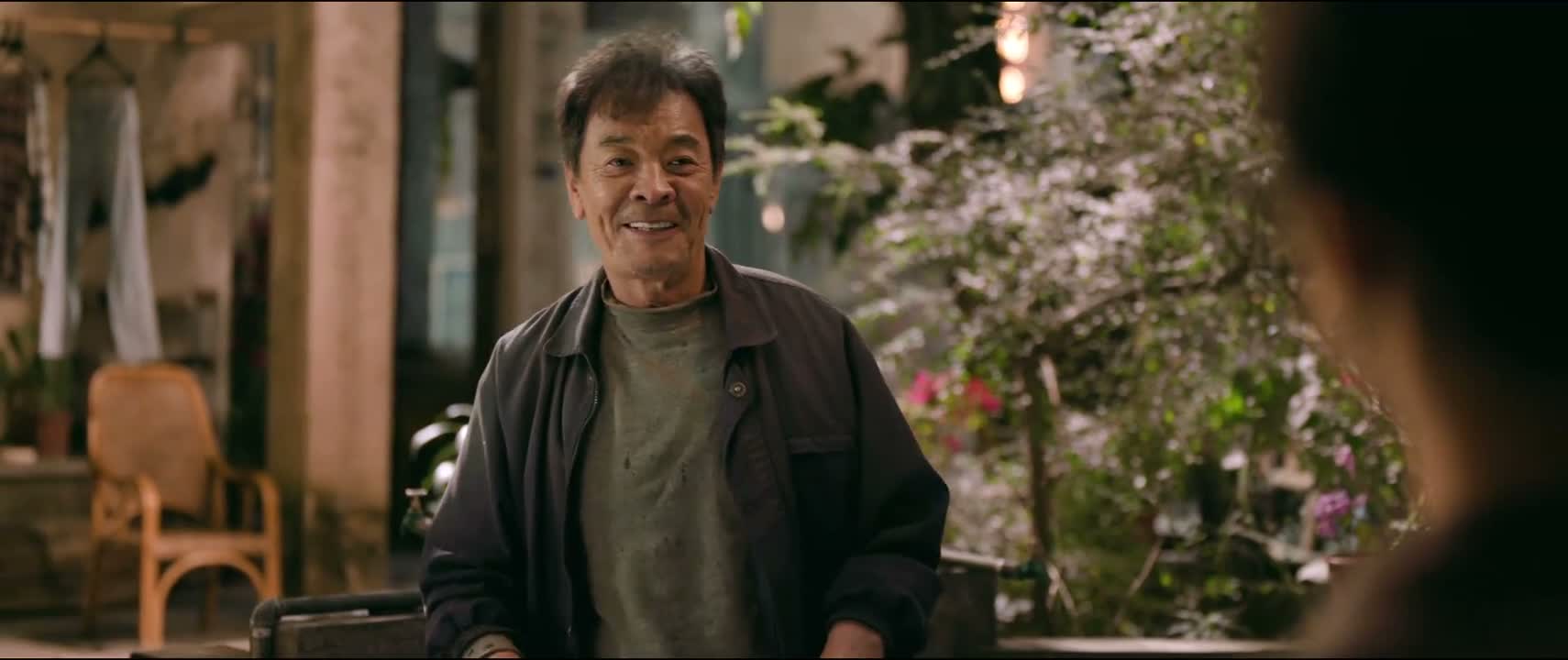
“Sorry for all the trouble.”

“what if you got flustered, caused more trouble, and slowed things down?”
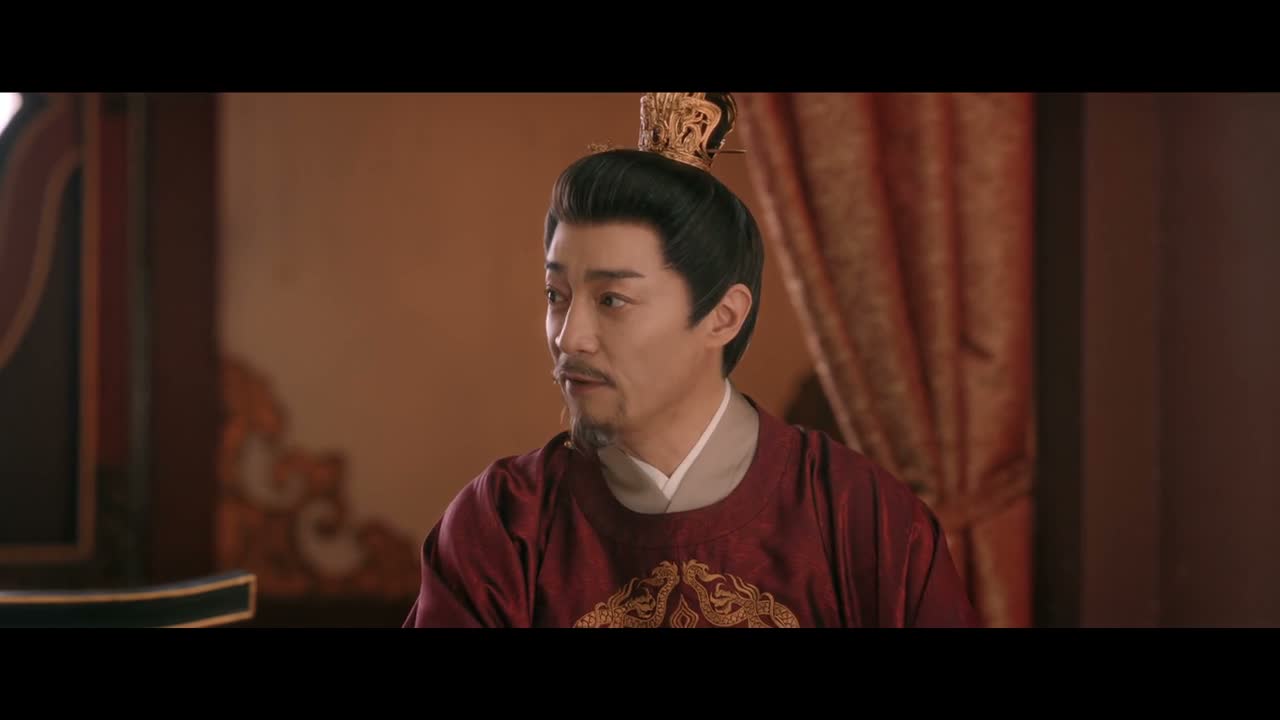
“Your intervention might do more harm than good.”