是不是谈恋爱了
“Are you seeing someone?”
THE DIALOGUE REEL
谢秩 你这么久没回来
“Xiezhi, it's been so long since you visited.”
是不是 谈恋爱 了
“Are you seeing someone?”
“The court has been buried in work. There's no time for dating, Grandpa.”
“You've been gone so long—are you hiding a romance from me?”
In Chinese family culture, elders frequently and directly probe adult children and grandchildren about romance as an expression of affection, care, and family continuity.
LEARNING CHUNKS & PARTICLES
is it true that; could it be that
Commonly placed at the beginning of a clause to make an educated guess or to tease someone about suspected news.
to date; to be in a romantic relationship
The standard colloquial expression across Chinese communities for romantic dating.
Marks a change of state, indicating entering into a relationship.
VOCABULARY & EXPRESSIONS
Parallel Spoken Cinema Scenes (语义近邻切片)

“we are in love, just having fun together.”

“This is my first relationship. It hasn't even lasted a month.”

“with Wang Defa?”

“That doesn't mean you two are in love.”

“Have you been secretly seeing someone?”

“It's boring to fall in love.”

“Besides, if I'm in love, I will definitely tell you.”

“Isn't this about teaching people to date?”

“are not looking for love.”

“should I go into a relationship?”

“I don't want to be a big sister when I'm dating.”

“So you'd rather work than date me. No.”
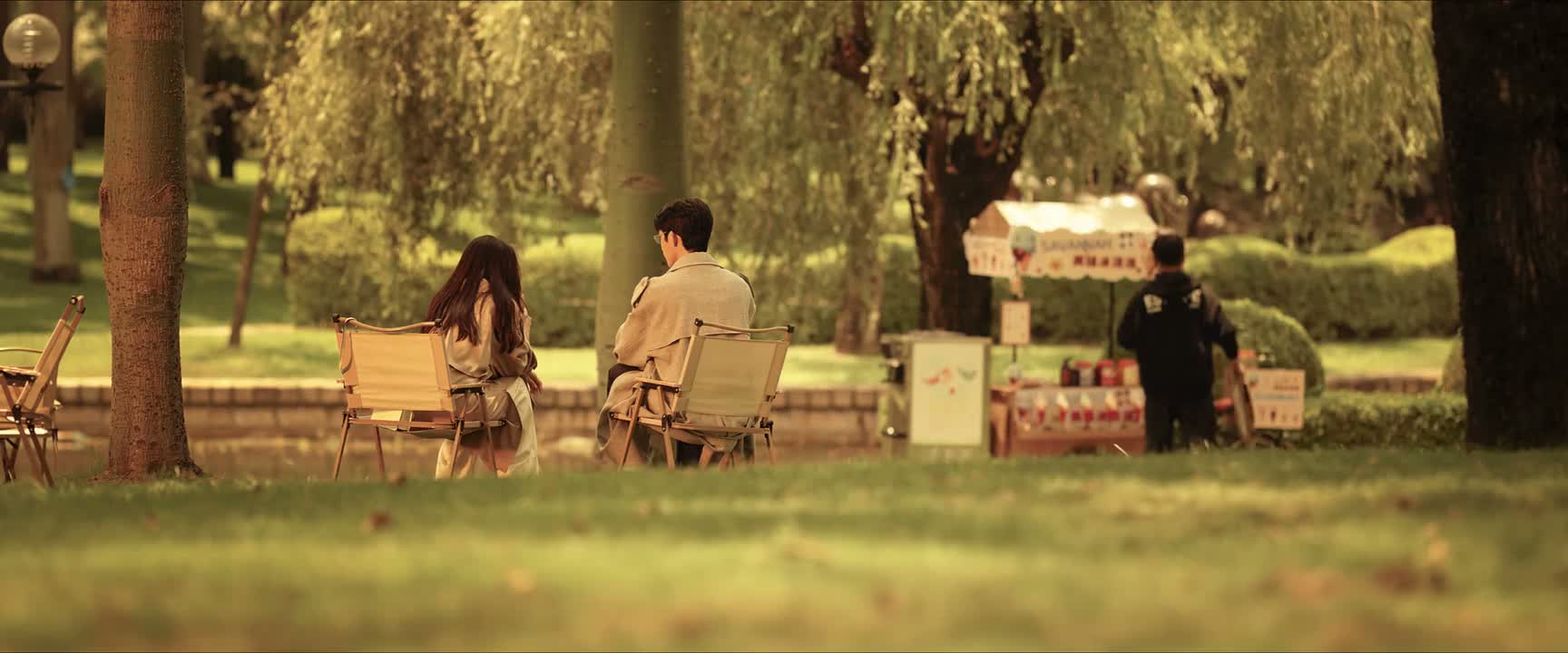
“I don't have much confidence in dating because I've failed before. [Zhou Jin and Jiang Hansheng's second date]”
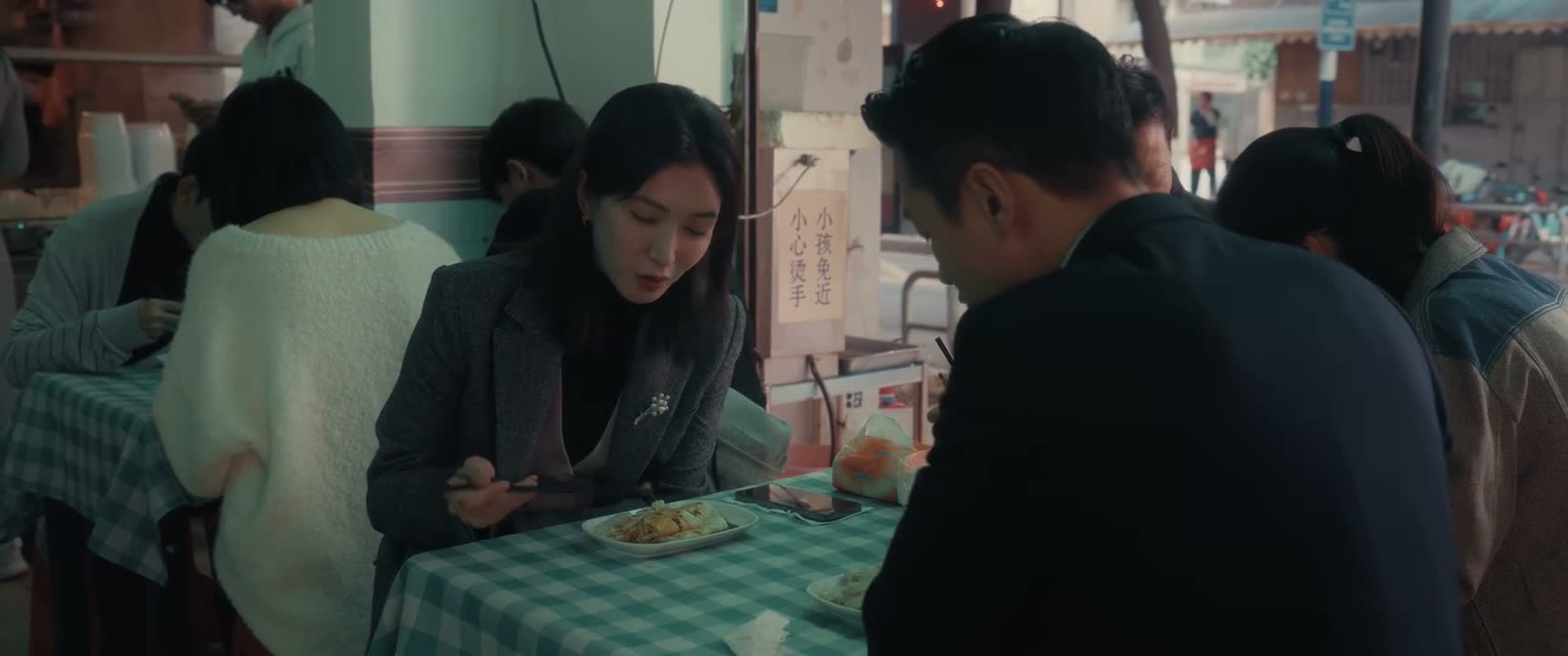
“Actually, you're right. I had a boyfriend for quite a while.”

“Only lovers care about appropriateness.”

“I don't want to date.”
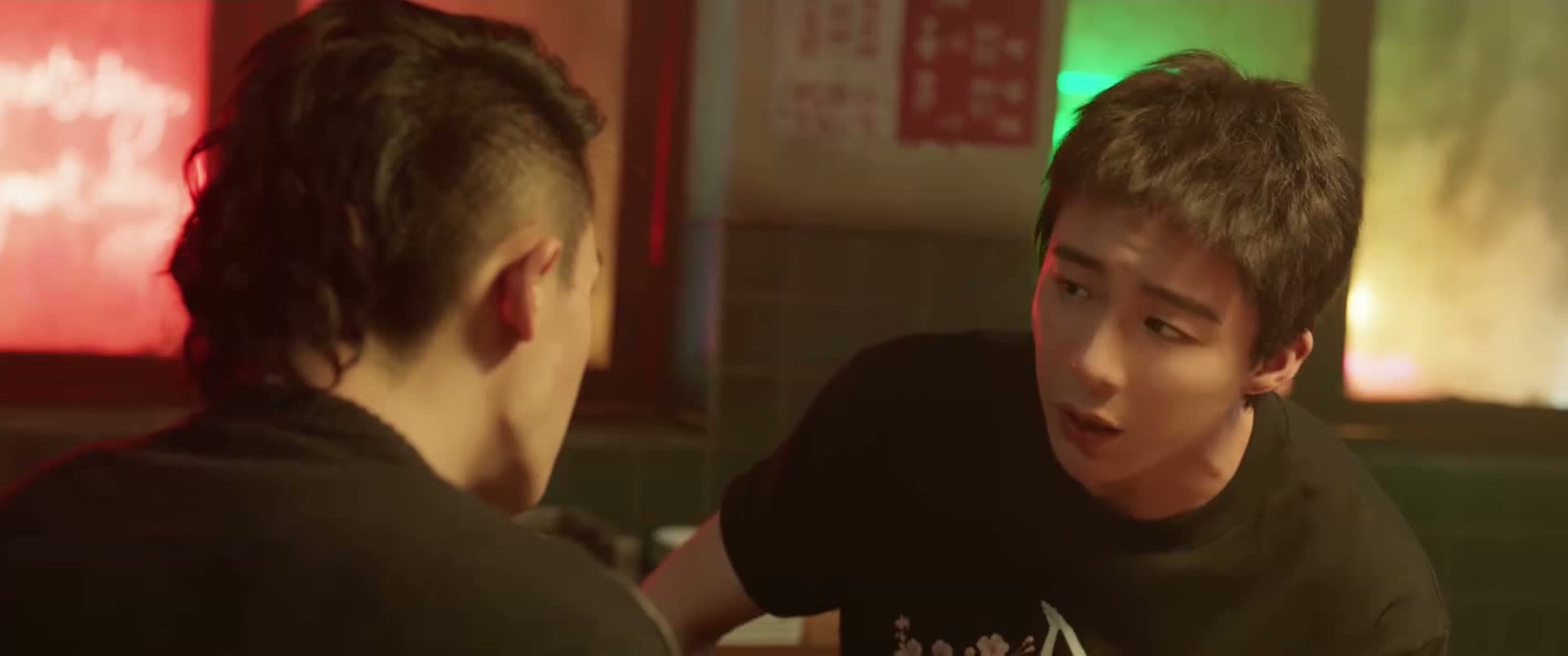
“No one forced you to date or marry her, right?”
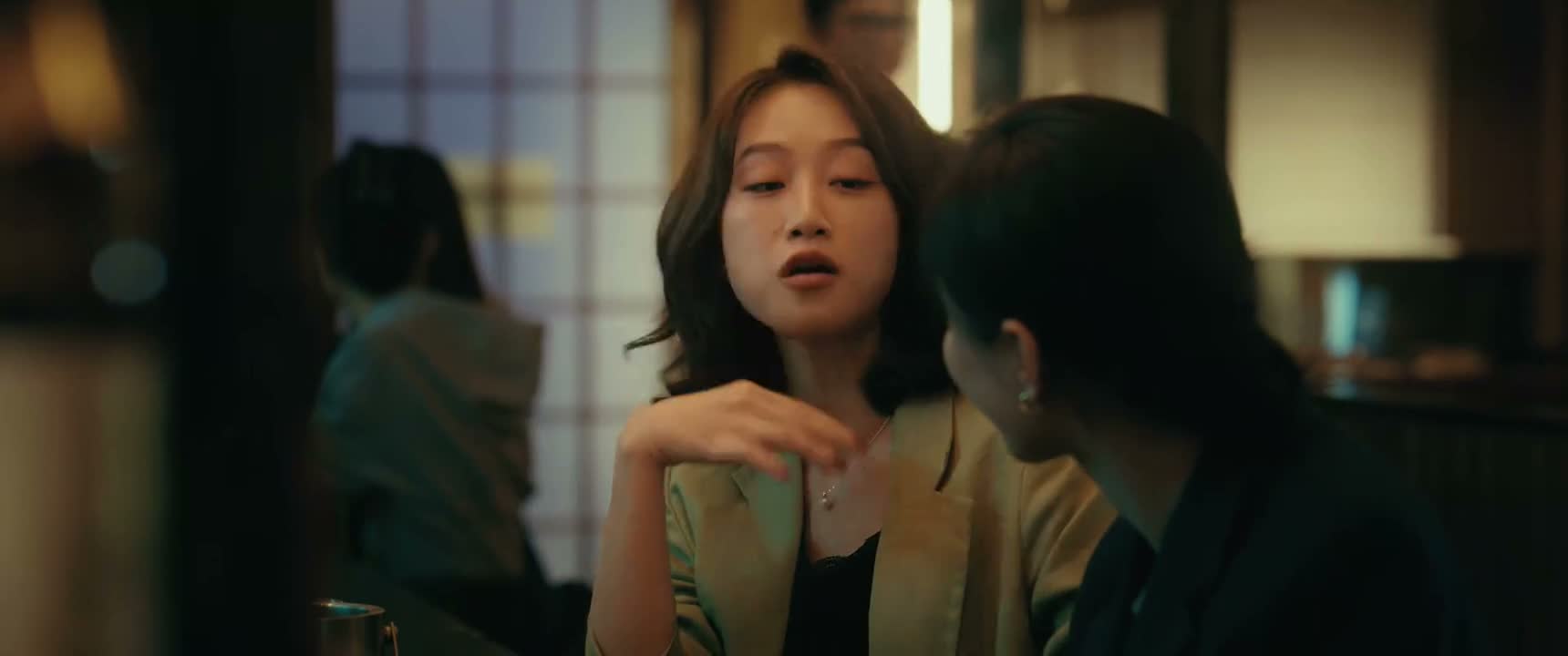
“Dating without talking about the future.”

“If he were dating, I'd know about it.”
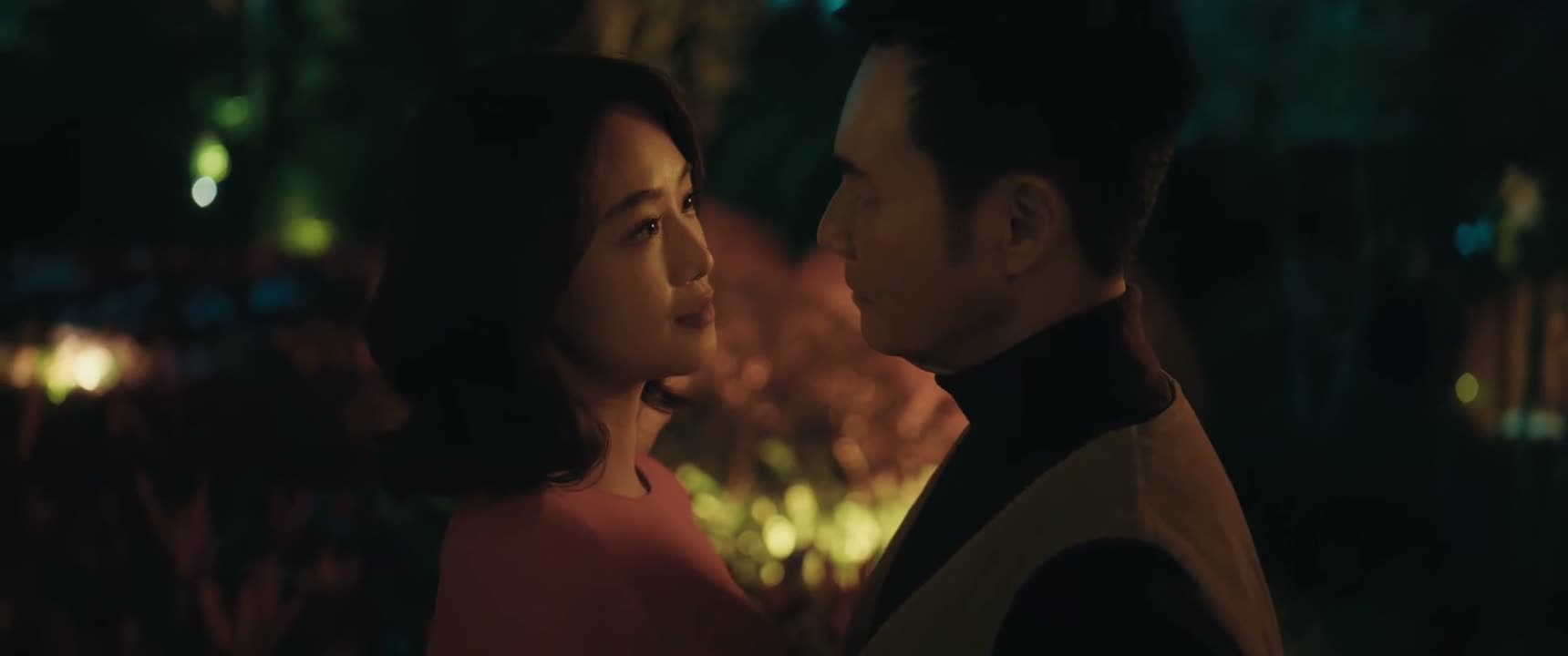
“then let's be in relationship, okay?”
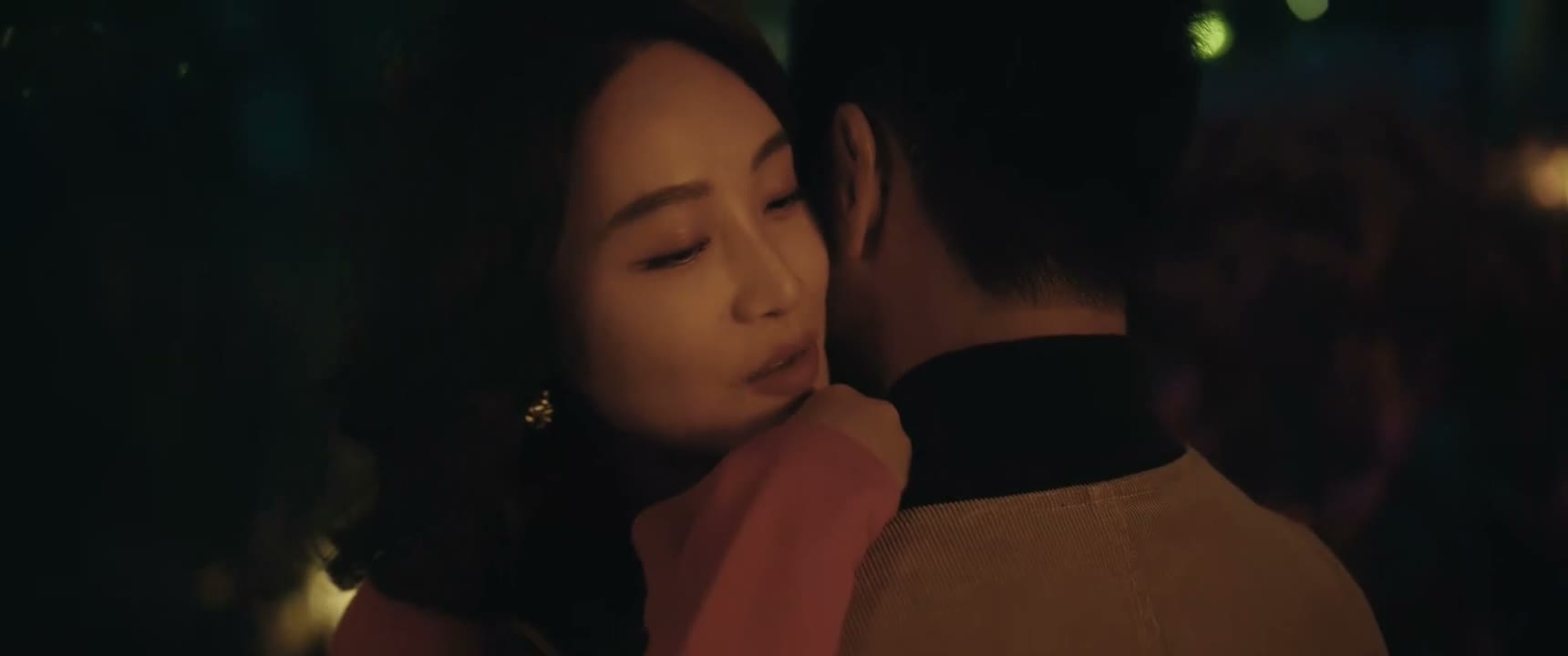
“I know this relationship might not end well.”

“I don't want dating to turn into living.”
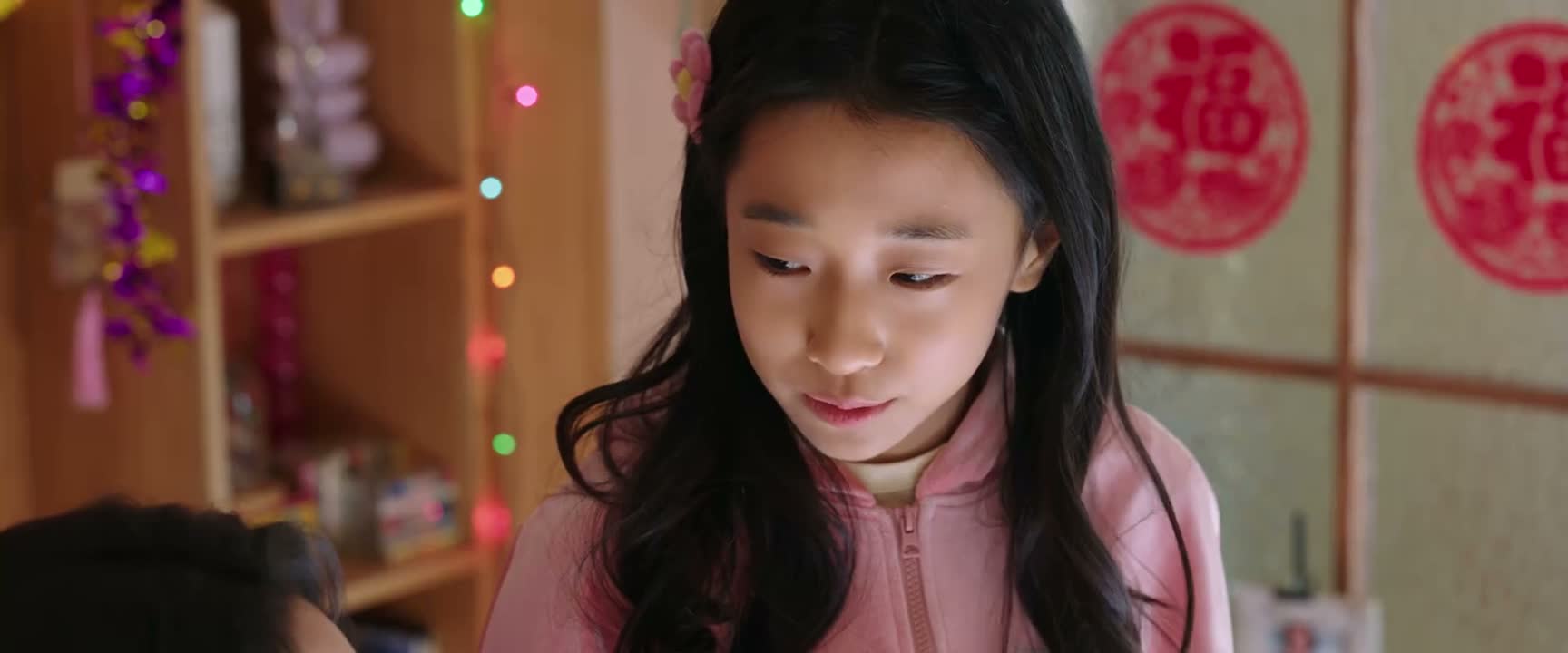
“Are you dating someone again?”

“Are you in love? As if!”

“The reason I don't date is for the other person's sake.”

“we are together now?”