这个也忘了 这个傻小子
“How can he forget that? Silly boy.”
THE DIALOGUE REEL
去拿呀
“Go get it!”
这个 也 忘了 这个 傻小子
“How can he forget that? Silly boy.”
给 姐
“Here, Ju.”
“You are so scatterbrained, but I'm just fond of you.”
In Chinese family culture, calling younger relatives silly or foolish often conveys deep warmth, intimacy, and protective affection.
LEARNING CHUNKS & PARTICLES
silly boy / foolish kid
A colloquial term of endearment used by elders or older sisters towards younger boys, showing fond familiarity.
VOCABULARY & EXPRESSIONS
Parallel Spoken Cinema Scenes (语义近邻切片)

“Silly girl, you forgot? We run a butcher business. I'm sick of pork. You're so thin. Eat more.”

“any idiot could tell there was a problem.”

“You have a good memory.”

“Right, I almost forgot. I have something here for you to take a look at.”

“No fool will believe in this.”
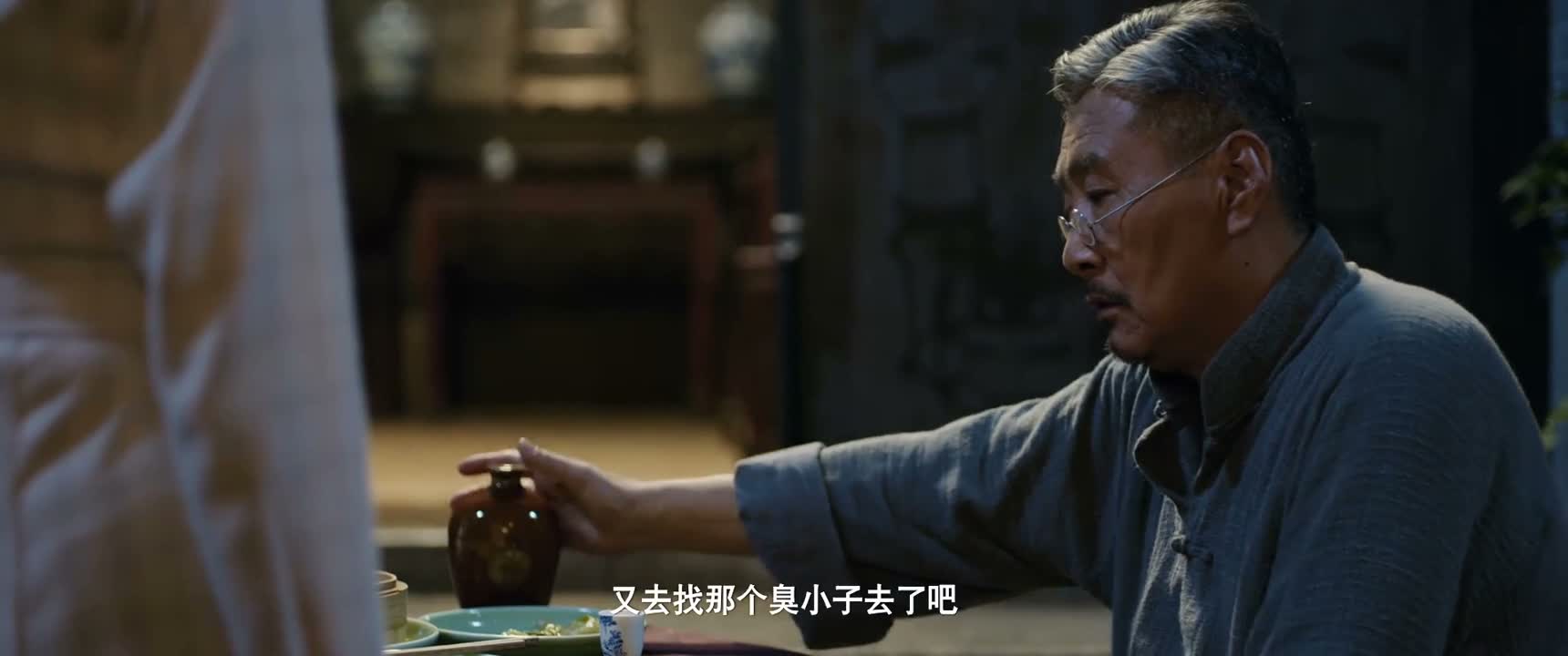
“You went to find that brat again, didn't you?”