是不是觉得舅给你丢脸了
“Did I embarrass you?”
THE DIALOGUE REEL
是不是觉得 舅 给你 丢脸 了
“Did I embarrass you?”
让同学嘲笑你了
“Did your classmates laugh at you?”
“I know I look poor or uncouth, and I'm worried you feel embarrassed to have me as your uncle.”
In Chinese culture, personal social standing and dignity are deeply tied to family members; an unrefined relative can cause intense perceived loss of face in public peer settings.
LEARNING CHUNKS & PARTICLES
to lose face / to be humiliated
Common everyday idiom for feeling publicly embarrassed or disgraced.
to cause someone to lose face / bring embarrassment upon someone
Standard pattern used when someone's behavior or status negatively reflects upon a relative or associate.
Indicates a completed change of state or realized perception of having lost face.
VOCABULARY & EXPRESSIONS
Parallel Spoken Cinema Scenes (语义近邻切片)

“Tell me. I'll stand up for you.”

“Only then can we give your aunt an explanation.”

“Tell me why you stay quiet.”

“What about you and my uncle?”
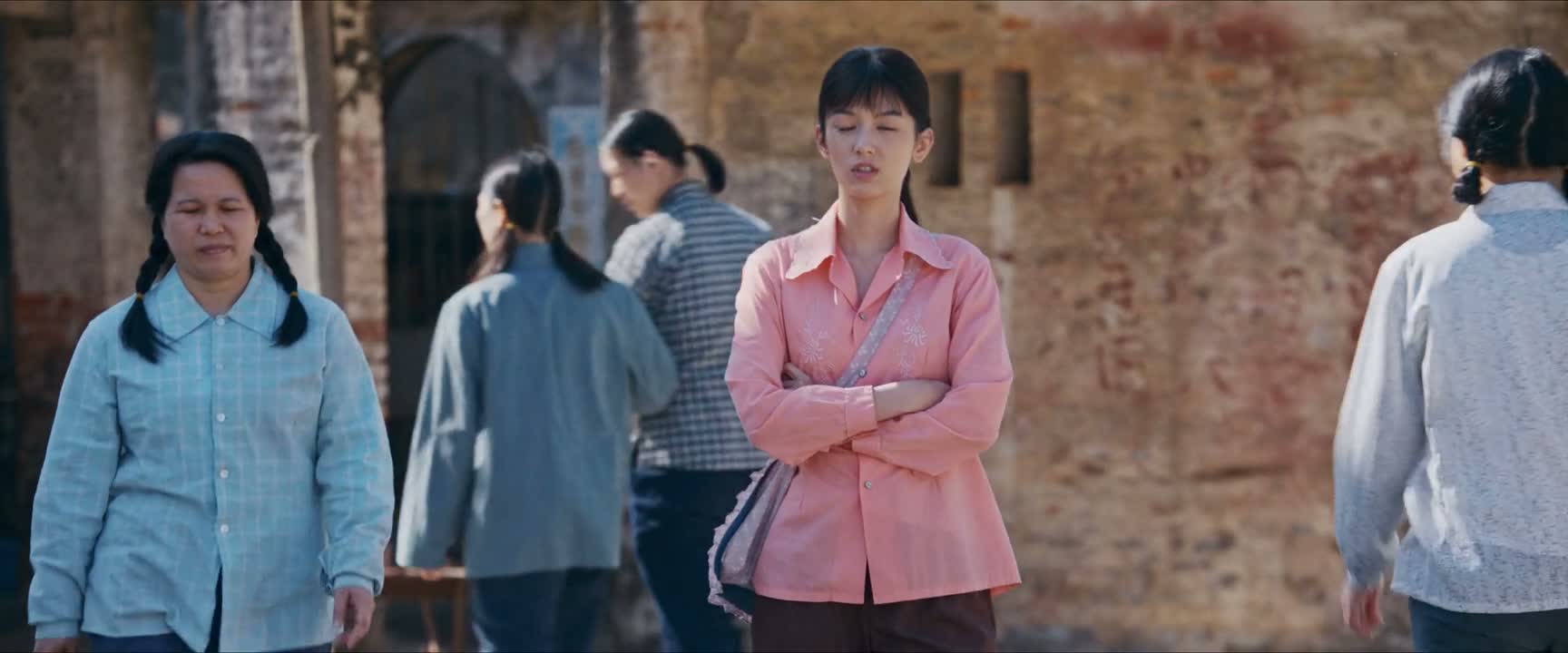
“Something's not right about this uncle.”
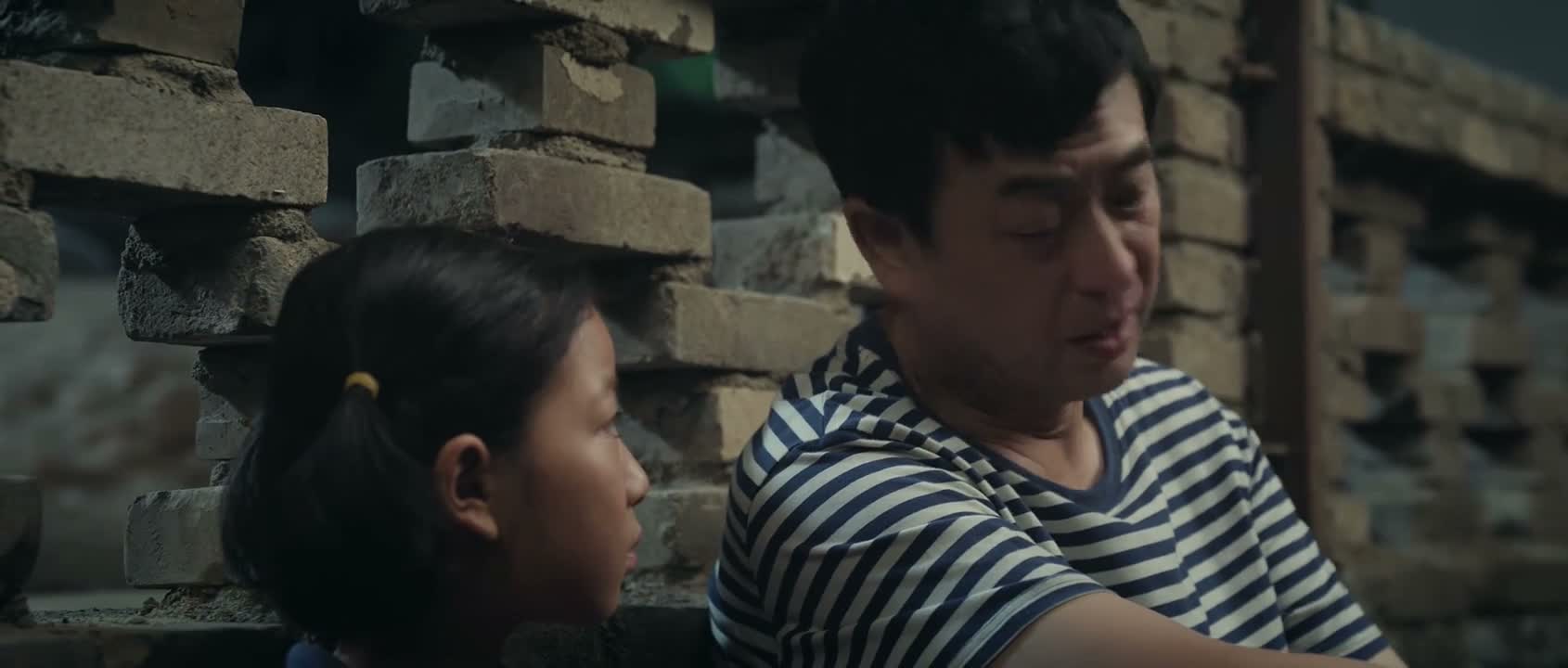
“But deep down, I made a vow.”