长成大姑娘了
“you've grown up so much.”
THE DIALOGUE REEL
来弟啊
“Laidi,”
长成大姑娘 了
“you've grown up so much.”
楚嘉禾
“Chu Jiahe.”
Direct spoken expression in this communicative setting.
In Chinese culture, commenting '长成大姑娘了' is a classic, deeply affectionate greeting from elders upon reuniting with young female relatives or neighbors after years apart.
LEARNING CHUNKS & PARTICLES
to grow into / develop into
Combines the verb '长' (grow) with the resultative marker '成' (become), used to describe physical or maturation changes.
young adult woman / grown girl
A traditional, affectionate colloquial term used especially by elders to refer to an unmarried young woman who has reached adulthood.
Indicates a new state or substantial maturation over time.
VOCABULARY & EXPRESSIONS
Parallel Spoken Cinema Scenes (语义近邻切片)

“It's been so many years since I saw you last time. Now you've become a grown-up woman.”

“You're all grown up now.”

“Like a bride on her wedding day, there's a first time for everything.”

“when I met her. Just like that, she's grown up.”

“A pretty young girl. Very good-looking.”

“Besides having Miss Li, she even had twins”

“With only you and Li Xianhuai, how could that possibly work? My Lady.”
“He dresses better than the girls.”

“The eldest miss is loaded.”

“My dear daughter. You'll be all better soon.”

“You can only get married when you grow up.”

“And look at you now, all grown up.”

“so that you are aware, My Lady.”
“your daughter gets more beautiful.”
“She has grown into a beautiful young lady.”
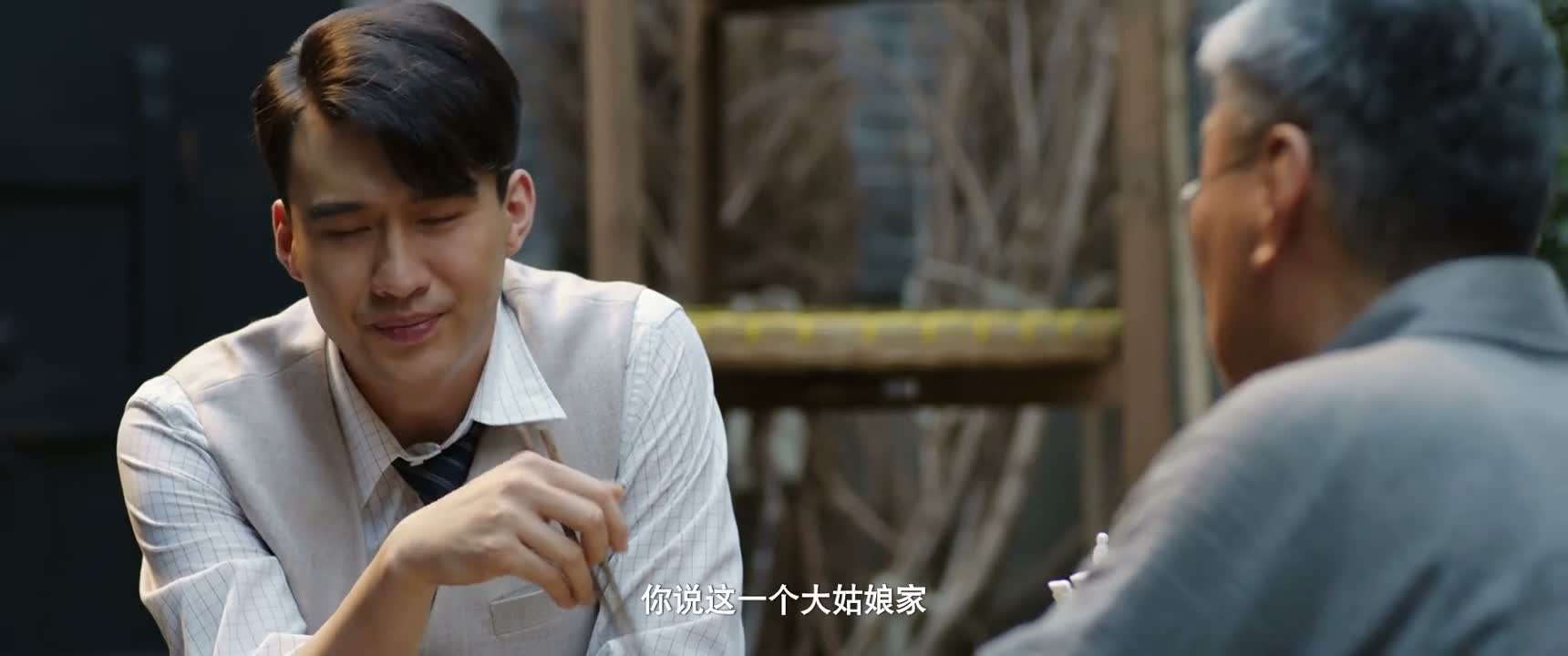
“You know, for a young unmarried woman...”