你看你 你还像个当儿子的样子不
“Look at yourself. Is this how a son should act?”
THE DIALOGUE REEL
为了这个戏子 跟我大喊大叫的 不许你叫她戏子
“All for that performer. And he yelled at me. Don't you call her that!”
你看你 你还像个当 儿子 的样子不
“Look at yourself. Is this how a son should act?”
“Dad only wants what's best for you.”
“You are acting completely ungrateful and disrespectful towards your father.”
In Chinese culture, a child is expected to show deference to their parents; questioning whether someone 'looks like a son' invokes deep moral guilt regarding family hierarchy.
LEARNING CHUNKS & PARTICLES
look at yourself; look at what you've done
An informal opener used to express exasperation, disapproval, or blame toward the listener.
act like a proper...; look like what a... should be
Used to judge whether someone's conduct conforms to their social or family role.
Placed at the end of the sentence to form an accusatory tag question, emphasizing the speaker's disbelief and condemnation.
VOCABULARY & EXPRESSIONS
Parallel Spoken Cinema Scenes (语义近邻切片)

“Do you think you are qualified to be a father now?”

“Tell me what else do you want?”
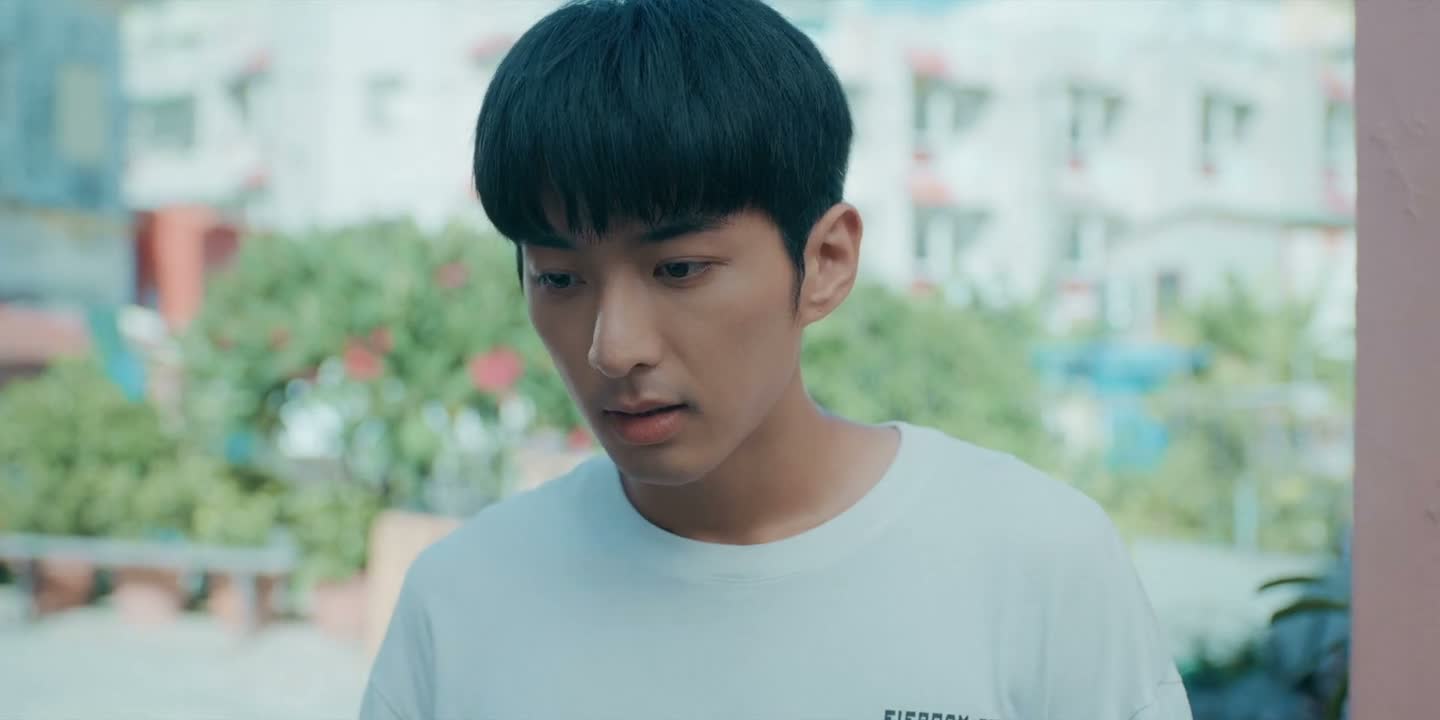
“Instead, you said you were my son.”
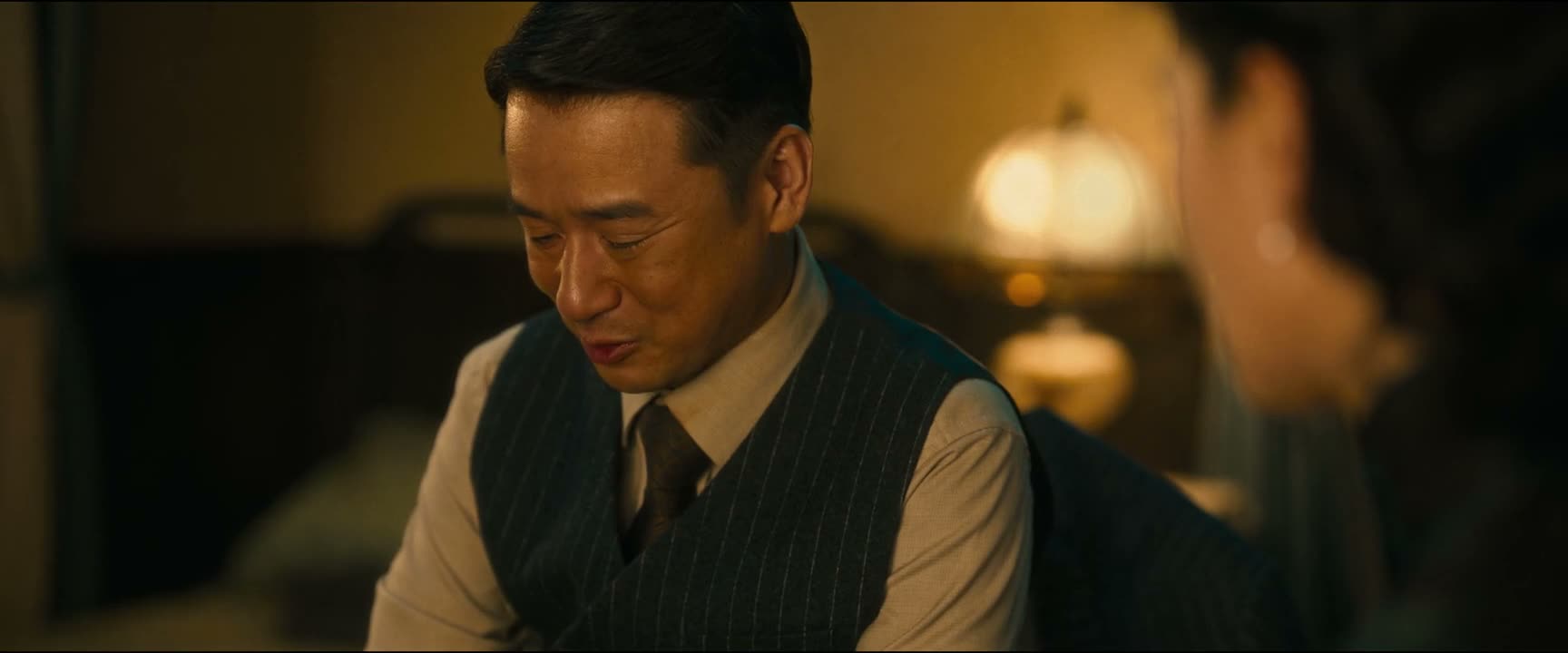
“you treated me as your son.”
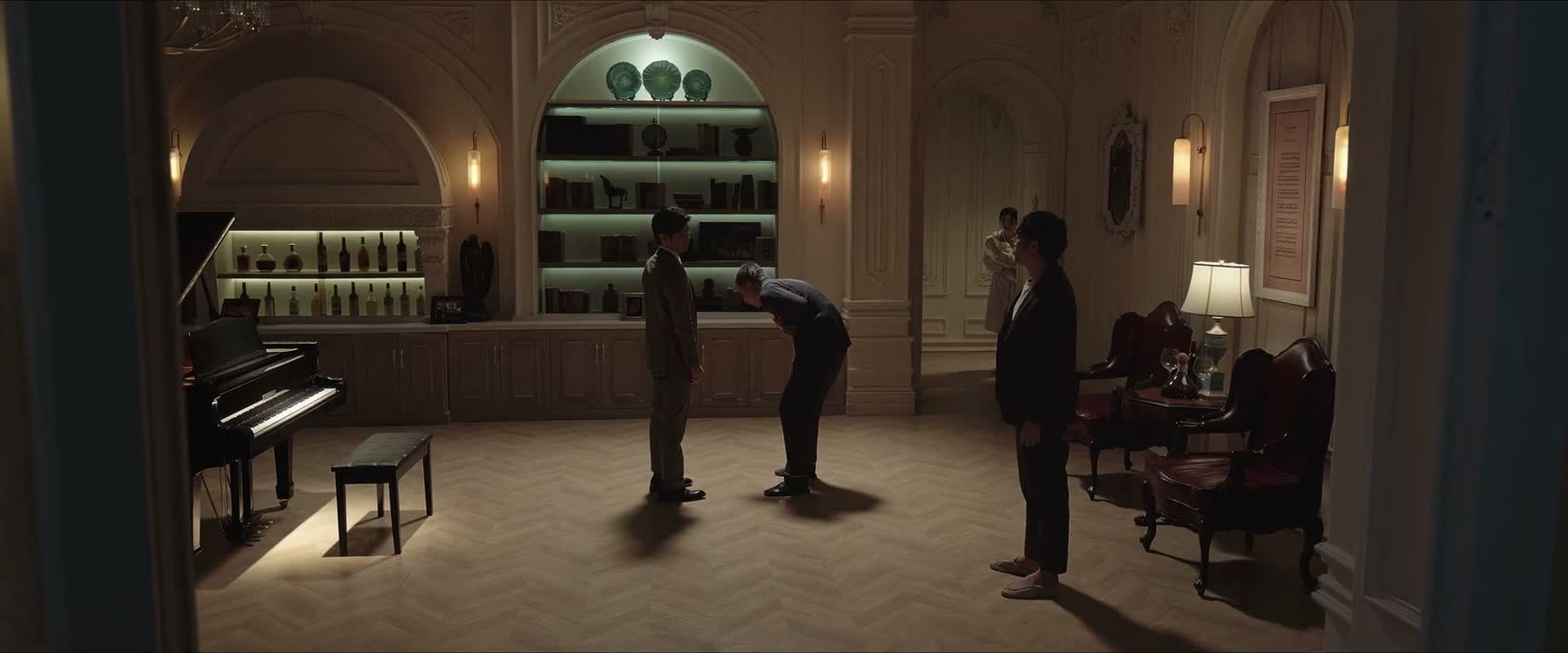
“But your other son is still around.”
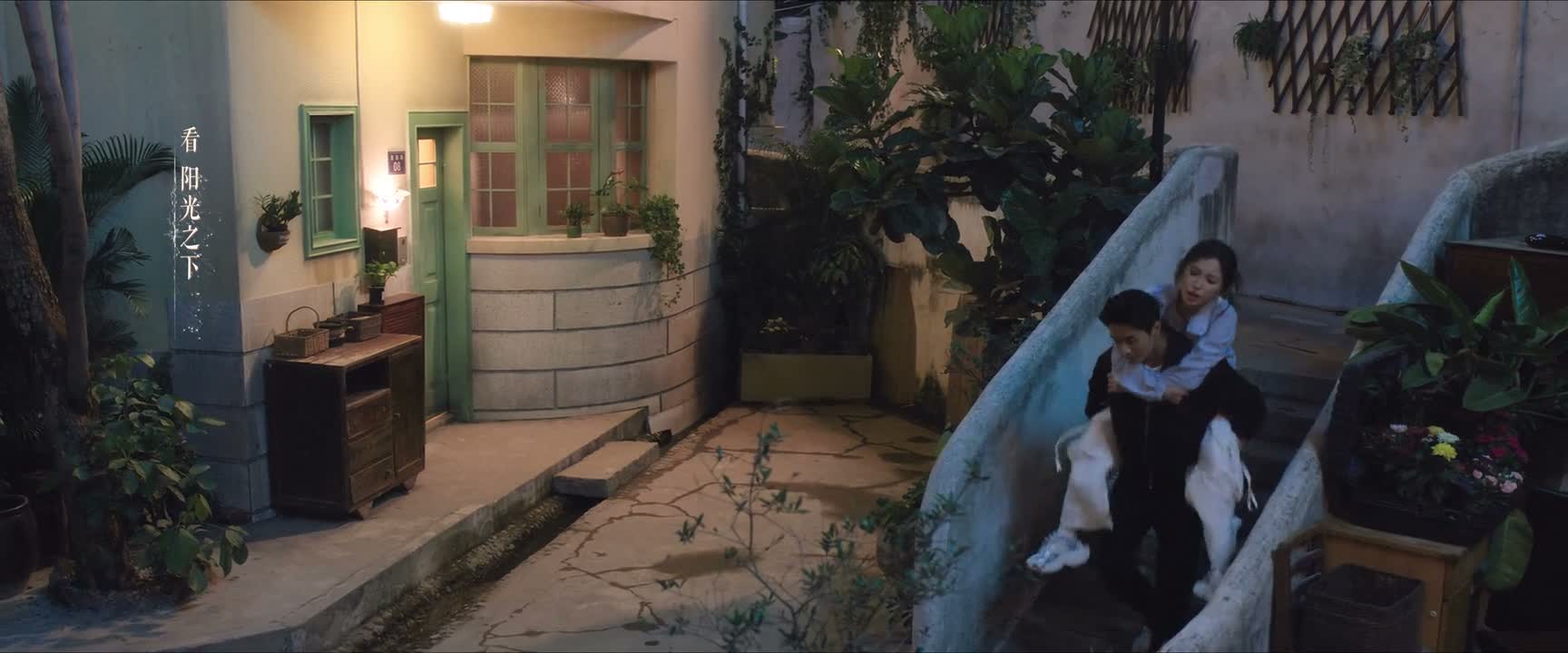
“♪ Look, beneath the sunlight ♪ You're making fun of me at a time like this? ♪ In the dancing specks of dust ♪”