你应该认识了吧?
“you should recognize it.”
THE DIALOGUE REEL
说到这里
“Now that I've said this much,”
你应该 认识 了吧 ?
“you should recognize it.”
好
“Fine.”
Direct spoken expression in this communicative setting.
Chinese speakers often soften assessments with '吧' to avoid sounding overly strict or demanding when testing someone's understanding.
LEARNING CHUNKS & PARTICLES
speaking of which / having said this much
A transitional marker used to summarize a preceding point before moving to the next stage or checking progress.
ought to recognize/know by now
Used to express an assumption about someone's current state of knowledge or recognition.
Softens the assumption into an inviting confirmation-seeking question.
Denotes an acquired state of knowing or recognizing.
VOCABULARY & EXPRESSIONS
Parallel Spoken Cinema Scenes (语义近邻切片)

“it must recognize that blood aura.”
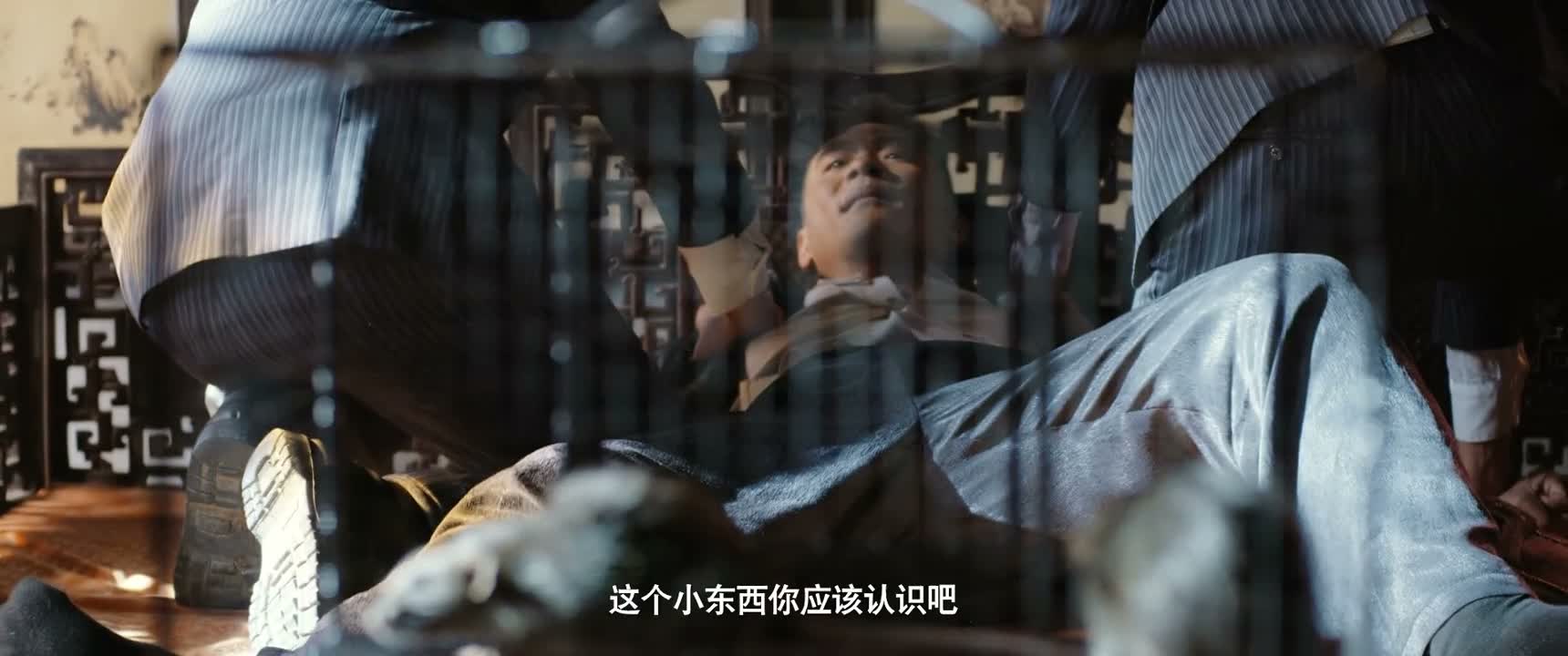
“You should recognize this little thing.”

“You should know who he is.”
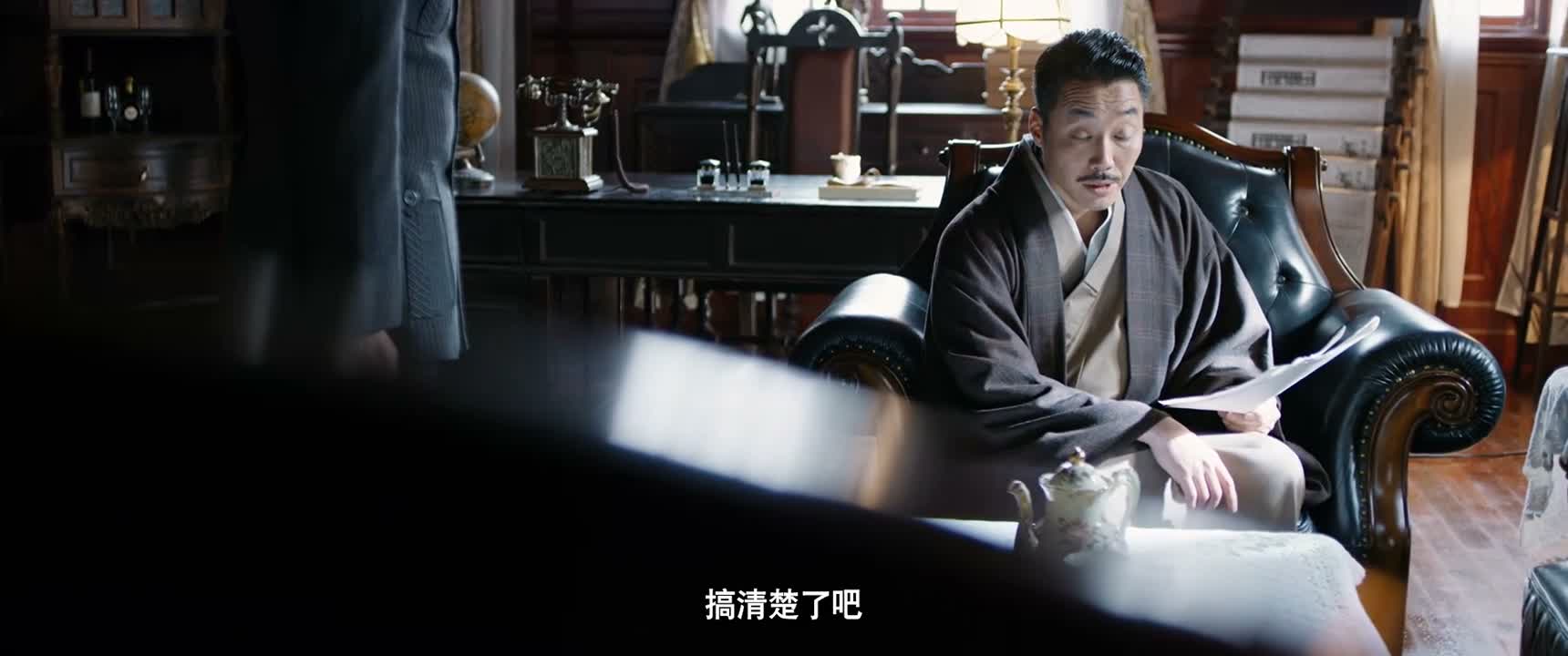
“have you identified them?”
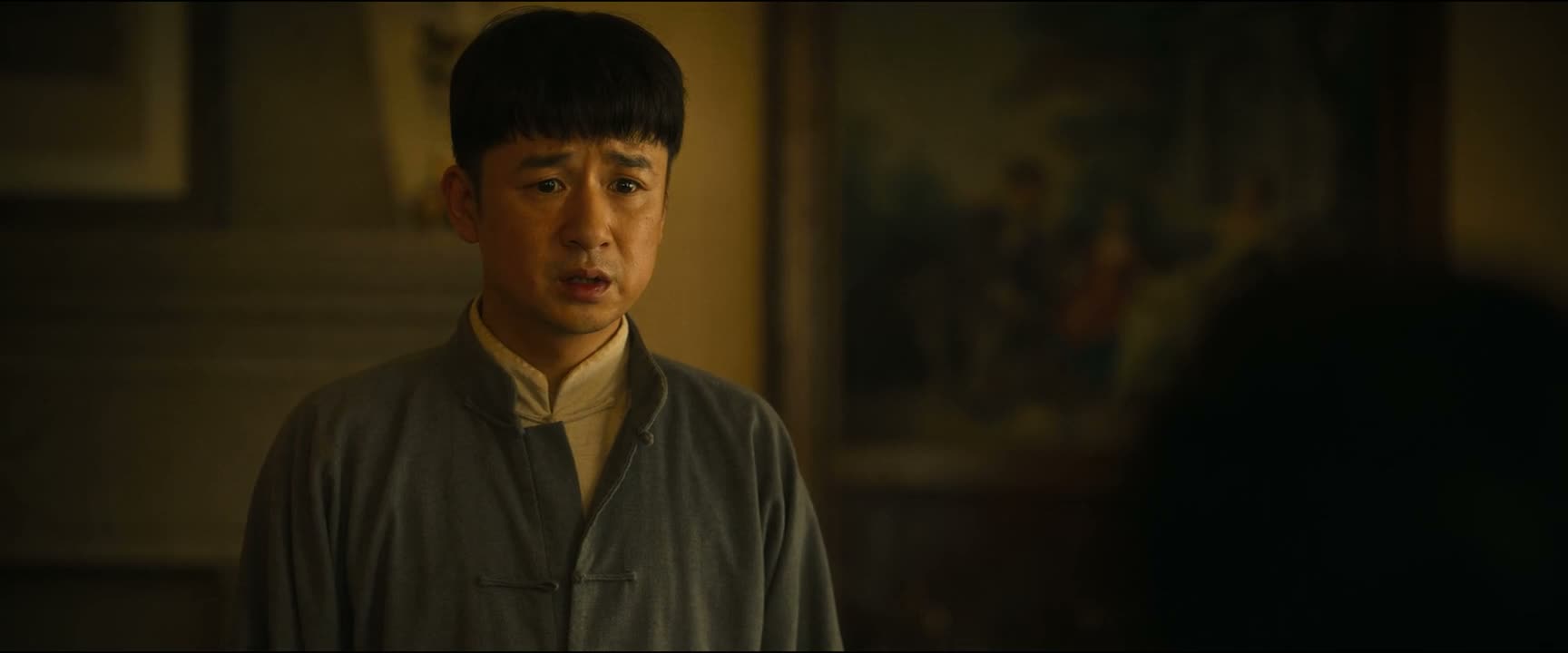
“You should know all this by now.”