今天这事错哪了 自己心里知道吗
“Do you know what you did wrong today?”
THE DIALOGUE REEL
“Stand properly. Don't think this is over.”
今天 这事 错哪了 自己 心里 知道吗
“Do you know what you did wrong today?”
“You know exactly what you did wrong, so admit it and reflect on your behavior.”
Traditional Chinese parenting emphasizes making children verbally acknowledge their missteps and engage in self-examination rather than just receiving a straightforward punishment.
LEARNING CHUNKS & PARTICLES
where did one go wrong / what did one do wrong
A common disciplinary inquiry used by superiors or parents to demand self-criticism.
know deep down in one's heart / be fully aware
Used to confront someone who knows their fault but refuses to admit it openly.
Turns the statement into a rhetorical question to challenge the listener's awareness.
VOCABULARY & EXPRESSIONS
Parallel Spoken Cinema Scenes (语义近邻切片)
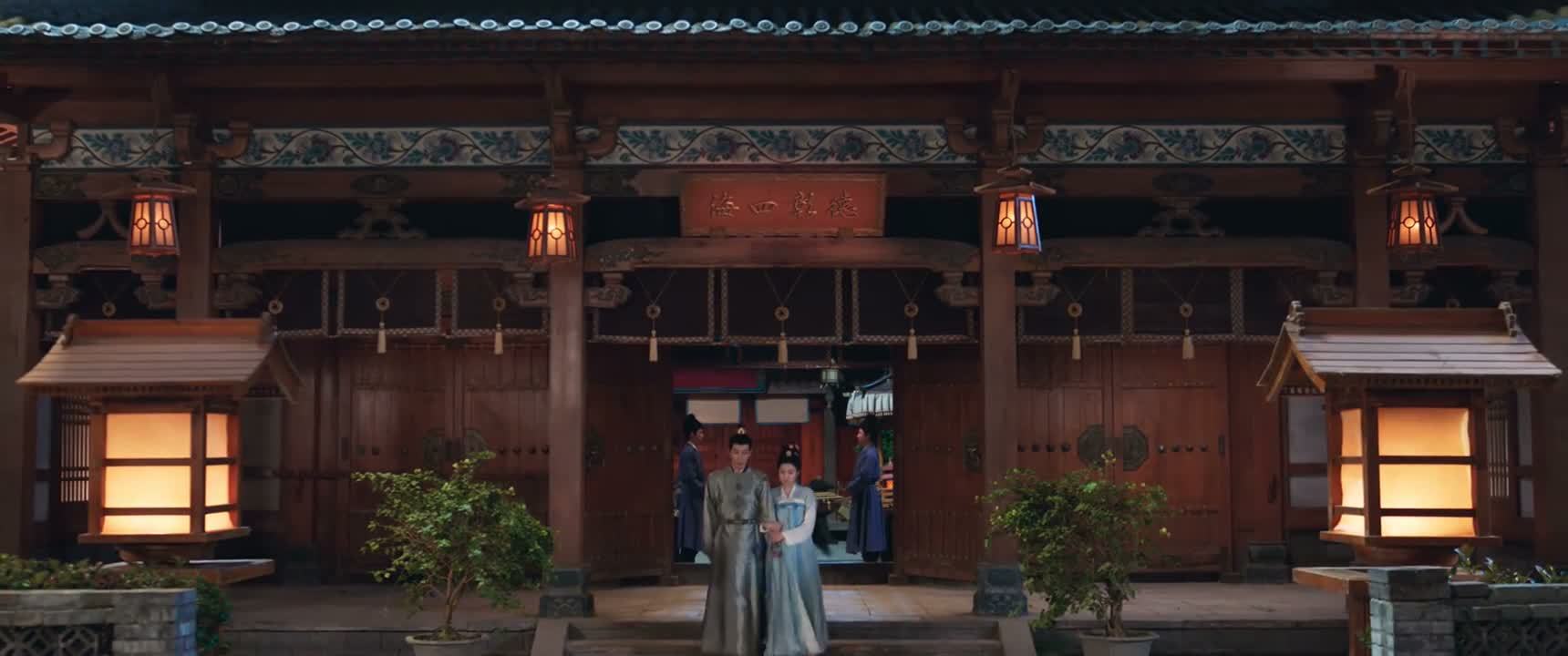
“Still don't know what you did wrong?”
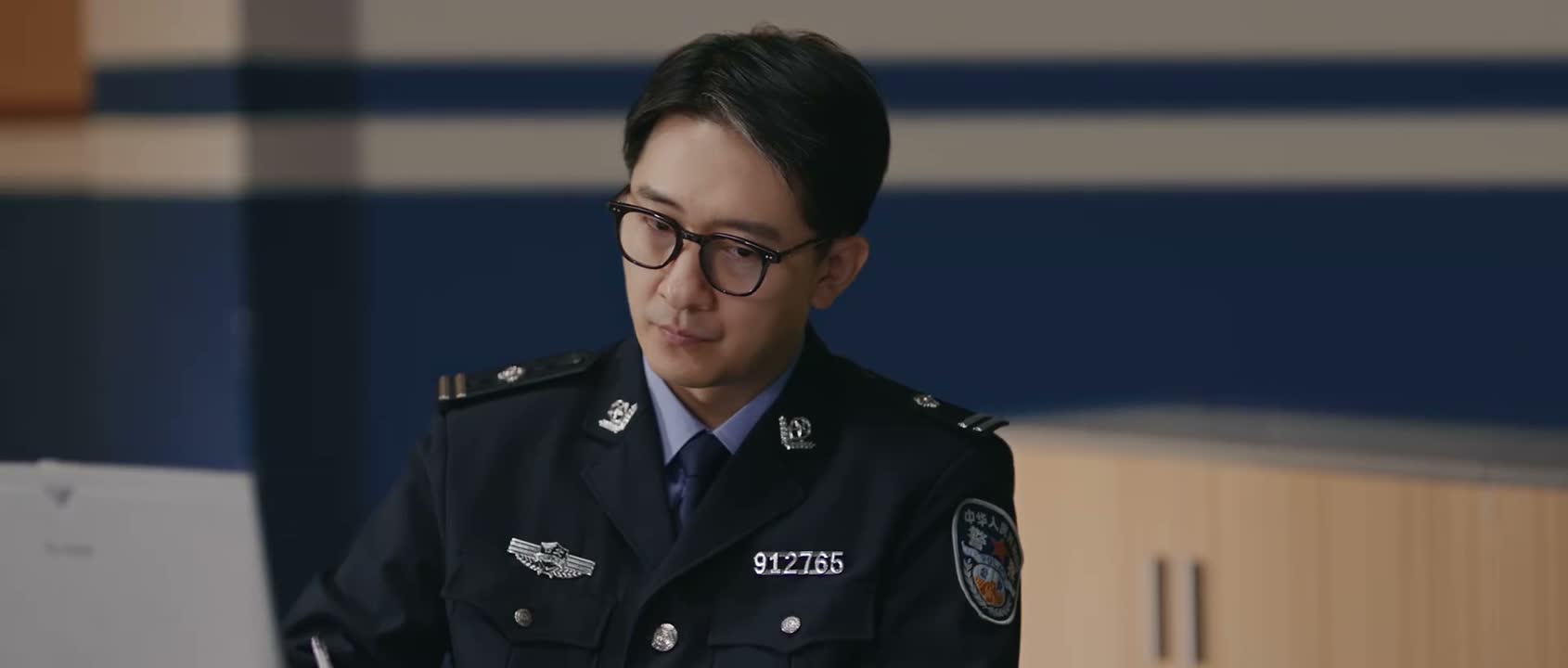
“You need to explain what's going on here.”

“Then how exactly did today's incident happen?”

“It is so nice to hear it today.”

“it has taken me much time to realize what I should do.”

“Luckily, we came across the mistake today.”