你不是也是被那个 唐斯乐给骗了嘛 是吧
“You were fooled by Tang Sile too, weren't you?”
THE DIALOGUE REEL
“I apologize to you all. That's enough. Why say that?”
你 不是也 是 被 那个 唐斯乐给 骗了 嘛 是吧
“You were fooled by Tang Sile too, weren't you?”
文静你接着讲
“Wenjing, go on.”
“You don't need to apologize; you were scammed just like the rest of us.”
In Chinese social etiquette, smooth talkers often use rhetorical questions to help an embarrassed party 'step down the stairs' (xia taiti) and preserve harmony.
LEARNING CHUNKS & PARTICLES
got tricked / deceived by someone
A classic spoken passive structure combining '被' with the colloquial marker '给' to emphasize victimhood.
weren't you also...
Rhetorical negative question used to remind someone of shared circumstances or mutual facts.
Indicates that the statement should be obvious and accepted by common sense.
Invites agreement from the listener to validate the speaker's reassuring claim.
VOCABULARY & EXPRESSIONS
Parallel Spoken Cinema Scenes (语义近邻切片)

“When we caught Tang Sile today, I thought he looked familiar.”

“Tang Sile is connected to it too. So I have reasonable suspicion”

“It only shows Tang Sile passing back and forth. Nothing else at all.”

“She thought it worked great at first, so she got Tang Sile to take it too.”
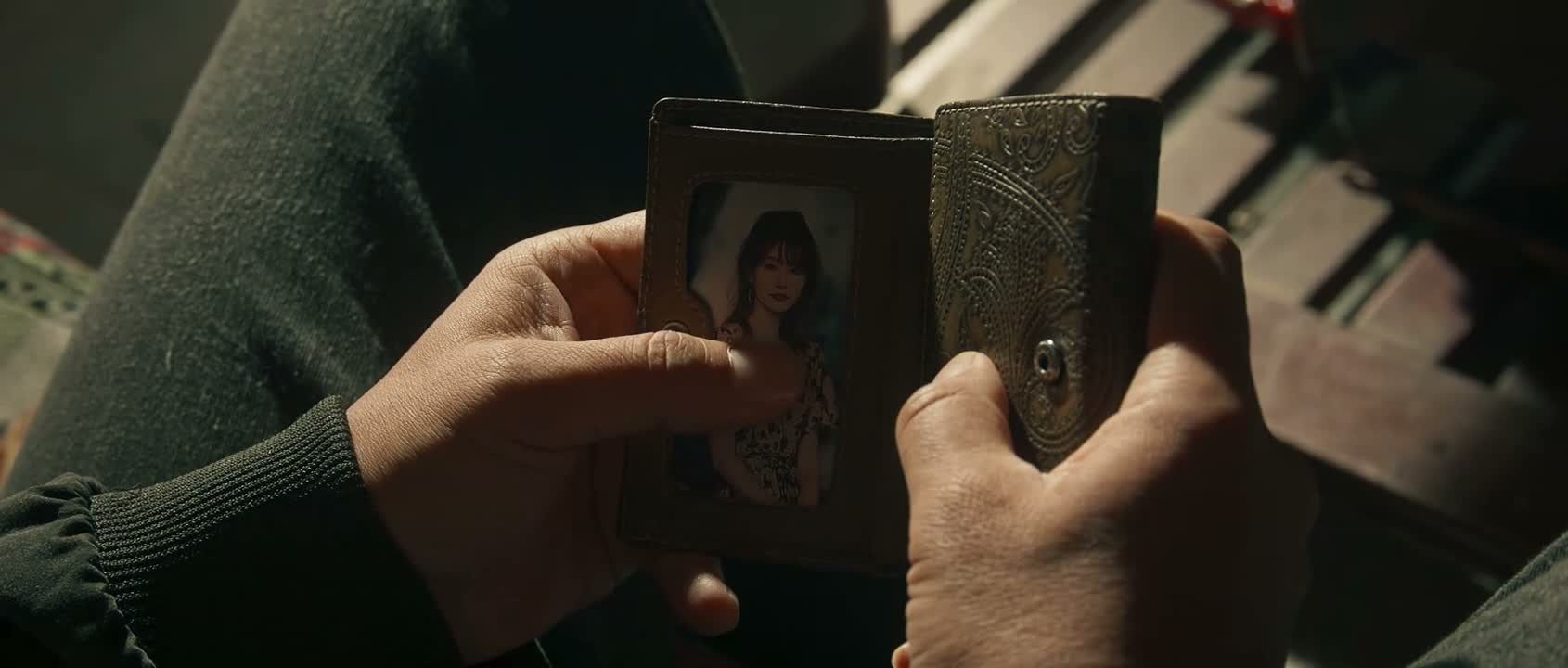
“you must have been conned.”

“I would've probably been fooled by her as well.”