行了行了行了 我伤的是胳膊 不是腿
“Alright. I hurt my arm, not my leg.”
THE DIALOGUE REEL
走
“Let's go.”
行了行了行了 我 伤的是胳膊 不是 腿
“Alright. I hurt my arm, not my leg.”
“Stop babying me; I can walk just fine on my own!”
In close Chinese relationships, people often show affection through extreme fussing, which is routinely rebuffed with affectionate, mild irritation rather than formal gratitude.
LEARNING CHUNKS & PARTICLES
alright, alright, that's enough
Tripling '行了' intensifies the speaker's mild annoyance or eagerness to stop someone from over-caring or fussing over them.
it is... not...
A classic contrast structure used to clarify facts and point out the absurdity of the other party's assumption.
Indicates a cutoff point in '行了', urging an immediate halt to the excessive assistance.
VOCABULARY & EXPRESSIONS
Parallel Spoken Cinema Scenes (语义近邻切片)

“All right, do not worry about that. Focus on recovering.”

“Enough. Stop teasing him.”

“Alright, stop talking.”
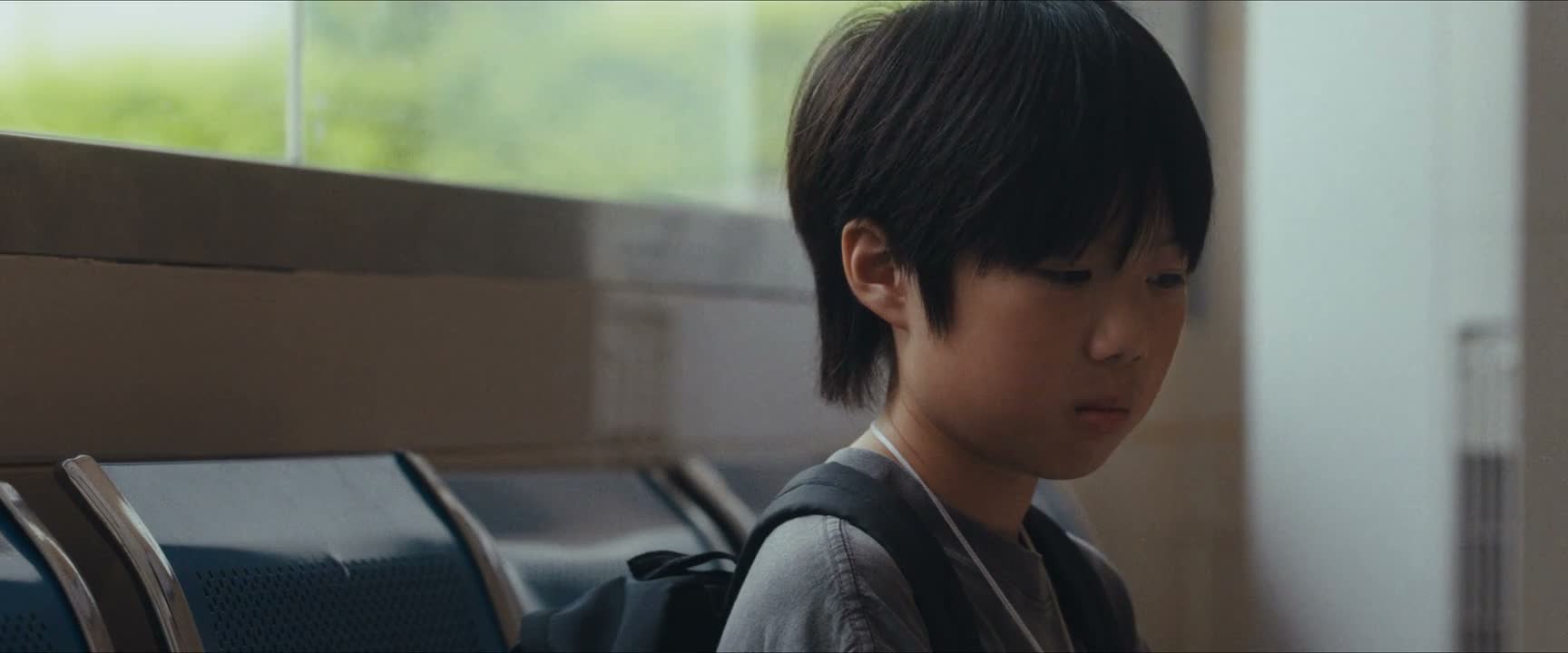
“Alright. Let's go back first, okay?”

“Alright, alright. Stop pretending.”

“I heard you hurt your hand. I came to check on you. Are you okay?”