《COURT!》 S1·E21 (39:25)
HSK 5
yào bú shì chū le tóng tóng nà ge shì
要不是出了彤彤那个事
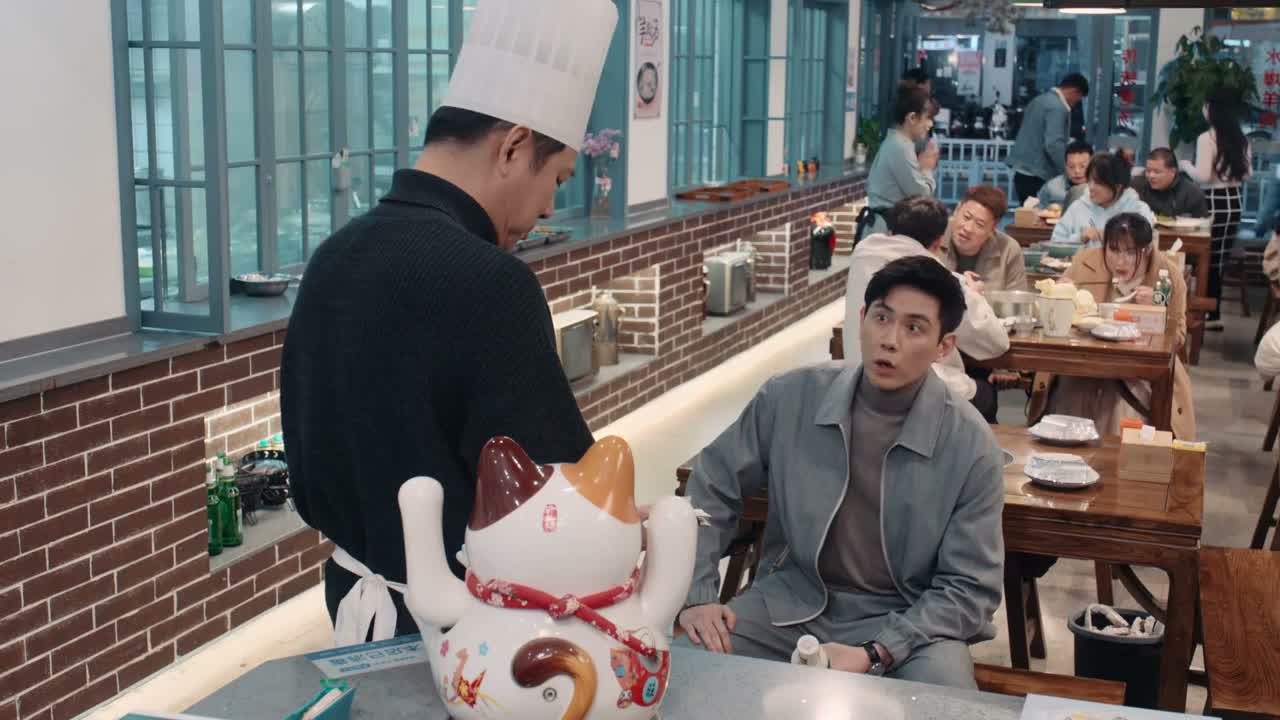
“If it hadn't been for that incident with Tong,”
《COURT!》
S1·E21
TIMECODE: 39:25
·
1080P MASTER AUDIO
THE DIALOGUE REEL
[-1] PREVIOUS TURN
shì a
是啊
“She really is.”
yào bú shì chū le tóng tóng nà ge shì
CURRENT FOCUS
要不是 出 了 彤彤 那个 事
“If it hadn't been for that incident with Tong,”
[+1] FOLLOW-UP TURN
shuō bù dìng
说不定
“who knows?”
Subtitles synced to millisecond timecode
Browse Show Clips →
Scene:
Daily Life
Function:
LAMENTING PAST EVENT
Tone:
LAMENTING AND REFLECTIVE
Emotion:
REGRET
WHAT THEY REALLY MEAN (PRAGMATIC SUBTEXT)
“Things would be so much better right now if that misfortune hadn't messed everything up.”
💡 Cultural Insight: Counterfactual Fatalism
Chinese conversations frequently use conditional laments like 'if not for that matter' to delicately attribute current shortfalls to unavoidable past family crises rather than personal failure.
INTENT TAGS:
#regret
#counterfactual
#lamentation
#attribution
🧩
2 CHUNKS · 0 PARTICLES
LEARNING CHUNKS & PARTICLES
要不是
SPOKEN CHUNK
if it weren't for / were it not for
A common spoken conditional marker used to introduce a counterfactual cause of present misfortune.
出了...事
SPOKEN CHUNK
something bad happened to...
A standard colloquial frame for referencing an accident, crisis, or troubling situation.
🏮
2 EXPR · 11 GRAMMAR
VOCABULARY & EXPRESSIONS
CROSS-CINEMA CORPUS BOARD · PARALLEL SCENES
EXPLORE BY SEMANTIC SIMILARITY
Parallel Spoken Cinema Scenes (语义近邻切片)

《COURT!》 S1·E21 (39:25) · Authentic Cinema Dialogue Corpus