你今天的幽默感 是不是没有带出门啊
“Don't you have your sense of humor today?”
THE DIALOGUE REEL
他也不能一直驻扎在那儿 拍到我们照片 对不对
“or he couldn't have just camped there, waiting to snap that photo.”
你 今天 的幽默感 是不是 没有带出门 啊
“Don't you have your sense of humor today?”
是有点烦躁
“I am a bit on edge.”
“Why are you being so serious? Lighten up a bit!”
Framing someone's bad temper as 'forgetting to bring their sense of humor' is an affectionate way in modern urban Chinese speech to de-escalate tension without being confrontational.
LEARNING CHUNKS & PARTICLES
sense of humor
Common noun used to describe whether someone is witty, amusing, or receptive to jokes.
take out of the house / bring along
Literally taking an object out; here metaphorically applied to an attitude or emotion for comedic effect.
Adds a lively, teasing, and conversational ring to the rhetorical question.
VOCABULARY & EXPRESSIONS
Parallel Spoken Cinema Scenes (语义近邻切片)

“You seem happy today. Of course!”

“Are you in a bad mood today?”

“I think you're very different today.”

“Something feels off.”

“(How could you lose your composure like that today?)”
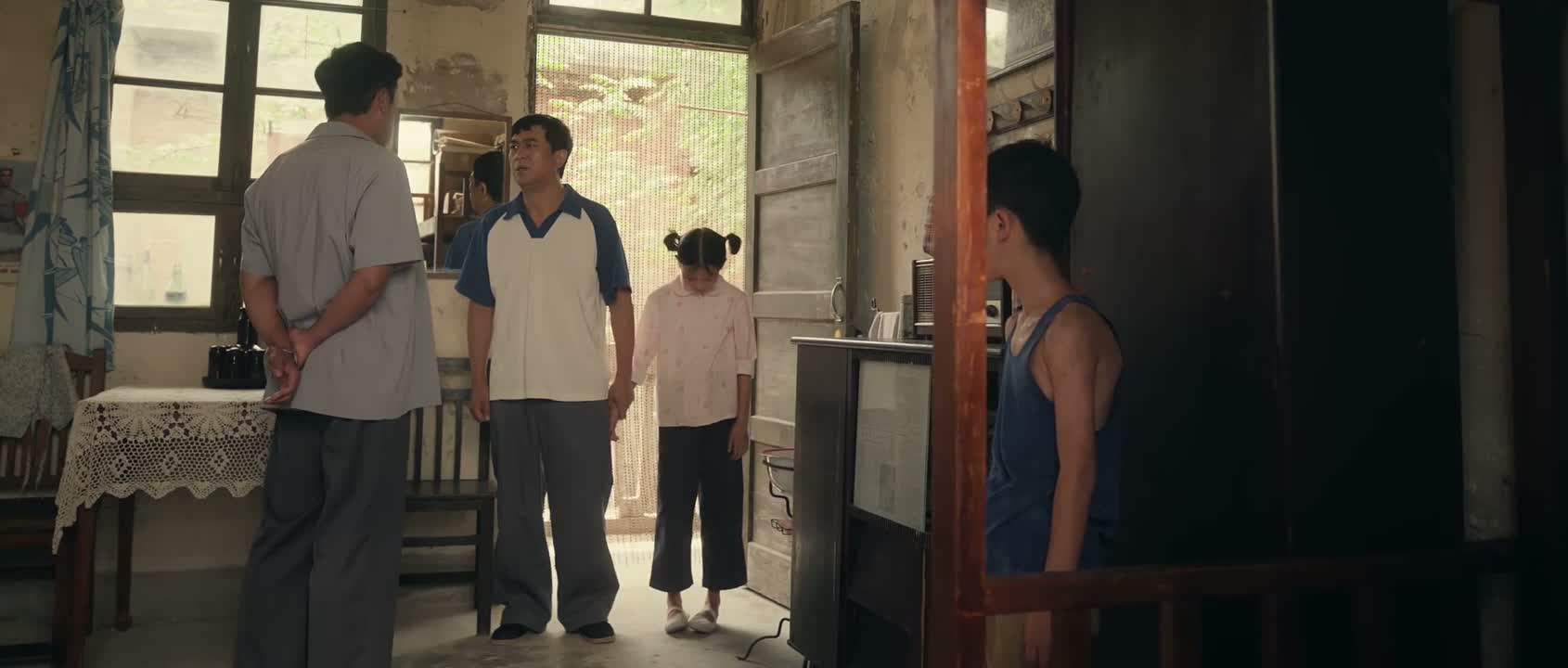
“Why did you come today? Well.”