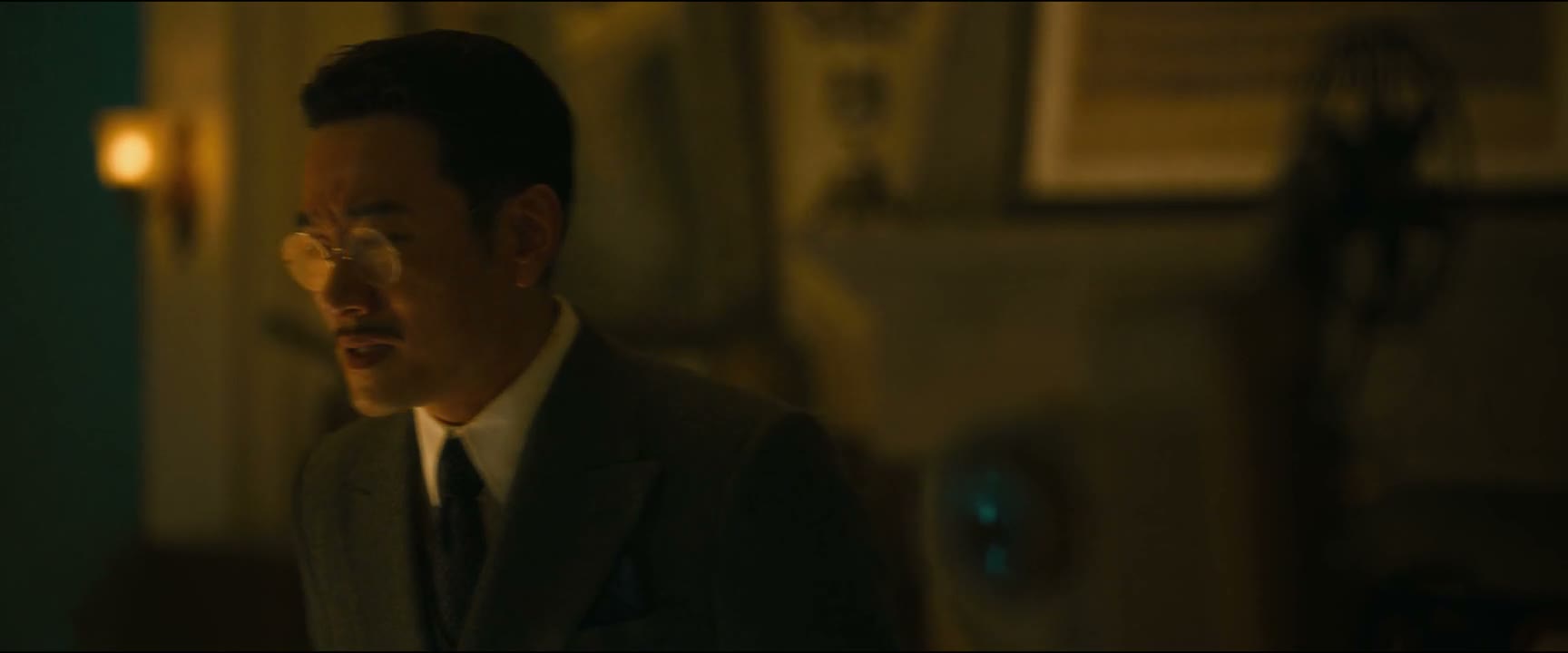
不是 也不用急成这样吧 明儿一早走不行吗
“Wait. Is it that urgent? Can't you leave tomorrow morning?”
THE DIALOGUE REEL
陈忠 赶紧去备车 是 四爷
“Chen Zhong, get the carriage ready. Yes, Fourth Master.”
不是 也不 用 急成这样 吧 明儿 一早走 不行吗
“Wait. Is it that urgent? Can't you leave tomorrow morning?”
你懂什么
“What do you know?”
“You are overreacting, why can't this wait until daylight?”
Starting a sentence with '不是' in colloquial Chinese does not mean a literal negation; rather, it expresses bewilderment and cushions an impending counter-argument.
LEARNING CHUNKS & PARTICLES
in such a frantic rush
Used colloquially to criticize or comment on someone acting overly flustered or anxious.
first thing tomorrow morning
A natural, northern-accented spoken phrase referring to the early hours of the next day.
Softens the rhetorical challenge and seeks confirmation or agreement from the listener.
Turns the clause into a question to present an alternative proposal.
VOCABULARY & EXPRESSIONS
Parallel Spoken Cinema Scenes (语义近邻切片)

“It even depends on me whether I want it or not. The sooner we get to know about it, the sooner we end it.”

“Why are you in such a hurry to leave?”
“if you had said that earlier, it would have been fine.”

“It's so tiring to attend court. Can I not go tomorrow?”

“There's no need to rush it.”