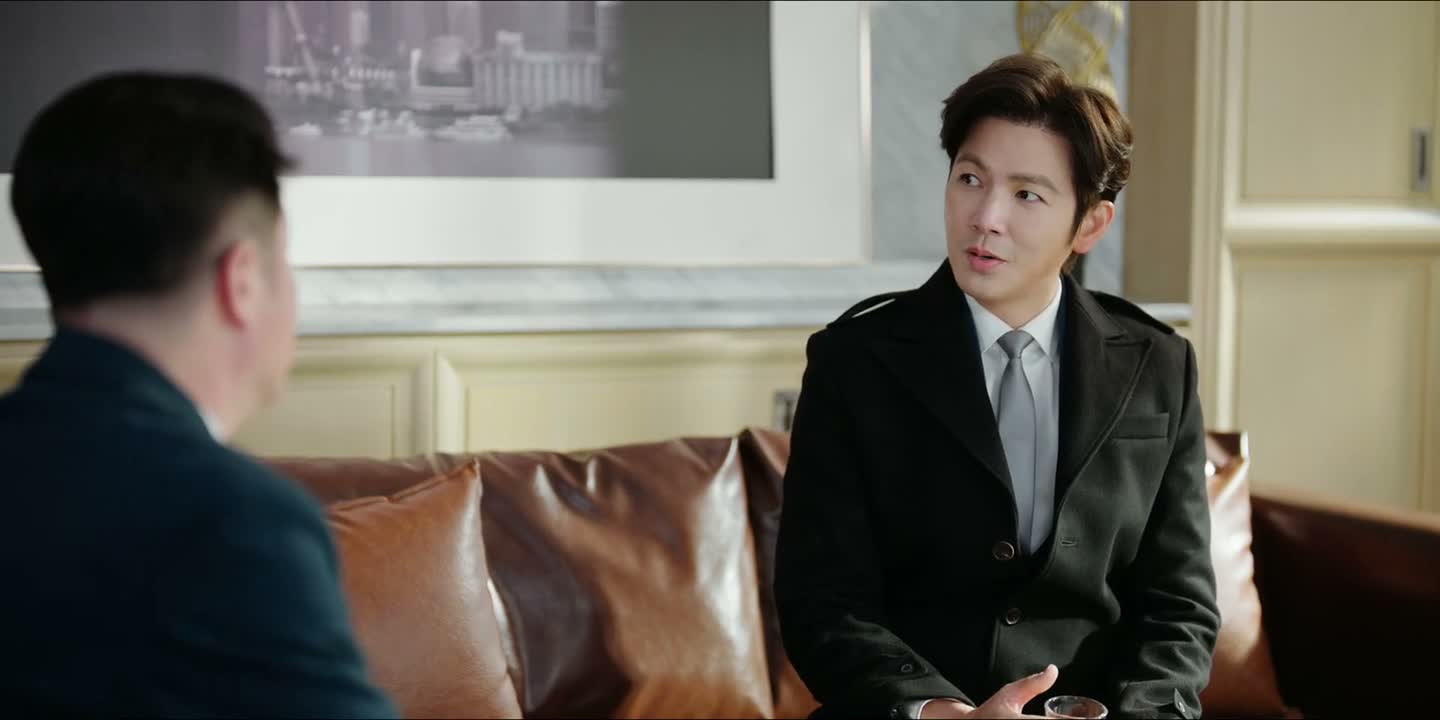
《The Epoch of Miyu》 S1·E1 (29:14)
HSK 2
wǒ men shì bú shì lái de bú shì shí hòu a
我们是不是来得不是时候啊
“did we come at a bad time?”
《The Epoch of Miyu》
S1·E1
TIMECODE: 29:14
·
1080P MASTER AUDIO
THE DIALOGUE REEL
[-1] PREVIOUS TURN
jiě
姐
“Sister,”
wǒ men shì bú shì lái de bú shì shí hòu a
CURRENT FOCUS
我们 是不是 来得不是时候 啊
“did we come at a bad time?”
[+1] FOLLOW-UP TURN
méi guān xì de
没关系的
“It's fine.”
Subtitles synced to millisecond timecode
Browse Show Clips →
Scene:
Social & Dating
Function:
TENTATIVE APOLOGY
Tone:
APOLOGETIC
Emotion:
EMBARRASSMENT
WHAT THEY REALLY MEAN (PRAGMATIC SUBTEXT)
“Did we just walk into something awkward? Should we leave you alone?”
💡 Cultural Insight: Sensibility to Situational Atmosphere (Chayan Guanse)
Chinese interpersonal etiquette places high value on immediately reading the room and proactively acknowledging potential inconvenience to give the host an easy way out.
INTENT TAGS:
#hedging
#polite inquiry
#reading the room
#apology
🧩
2 CHUNKS · 1 PARTICLES
LEARNING CHUNKS & PARTICLES
是不是
SPOKEN CHUNK
is it the case that / isn't it true that
Used before a predicate to soften an assumption and politely verify someone's thoughts or situations.
来得不是时候
SPOKEN CHUNK
arrived at a bad time
A standard conversational formula used when realizing one's visit might be interrupting or inconvenient.
Modal Particle「啊」 (a)
CHANGE OF STATE
Softens the interrogative sentence into an empathetic, gentle inquiry rather than a blunt interrogation.
🏮
2 EXPR · 7 GRAMMAR
VOCABULARY & EXPRESSIONS
COLLOQUIAL EXPRESSIONS:
CROSS-CINEMA CORPUS BOARD · PARALLEL SCENES
EXPLORE BY SEMANTIC SIMILARITY
Parallel Spoken Cinema Scenes (语义近邻切片)

《The Epoch of Miyu》 S1·E1 (29:14) · Authentic Cinema Dialogue Corpus