连儿子都出家为僧
“Even our son became a monk.”
THE DIALOGUE REEL
为了我被害身亡
“She was killed because of me.”
连 儿子 都 出家 为 僧
“Even our son became a monk.”
我却懵然不知
“And I knew nothing.”
“My loved ones suffered total ruin on my account, and I carry an immense burden of guilt.”
In traditional Chinese culture rooted in filial piety, a son becoming a monk cuts off the ancestral lineage, representing an extreme tragedy and personal sacrifice.
LEARNING CHUNKS & PARTICLES
to leave home to become a Buddhist monk
A classical four-character idiom used in historical and literary contexts to describe monastic renunciation.
VOCABULARY & EXPRESSIONS
Parallel Spoken Cinema Scenes (语义近邻切片)
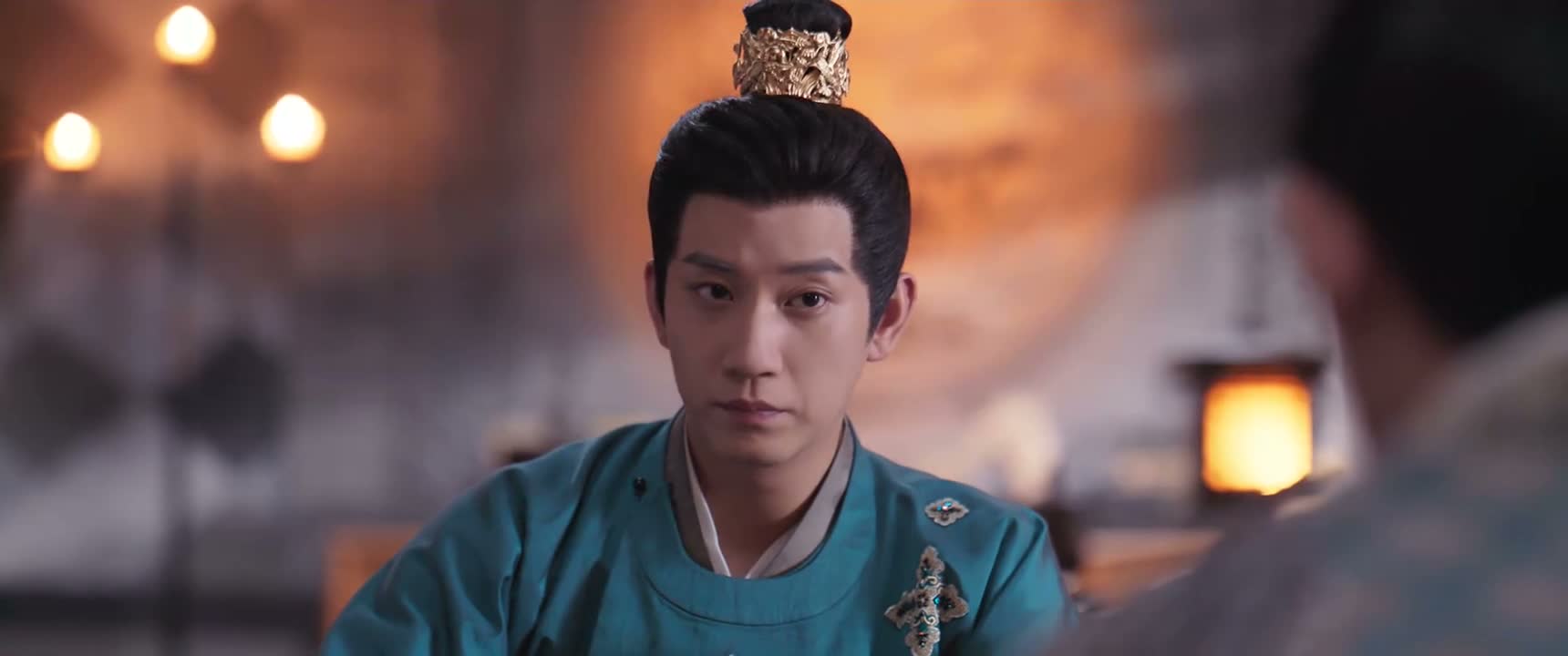
“for something trivial.”
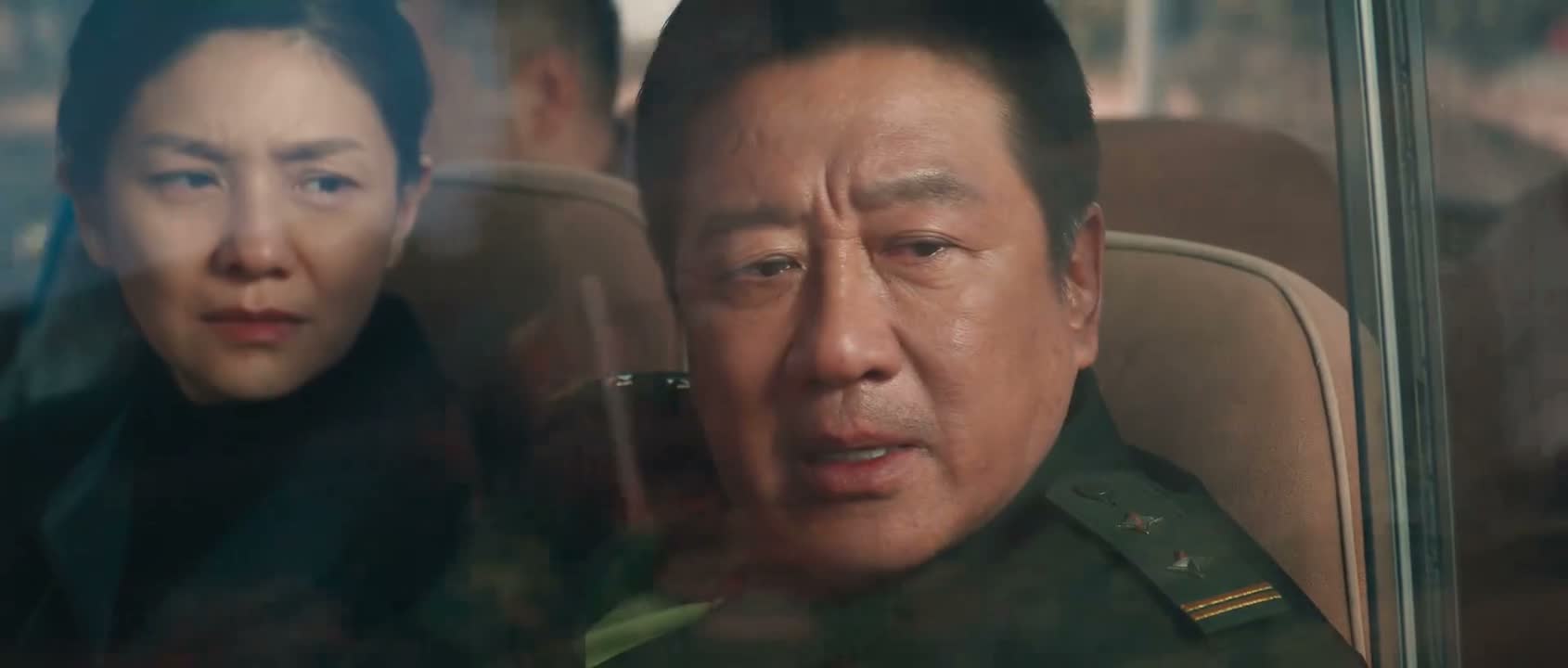
“I won't even be able to save my own son.”

“and cut off contact with my parents.”
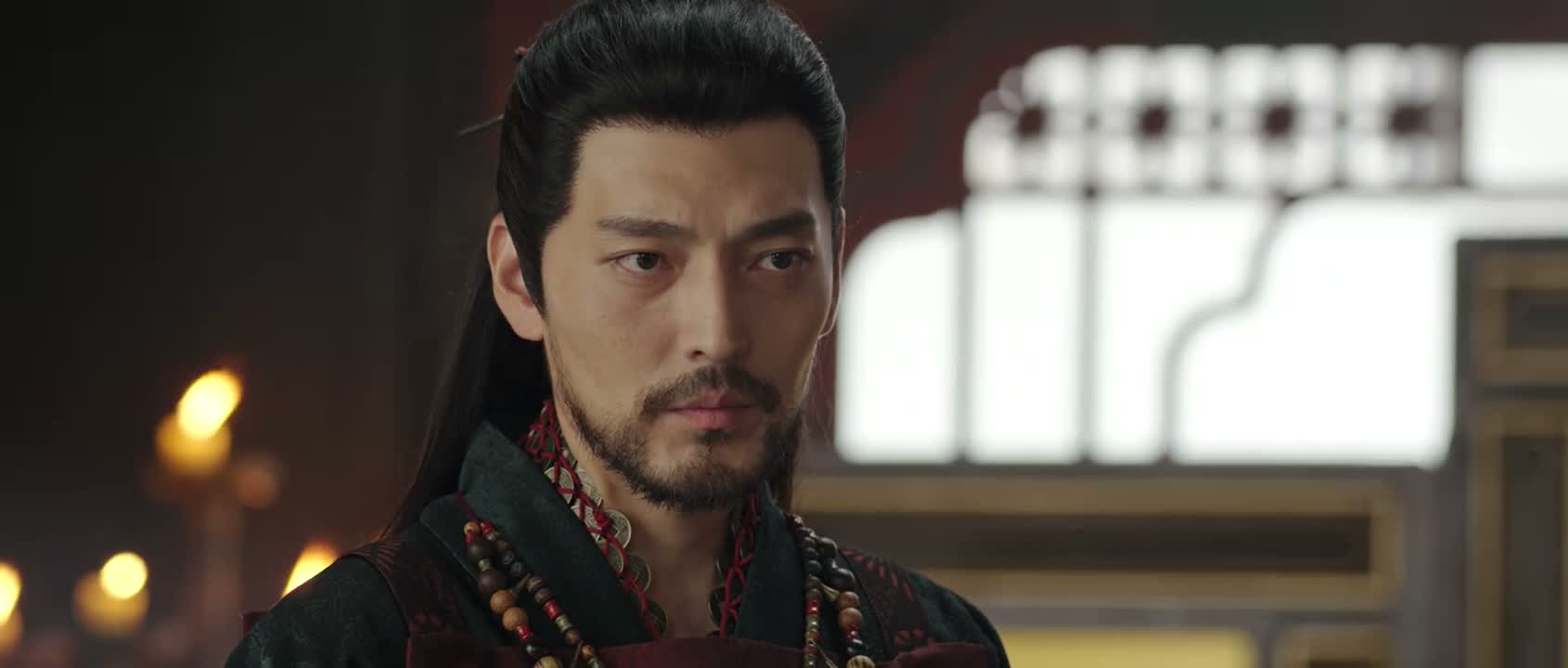
“Their families have supported the Li Sect for generations.”
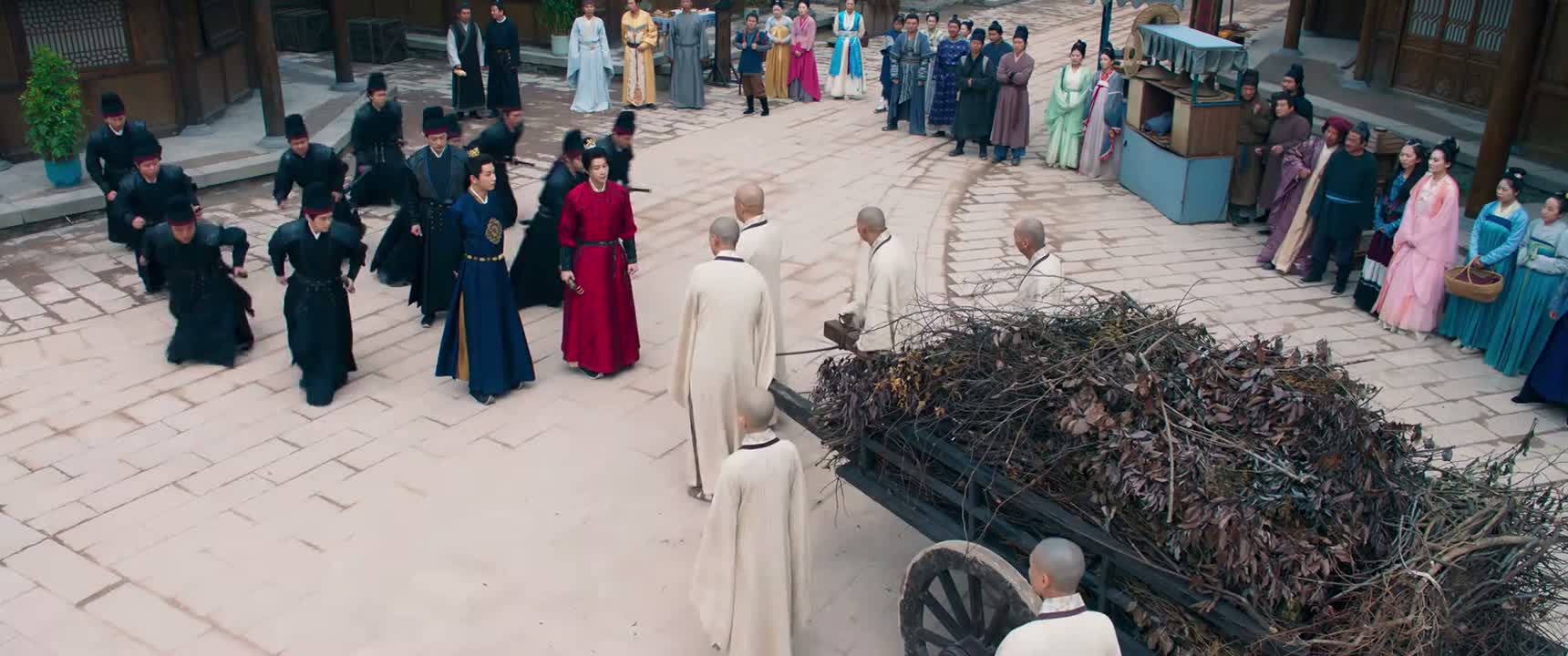
“(and conspired with the monks to conceal the matter.)”
“that his passing hides another truth”