凌和平向来 都是个甩手掌柜
“Ling Heping doesn't take care of his child.”
THE DIALOGUE REEL
“So, I know it's not been easy for you in all these years.”
凌和平 向来 都是个 甩手掌柜
“Ling Heping doesn't take care of his child.”
之前呢 是甩给我了
“He used to leave the child to me.”
“Ling Heping never lifts a finger to help with the family; he leaves all the messy work to everyone else.”
In traditional and transitioning Chinese households, busy fathers often left all domestic care to spouses or extended family, earning them the critical label '甩手掌柜'.
LEARNING CHUNKS & PARTICLES
always; all along
Used in spoken or written Chinese to emphasize a consistent, long-standing habit or trait.
an arm-flinging shopkeeper; someone who abdicates responsibility while nominally being in charge
A highly common colloquial idiom used to criticize a boss, spouse, or colleague who avoids hands-on effort and leaves others to do the hard work.
VOCABULARY & EXPRESSIONS
Parallel Spoken Cinema Scenes (语义近邻切片)

“What exactly does Ling Heping want to do? He's not that old”
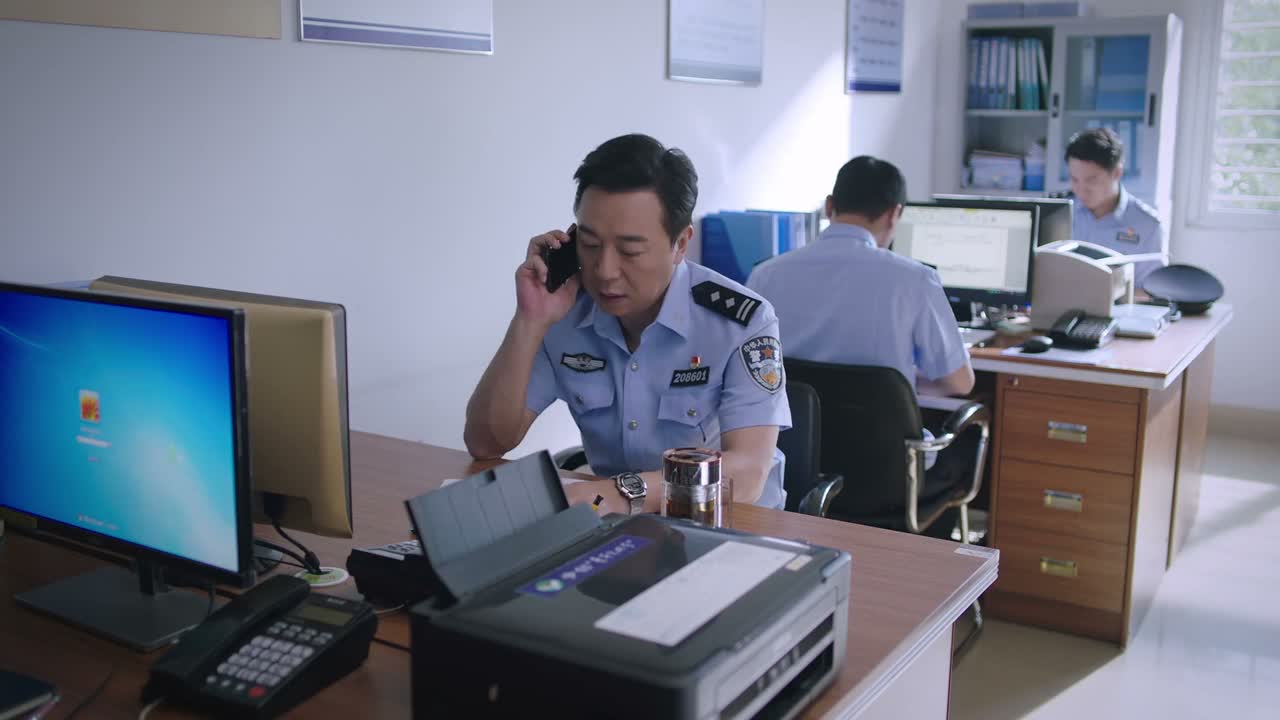
“Hello, this is Ling Heping.”

“I didn't agree you got married with Ling Heping.”

“will revitalize all of Pingchuan.”
“Liu Ping was hurt so badly by you,”
“You're grown up.”