闯了祸就跑 你爸就是这么教你的吗 你有事说事
“You caused trouble and ran away? Is that what your dad taught you? Why are you bringing my dad into this?”
THE DIALOGUE REEL
郑大鹏 不是 站那儿 你你 放开我 你放
“Zheng Dapeng! Stop. Stop there! Let me go!”
闯了祸就跑 你爸 就是 这么 教你 的吗 你 有事说事
“You caused trouble and ran away? Is that what your dad taught you? Why are you bringing my dad into this?”
“Why are you bringing my dad into this? Now you defend your dad?”
“Face your mistakes like a man instead of running away and disgracing your family.”
Invoking how one's parents raised them ('你爸就是这么教你的吗') is a severe cultural reproach in China, as an individual's poor conduct is traditionally seen as a direct reflection of familial failure.
LEARNING CHUNKS & PARTICLES
to cause trouble; to bring about a disaster
Frequently used to describe reckless mistakes made by younger or irresponsible individuals.
deal with the matter at hand directly; be straightforward
A pragmatic imperative telling someone to stop evading, making excuses, or playing emotional games.
Turns the statement into a sharp rhetorical question aimed at insulting the listener's upbringing.
VOCABULARY & EXPRESSIONS
Parallel Spoken Cinema Scenes (语义近邻切片)

“let her clean up her own mess. It'll be a good lesson for her.”
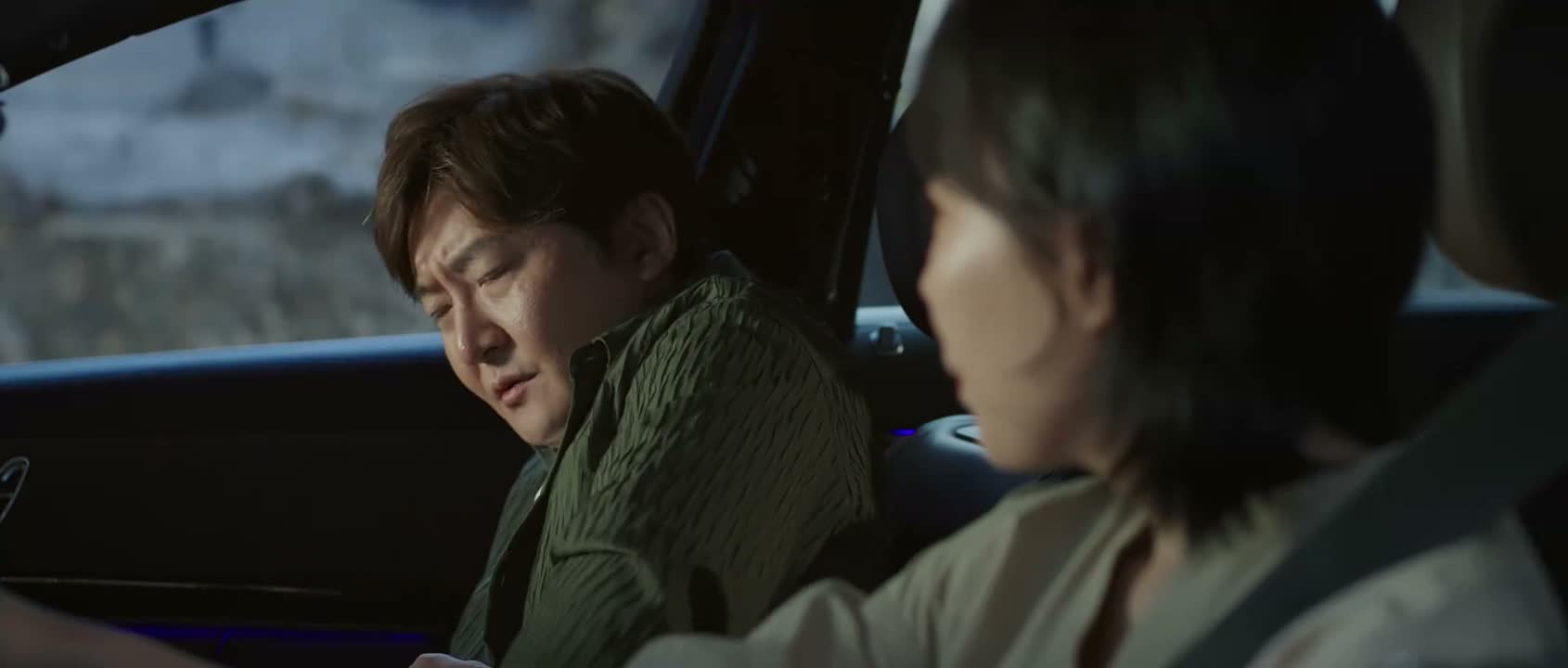
“How is that "causing trouble"?”
“He made such a mess”

“Causing a mess! Alright, alright. That's enough. Touch the car again,”
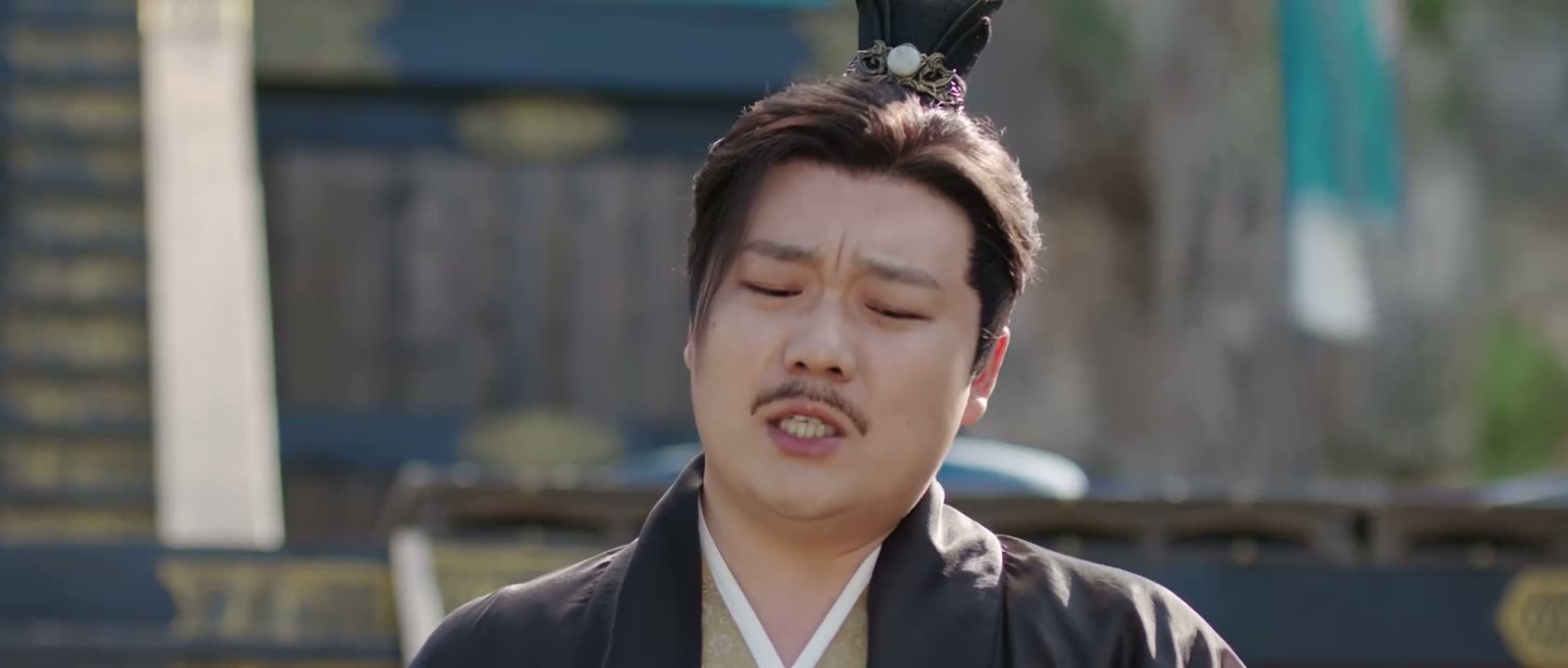
“take responsibility for the mess you caused.”

“I've gotten myself into serious trouble.”