那请殿下 下次不要再擅闯我的马车
“Then, Your Highness, please don't barge into my carriage again.”
THE DIALOGUE REEL
你在我面前 也能这般坦然自在
“you can be just as open and at ease with me.”
那请殿下 下次 不要再 擅闯 我的马车
“Then, Your Highness, please don't barge into my carriage again.”
那得看我心情
“That depends on my mood.”
“Your royal status does not entitle you to violate my privacy whenever you please.”
Subordinates in pre-modern China could not openly berate nobility without risking retribution; addressing a prince as 'dianxia' while simultaneously using harsh verbs like 'shanchuang' (trespass) creates a razor-sharp, decorous reprimand.
LEARNING CHUNKS & PARTICLES
to trespass / to barge in uninvited
A formal term indicating unauthorized or improper intrusion into private quarters or vehicles.
please do not... next time
A polite but firm syntactic construction used to issue a warning or boundary demand.
VOCABULARY & EXPRESSIONS
Parallel Spoken Cinema Scenes (语义近邻切片)
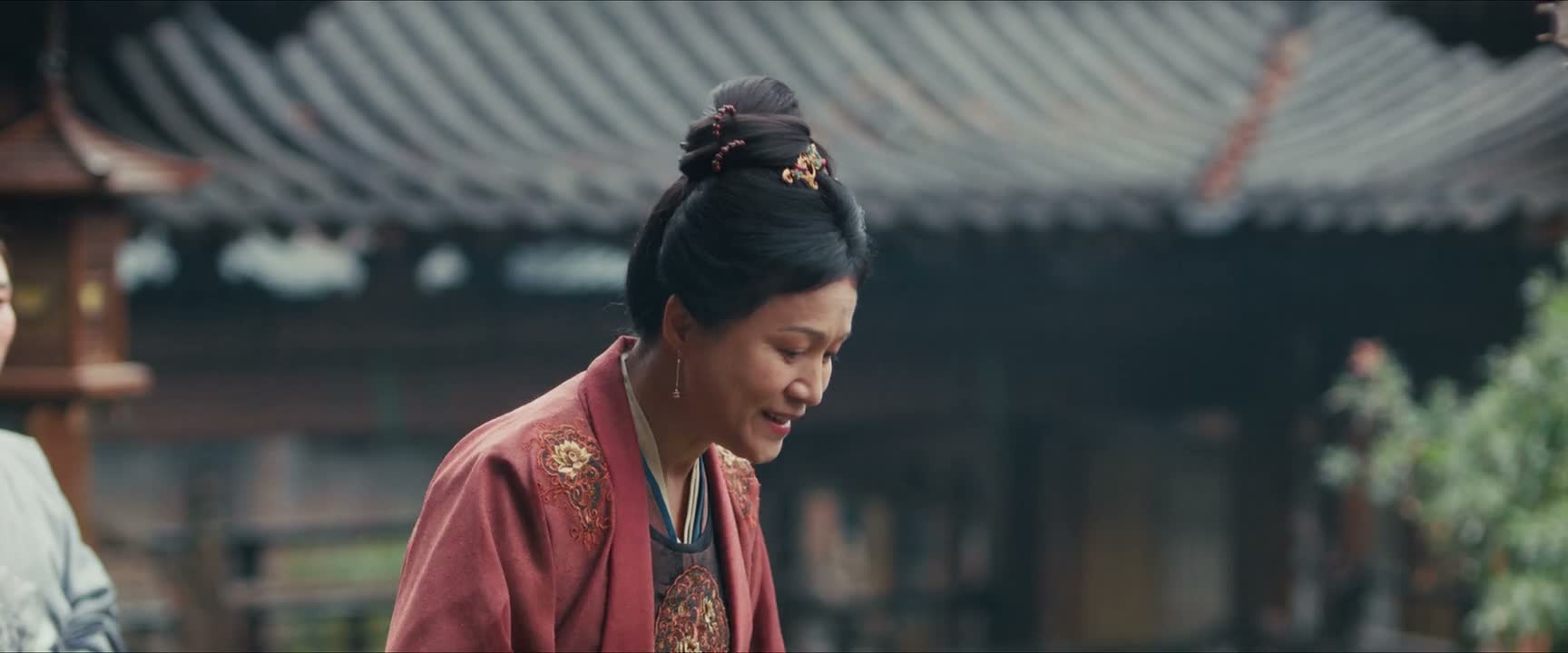
“Your Highness, please.”
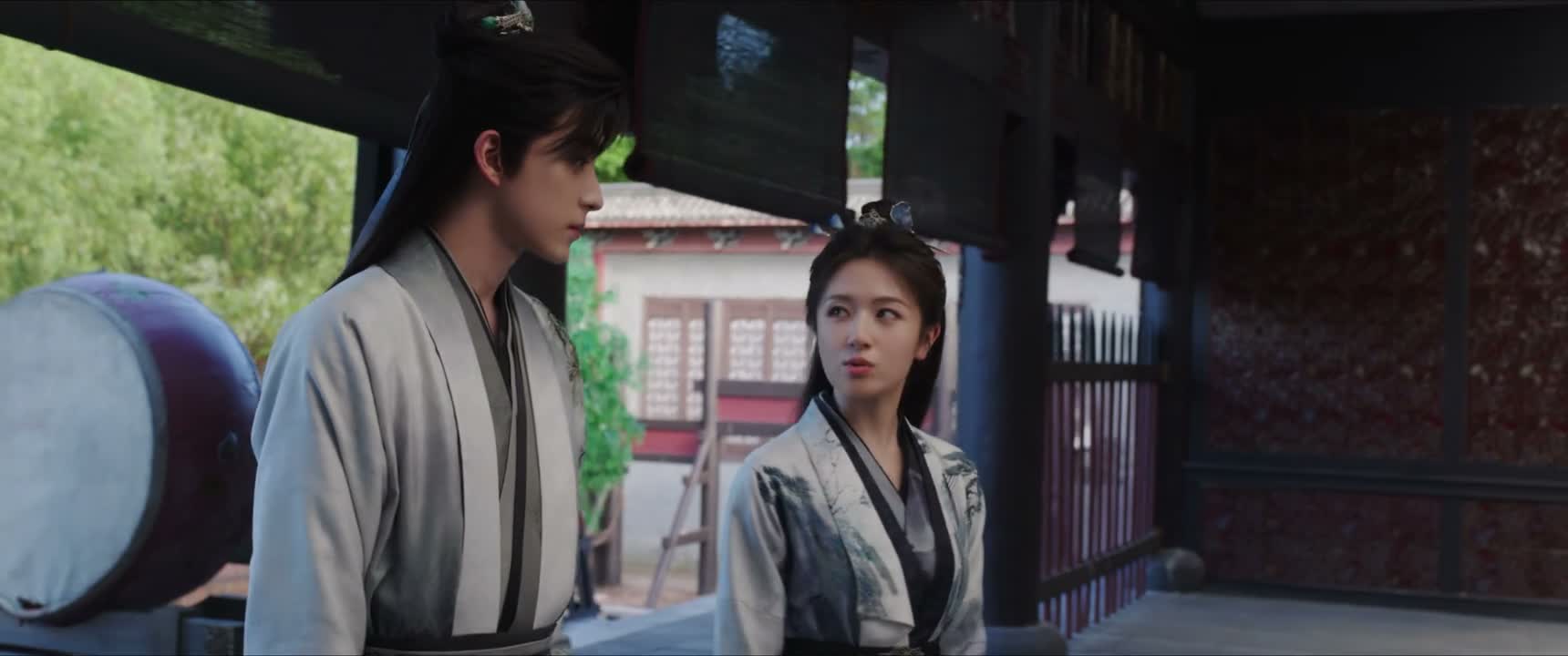
“I won't share a carriage with you anymore.”
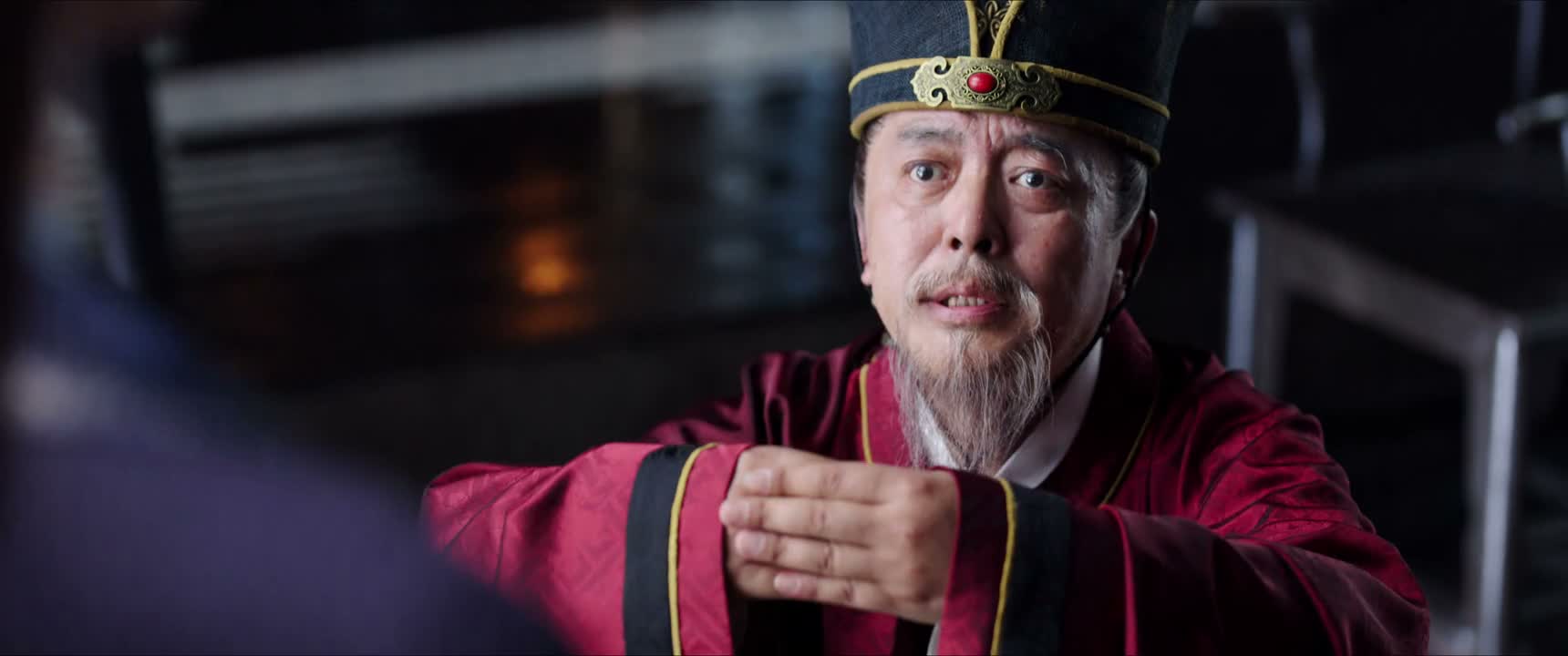
“Please enlighten me, Your Highness.”

“I didn't expect you would arrive at this moment.”

“The carriage is waiting at the entrance. Your Ladyship and ladies, please get in.”
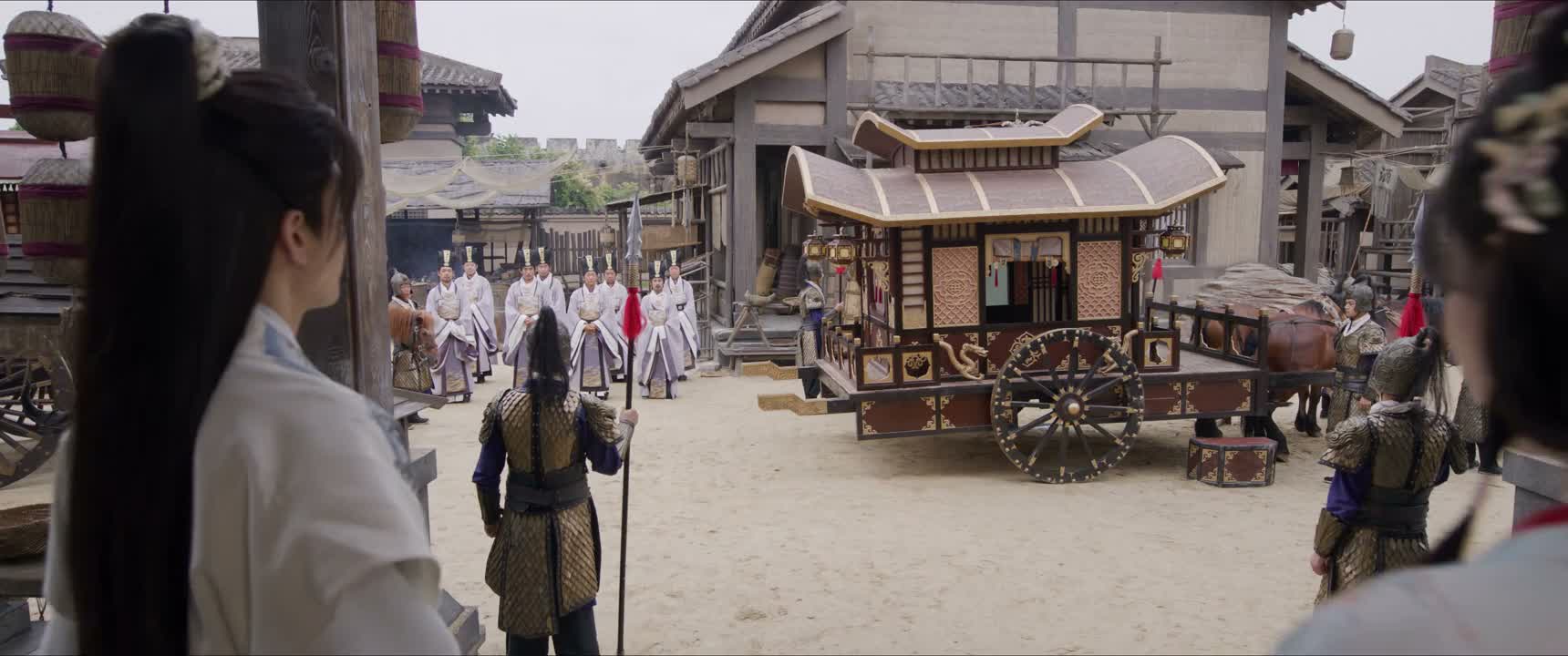
“The carriage is ready. Get in the carriage.”