不好听 我又不是隔壁的
“It doesn't sound nice. I'm not some random guy next door.”
THE DIALOGUE REEL
“Oh, by the way, stop calling me Wang.”
不好听 我又不是 隔壁的
“It doesn't sound nice. I'm not some random guy next door.”
你尝尝这个
“Try this.”
“Stop calling me that; you know exactly what kind of suspicious connotations 'Lao Wang next door' carries.”
In Chinese pop culture, '隔壁老王' (Lao Wang next door) is a ubiquitous meme referring to a stereotypical cheating neighbor, making men surnamed Wang sensitive to being called this casually.
LEARNING CHUNKS & PARTICLES
sounds unpleasant / doesn't sound nice
Commonly used to dismiss a name, suggestion, or tone of voice that sounds jarring or unfitting.
the person next door / the neighbor
In conversational Chinese, this often humorously alludes to the meme 'Lao Wang next door' (an archetypal homewrecker).
Nominalizes the location phrase '隔壁', turning it into 'the one from next door'.
VOCABULARY & EXPRESSIONS
Parallel Spoken Cinema Scenes (语义近邻切片)
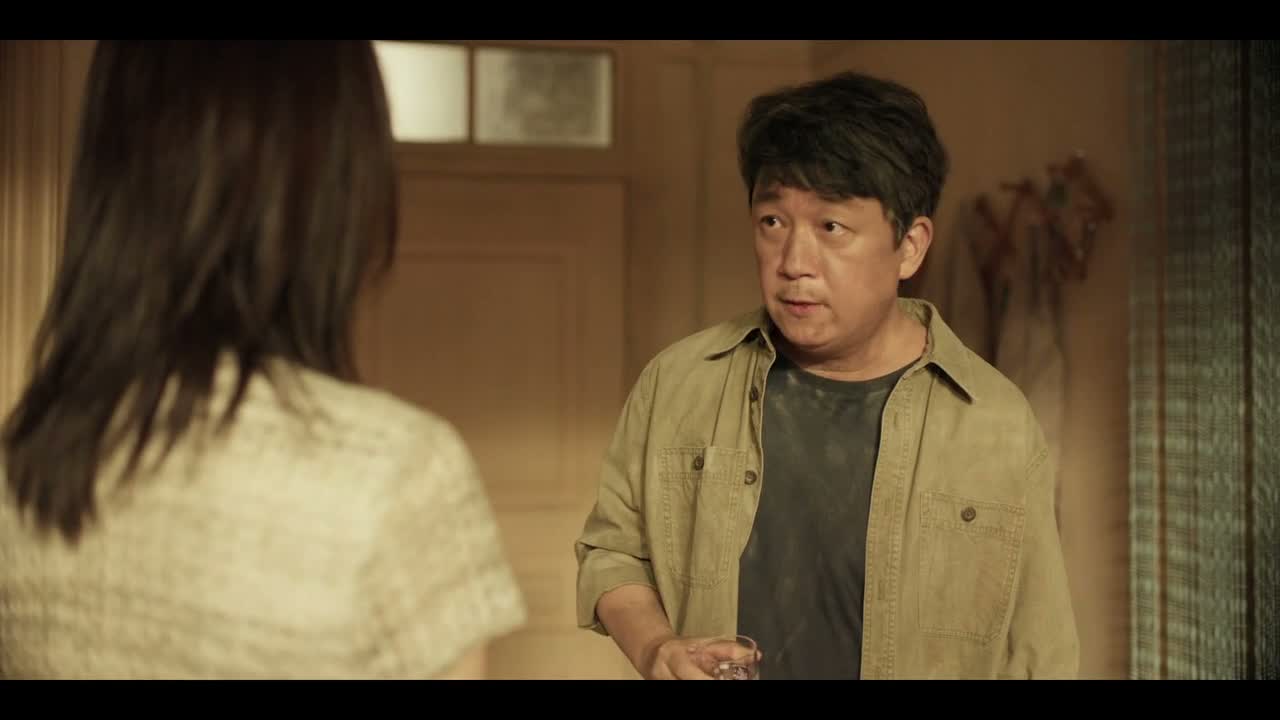
“I know I have a bad reputation”

“Hard to say. No one is counting on him.”

“become a stain on a woman's name”
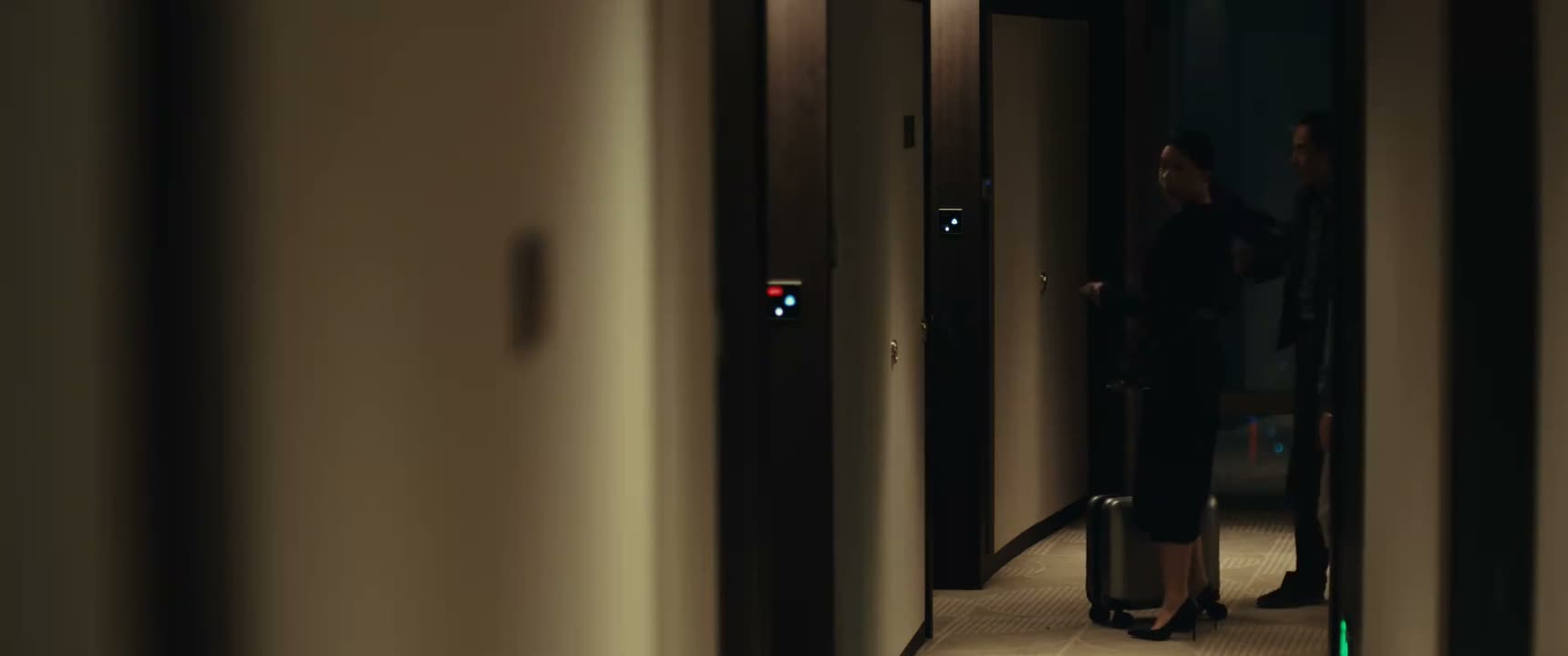
“Mom, yours is next door. Alright. Get some rest.”

“and want to earn a good reputation in the neighborhood,”

“Can we pick somewhere quieter next time? I can barely hear you. I can't even see you.”