听见没 让人包养了 你还得意洋洋 是吧 是
“Did you hear? She has a sugar daddy. You're so smug, aren't you? Yes!”
THE DIALOGUE REEL
就是舍不得你们 你们为什么这么说我 说你什么了
“couldn't bear to leave you. Why are you doing this to me? What did I say?”
听见没 让人 包养 了 你 还得 意洋洋 是吧 是
“Did you hear? She has a sugar daddy. You're so smug, aren't you? Yes!”
“I have a sugar daddy! And nobody wants you!”
“You ought to be ashamed of being a kept woman instead of standing there gloating.”
Accusing someone of being '包养' (kept as a mistress) represents a catastrophic moral condemnation in Chinese society, intended to completely demolish their social standing and virtue.
LEARNING CHUNKS & PARTICLES
to keep a mistress / financial sponsorship in exchange for sex
Carries severe social stigma and moral judgment; used when referring to transactional relationships.
smug / immensely proud of oneself
Usually carries a critical or derogatory nuance when used to describe someone showing unwarranted pride.
Closes the rhetorical question '听见没' abruptly to demand an immediate answer.
Marks the completed realization of the scandalous state ('让人包养了').
Acts as an aggressive, coercive tag question prompting forced agreement.
VOCABULARY & EXPRESSIONS
Parallel Spoken Cinema Scenes (语义近邻切片)

“Do you hear me? It's done.”

“I have a sugar daddy! And nobody wants you!”

“See? Now you're relieved.”

“You hear me? Let go! Stop it!”
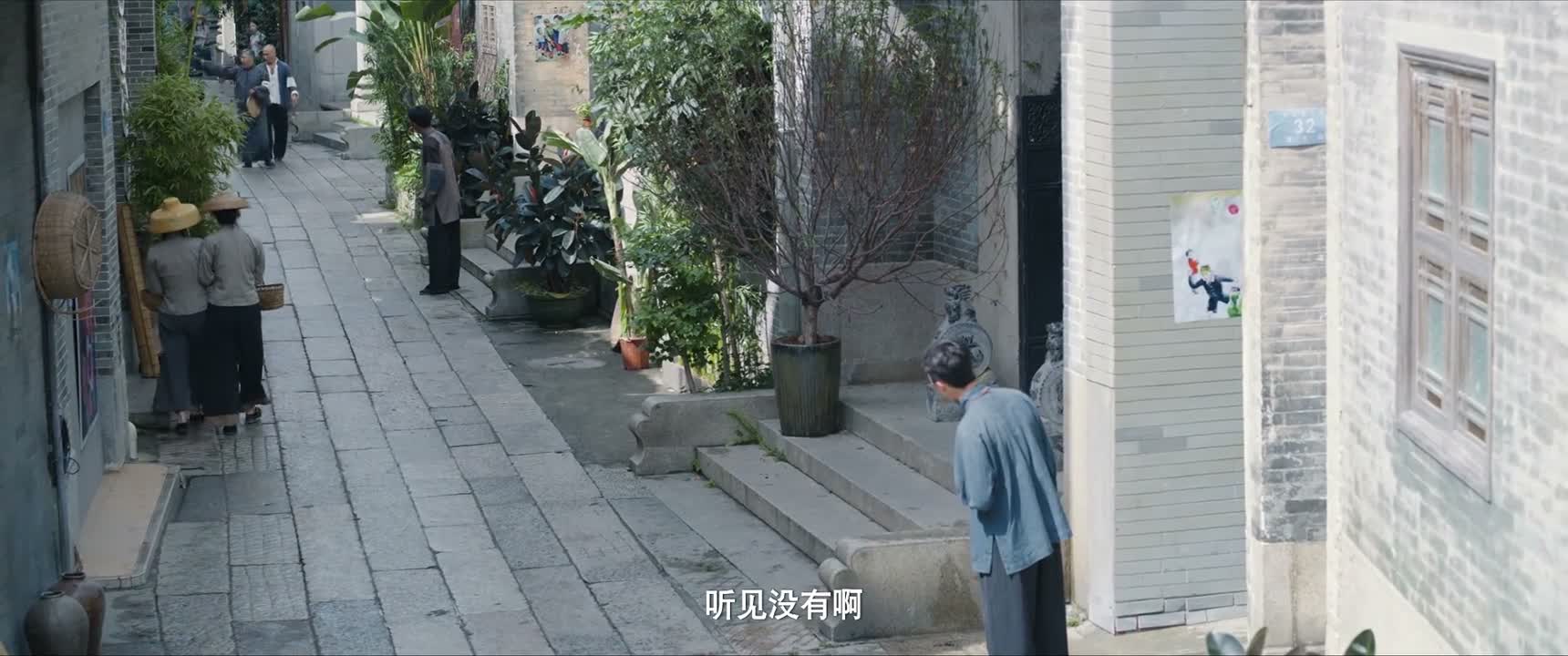
“Did you hear that?”

“See? She's one of us!”