你都没辙 我能怎么着 我一外人
“You are not able to figure out a way. What else can I do since I'm an outsider?”
THE DIALOGUE REEL
“The elder can do whatever she wants here.”
你都 没辙 我 能怎么着 我一 外人
“You are not able to figure out a way. What else can I do since I'm an outsider?”
你说什么呢
“What are you talking about?”
“Don't drag me into your family mess; even you can't handle her.”
In Chinese culture, a sharp distinction is drawn between family members ('zijiren') and outsiders ('wairen'). Claiming outsider status is a conventional strategy to avoid entanglement in messy domestic disputes.
LEARNING CHUNKS & PARTICLES
at one's wit's end; having no solution
A highly colloquial northern Chinese idiom used when facing an intractable problem.
what can (one) possibly do
Used rhetorically to emphasize powerlessness or resignation in a difficult situation.
outsider; non-family member
Commonly invoked in Chinese family disputes to draw boundaries and avoid meddling.
VOCABULARY & EXPRESSIONS
Parallel Spoken Cinema Scenes (语义近邻切片)
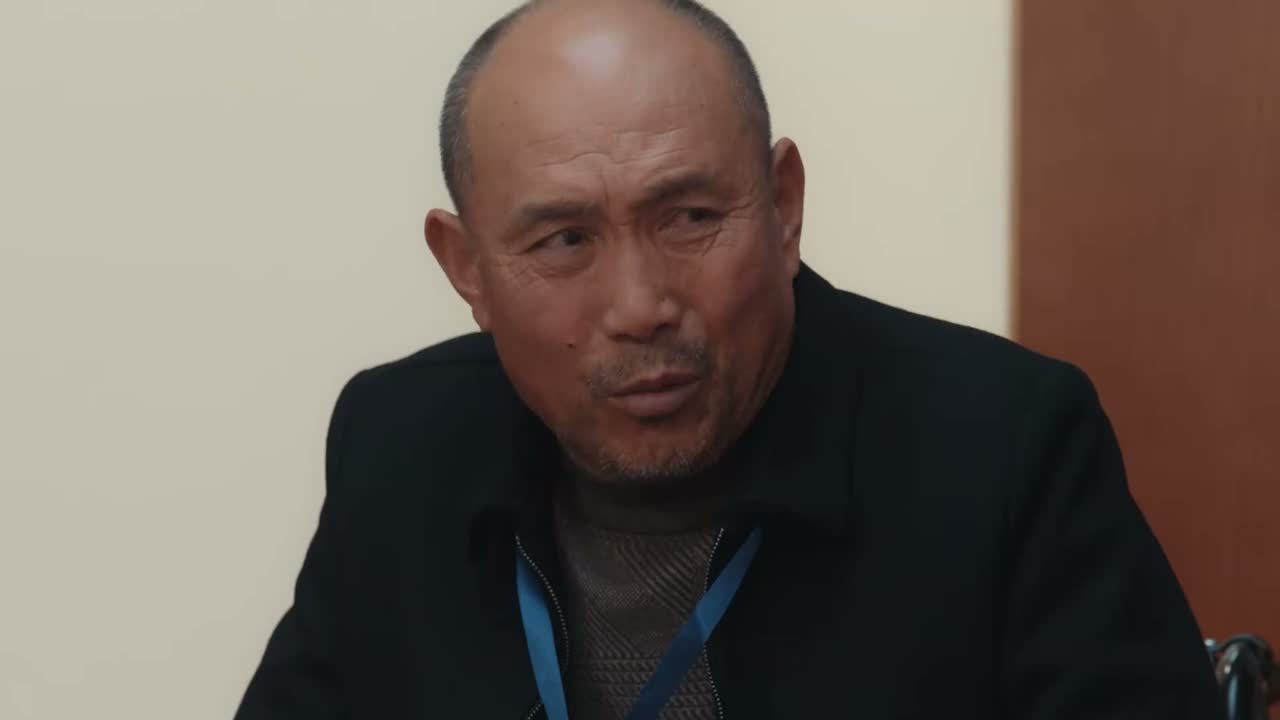
“If he refuses to go, what can any of you do?”

“He's not here? Please understand.”

“I've always been here. No reason.”
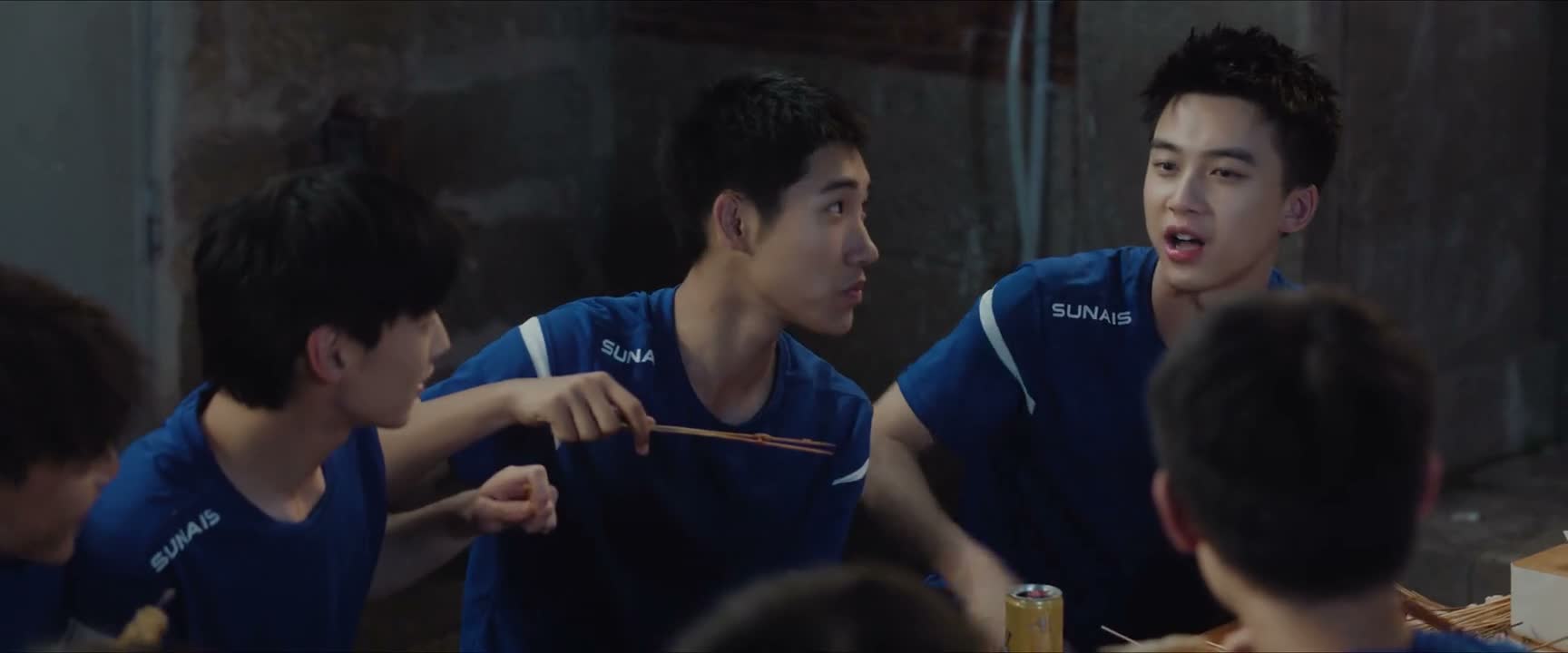
“nobody is allowed to leave! You said it! -You said it! -I said it!”

“He's already dead! How are we going to live the rest of our lives?”

“Did you find them? We're about to leave. Get off now.”