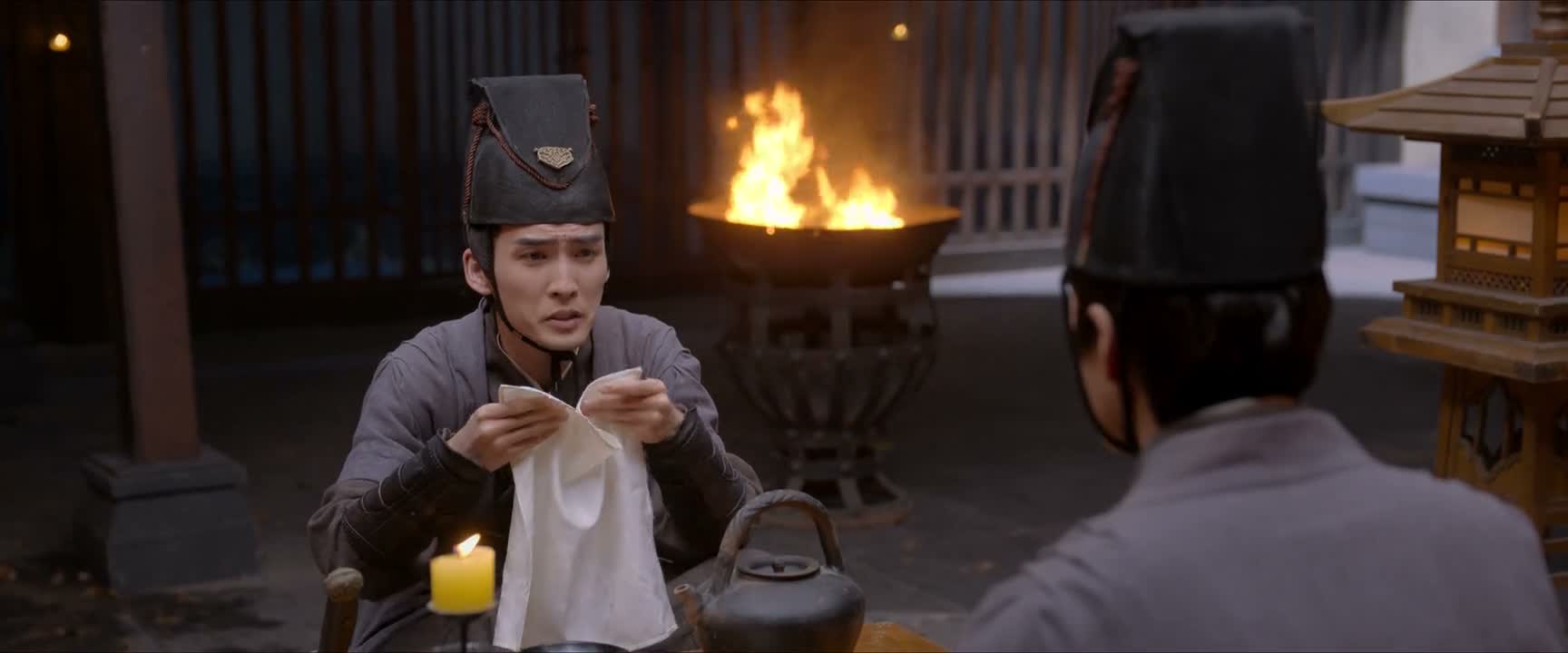
我自己闻着都恶心 让你遭罪了啊
“Even I find the smell disgusting. Sorry for making you suffer.”
THE DIALOGUE REEL
“Buddy, my feet haven't been washed in a long time.”
我 自己 闻着都 恶心 让你 遭罪 了啊
“Even I find the smell disgusting. Sorry for making you suffer.”
这才哪到哪 战场上什么味我没闻过 没关系
“This is nothing. I've smelled everything on the battlefield. It's fine.”
Direct spoken expression in this communicative setting.
In close male friendships in China, bluntly exaggerating one's own shortcomings (like bad smells) is a way to display humility and strengthen camaraderie without stiff formalities.
LEARNING CHUNKS & PARTICLES
to suffer / to endure hardship
A lively northern spoken term used to describe enduring an unpleasant or painful experience.
nauseating / disgusting
Commonly used in spoken Chinese to express visceral physical repulsion or psychological distaste.
Marks the completed realization of discomfort caused to the other party.
Adds warmth and sympathy, softening the apology into an affectionate acknowledgment.
VOCABULARY & EXPRESSIONS
Parallel Spoken Cinema Scenes (语义近邻切片)

“The thought of that scene makes me sick.”

“What I did disgusted even myself.”

“Why do I smell... smell...”

“You guys are so mushy. That's what makes me want to throw up.”
“fills my heart with content.”
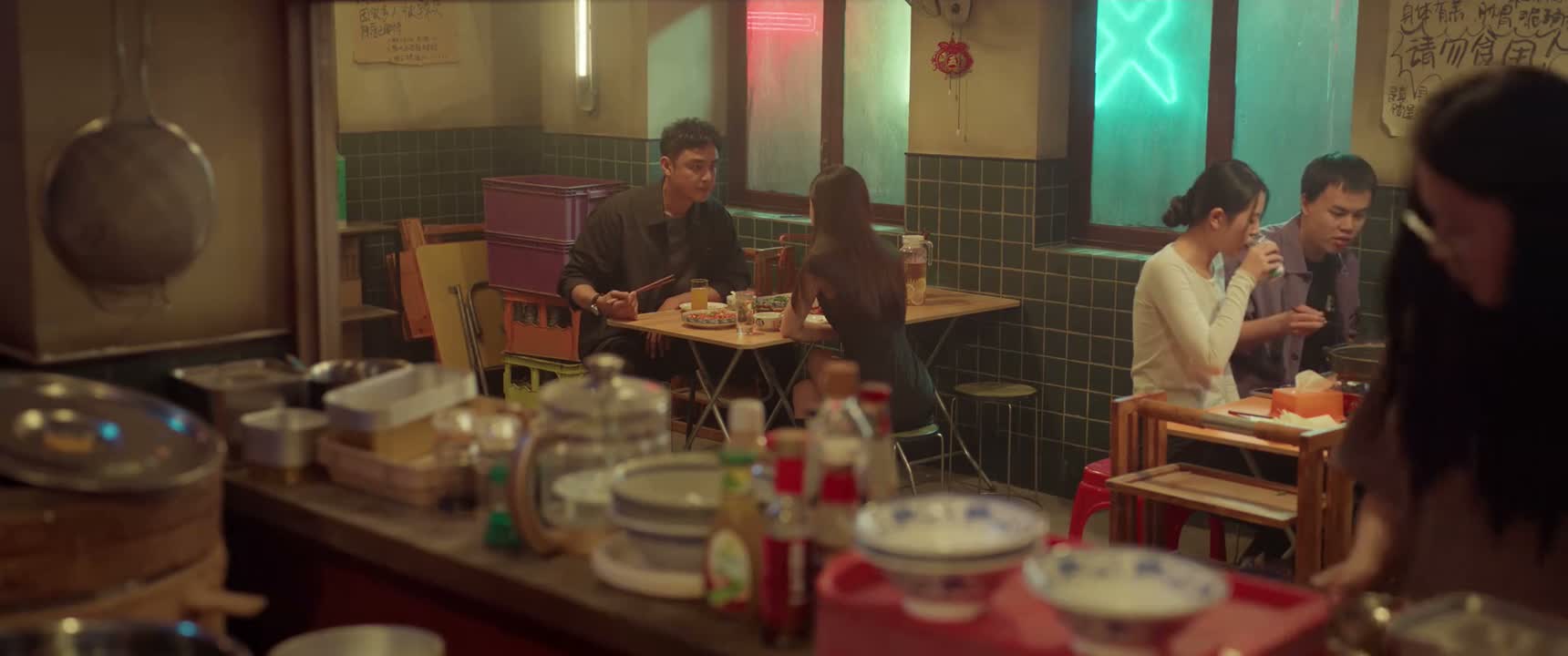
“Ew, that's gross.”