应该也不是第一次同鬼子交手吧
“It shouldn't be your first time fighting the Japanese, right?”
THE DIALOGUE REEL
你呢
“What about you?”
应该 也不是 第一次 同鬼子交手 吧
“It shouldn't be your first time fighting the Japanese, right?”
淞沪会战时期
“During the Battle of Shanghai,”
“I can tell from how you fight that you have faced them before—spill it, where did you serve?”
The term 'guizi' is deeply rooted in modern Chinese historical memory as a derogatory term for Japanese invaders during WWII.
LEARNING CHUNKS & PARTICLES
To cross swords, to engage in combat or competition
Used when describing direct encounters, fights, or competitive clashes with an opponent.
Most likely not... either
A polite, deductive phrasing used to propose an assumption without sounding overly interrogative.
Softens the assumption into an inviting tag question, nudging the listener to confirm.
VOCABULARY & EXPRESSIONS
Parallel Spoken Cinema Scenes (语义近邻切片)
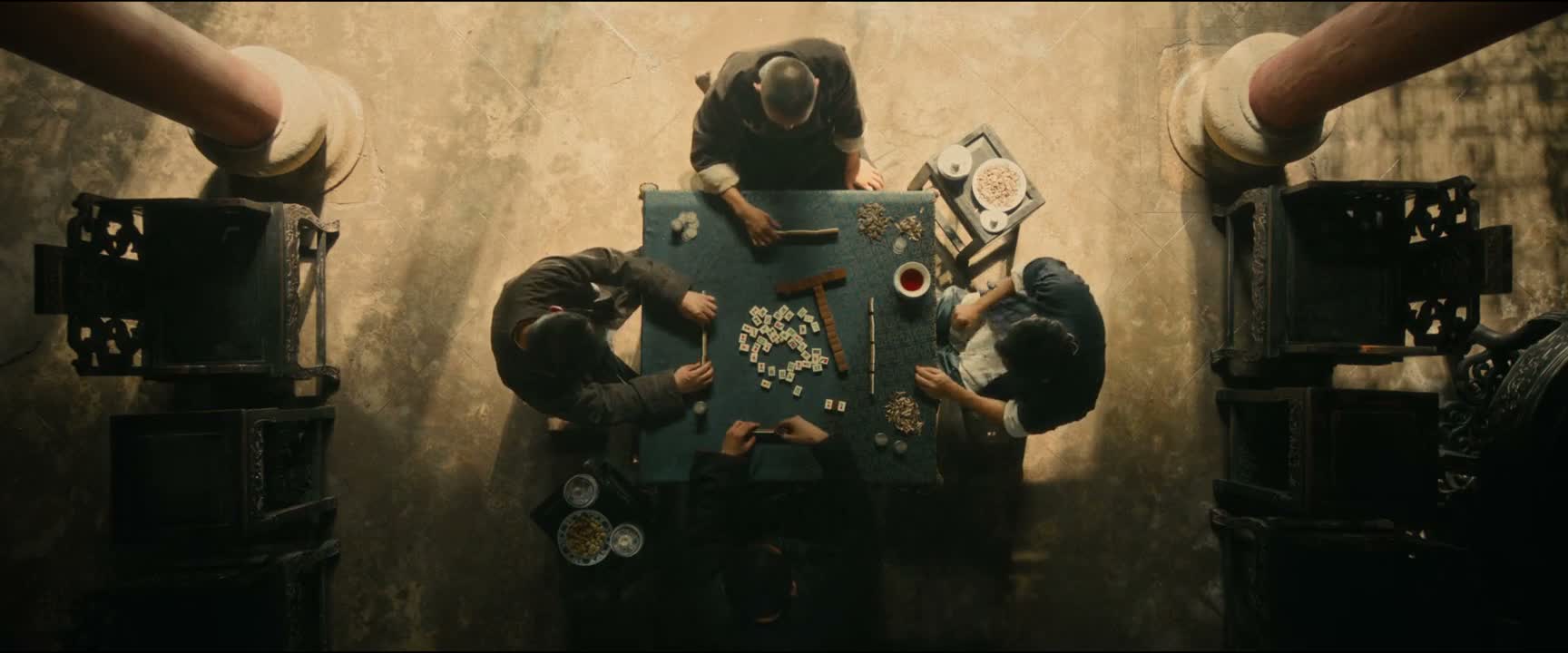
“Don't provoke the Japs for nothing.”

“It wouldn't be the first time anyway. Watch your language. When did I ever...”

“The first time I went to battle,”

“Aren't you Japanese military?”

“Japanese soldiers sure are hateful.”
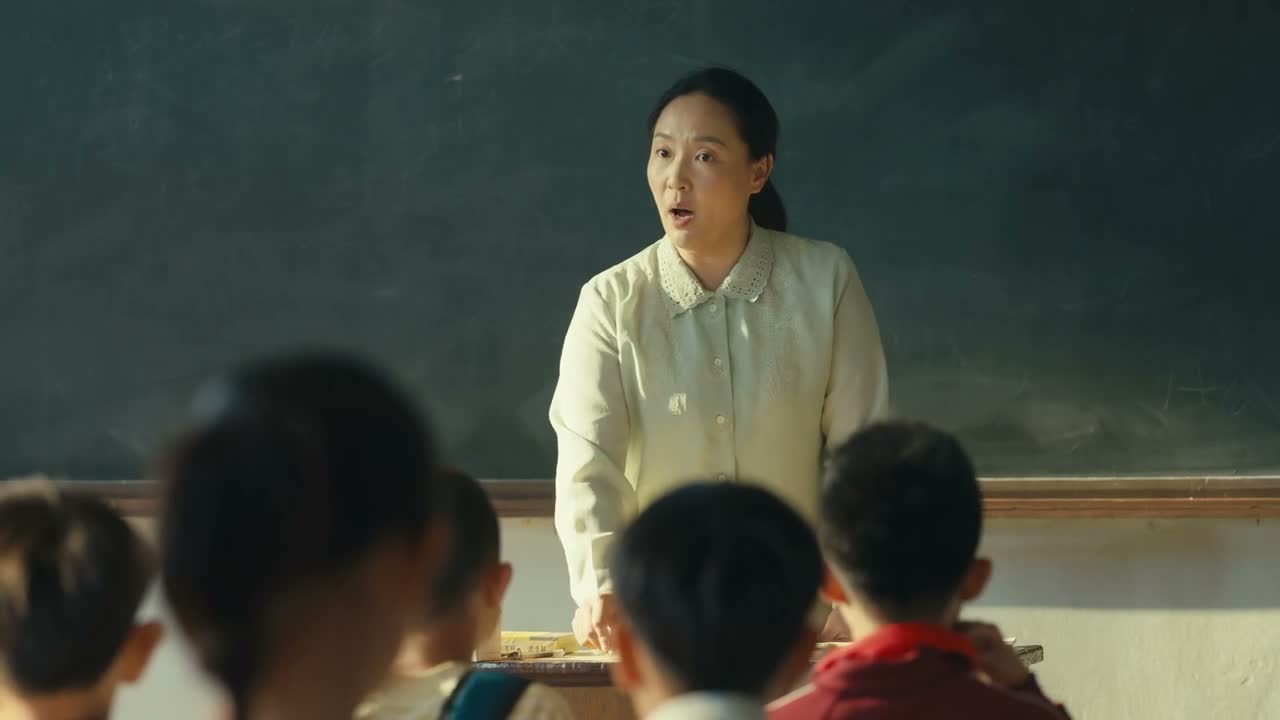
“They might even be enemies or spies.”