可否介绍一下 没问题呀 请坐
“that you could introduce to me. No problem. Please have a seat.”
THE DIALOGUE REEL
正好 想问问你 有没有什么生漆的商人
“Also, I wanted to ask if you know any raw lacquer merchants”
可否 介绍一下 没问题 呀 请坐
“that you could introduce to me. No problem. Please have a seat.”
何掌柜
“Mr. He.”
Direct spoken expression in this communicative setting.
Business connections in Chinese culture are often brokered via mutual intermediaries accompanied by standard hospitality rituals like offering tea and seats.
LEARNING CHUNKS & PARTICLES
could you please; is it possible to
A formal and polite way to formulate a request, softening the directness.
no problem; sure thing
Extremely common affirmative response indicating willing cooperation.
please have a seat
Standard polite hospitality phrasing when receiving guests or starting a meeting.
Softens the affirmative 'no problem', conveying cheerful willingness and warmth.
VOCABULARY & EXPRESSIONS
Parallel Spoken Cinema Scenes (语义近邻切片)

“How's it? Is there anything wrong? No.”

“Is this a bad time? No, no, not at all. Well, l-let me introduce you...”

“Could you help me check? No problem. Please wait a moment.”
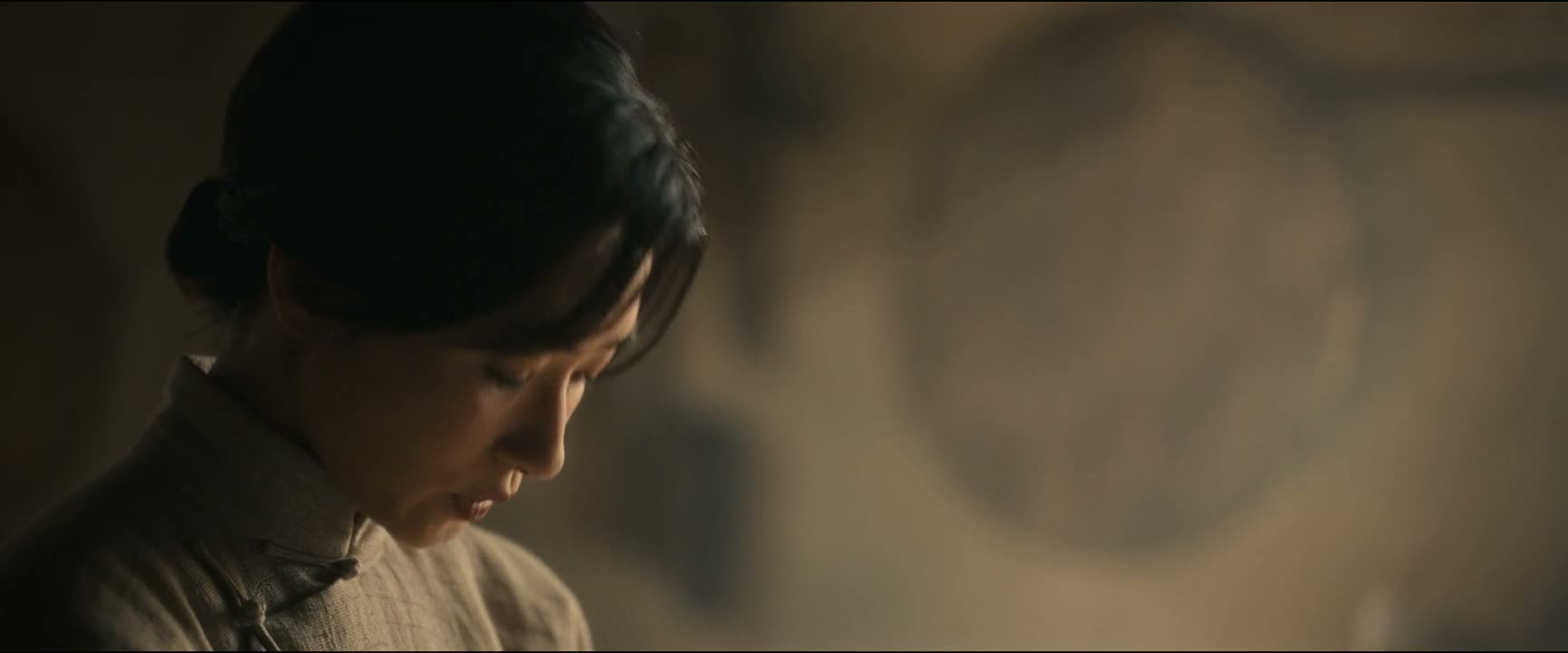
“I was wondering if you could introduce me.”
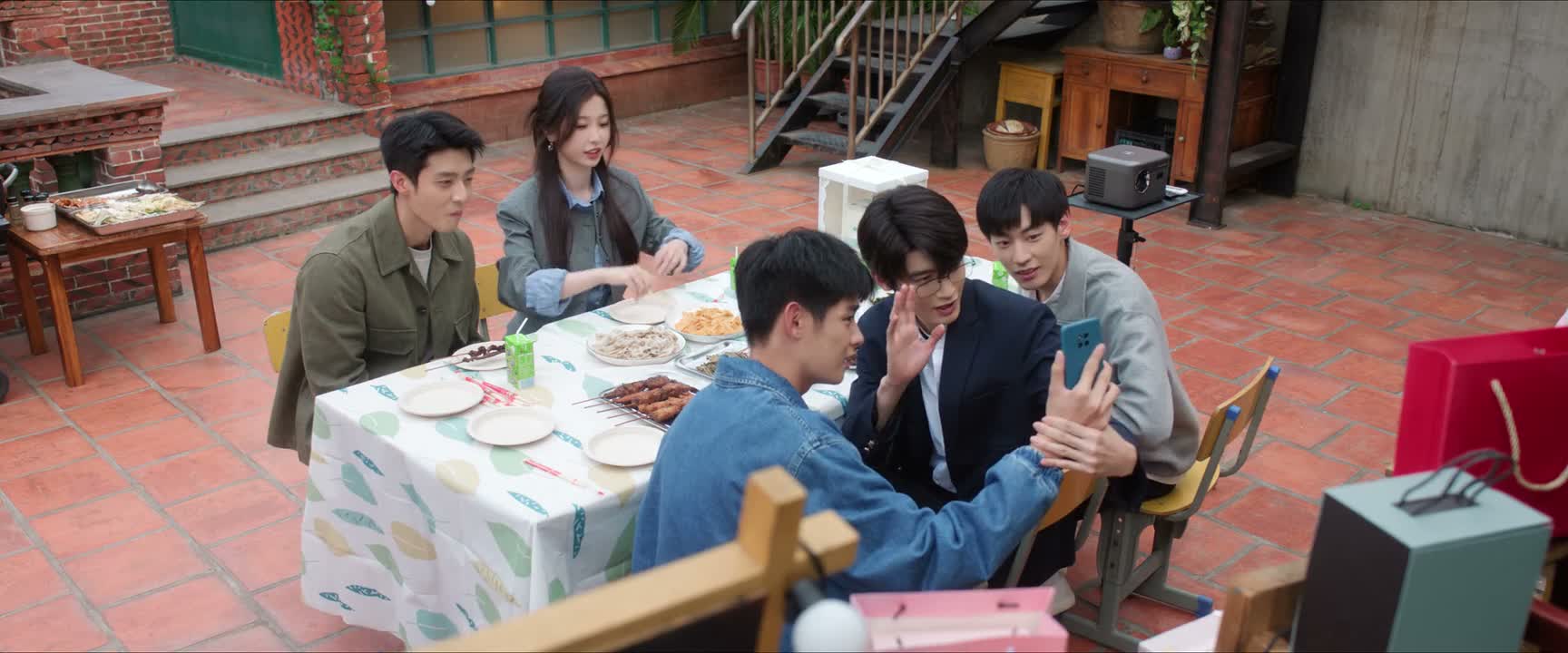
“Hello. Can I try it out? Okay, okay. No problem!”

“Hello. Have a seat. I dare not.”