那我不就真的害死你妹妹了吗
“wouldn't I really be killing your sister?”
THE DIALOGUE REEL
如果你说的是真的
“if what you said is true,”
那我 不就 真的 害死 你妹 妹 了吗
“wouldn't I really be killing your sister?”
表弟
“Cousin.”
“I cannot take that action because I will not be responsible for your sister dying.”
Causing an unwarranted death is viewed as incurring severe moral sin and karmic debt, motivating characters to strongly avoid direct blame.
LEARNING CHUNKS & PARTICLES
to cause someone's death; to kill through negligence or wrongdoing
A resultative complement indicating that an action resulted in someone dying.
wouldn't that just mean...?
A rhetorical question pattern used to emphasize an obvious and undesirable logical outcome.
Indicates the realized state of an outcome in the rhetorical hypothetical.
Forms a rhetorical question expecting agreement from the listener.
VOCABULARY & EXPRESSIONS
Parallel Spoken Cinema Scenes (语义近邻切片)
“They killed my sister.”
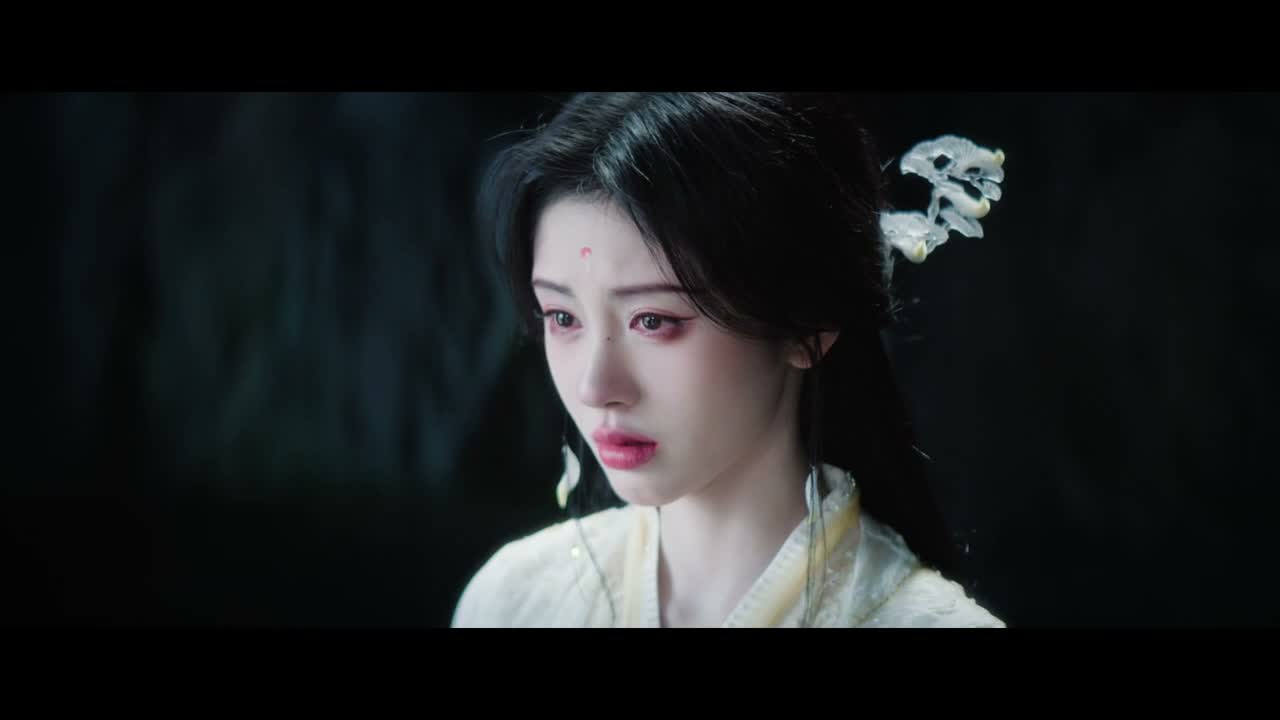
“If I die by your hand,”
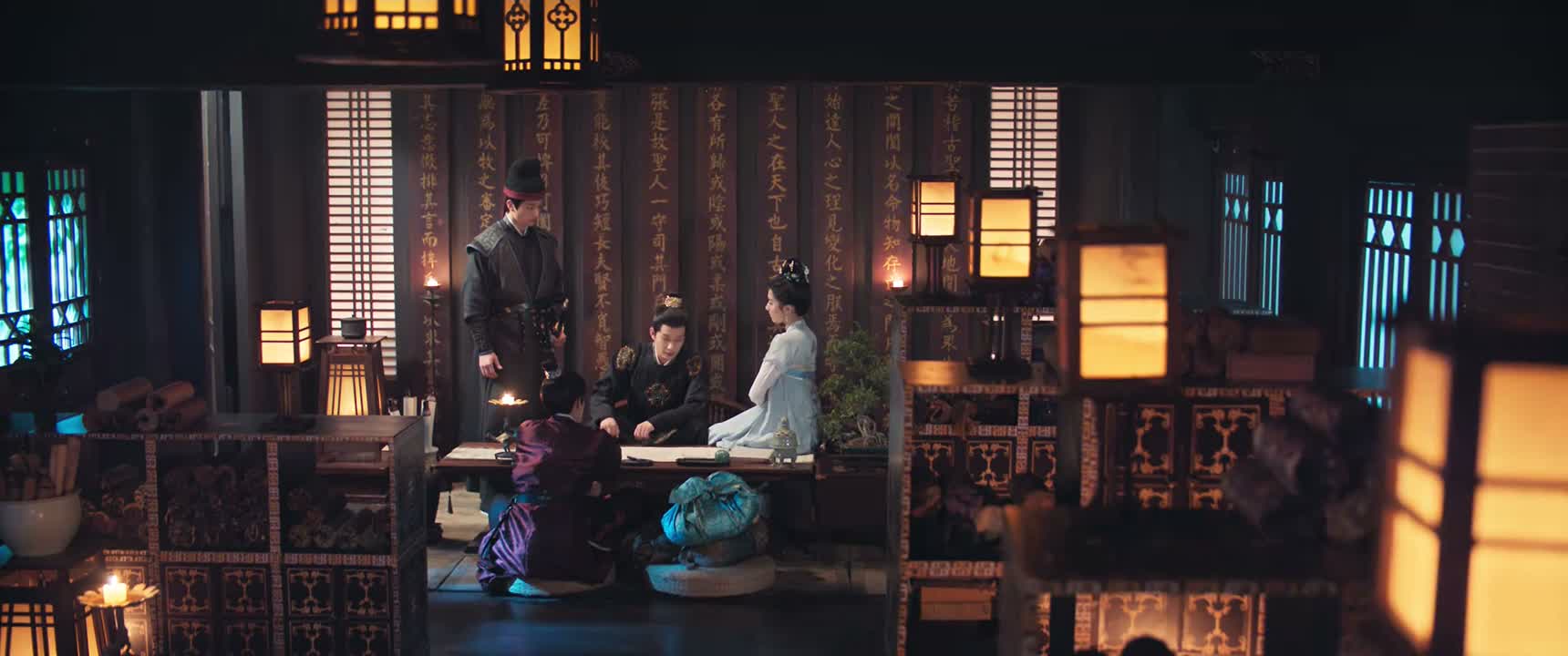
“even if they wanted to profit”

“she killed my child?”
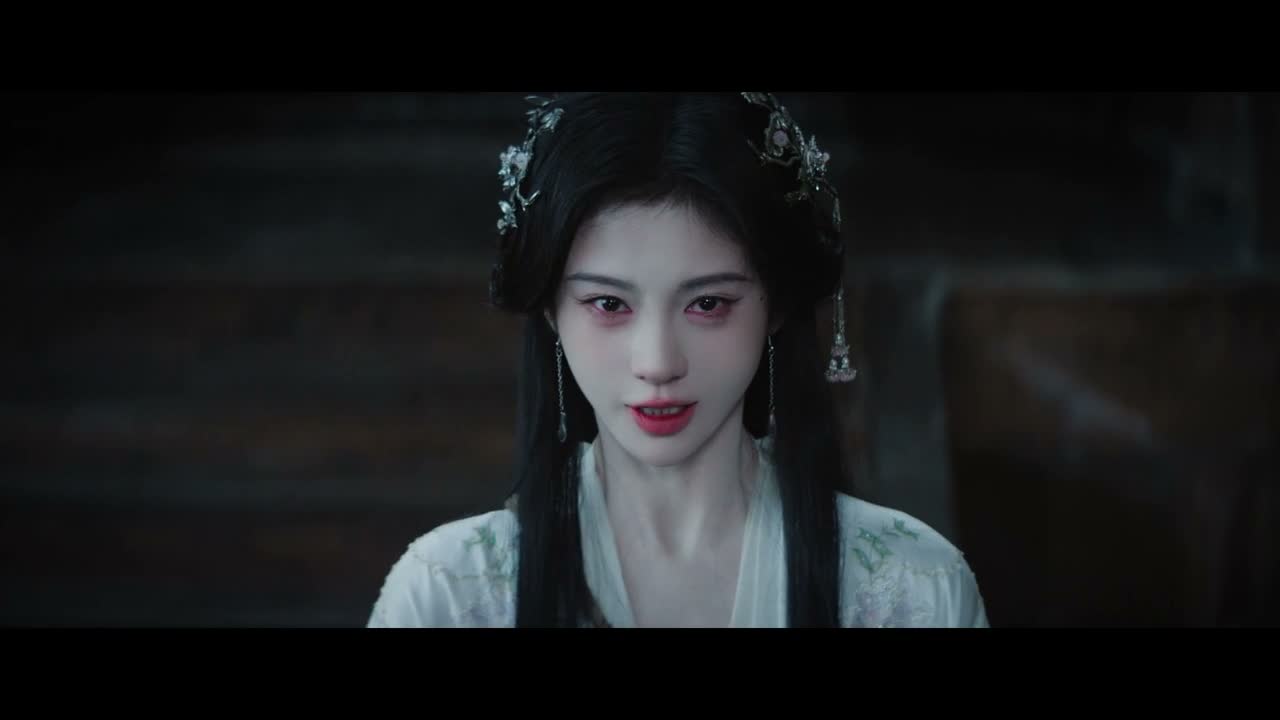
“You killed my sister.”
“You killed my sister.”