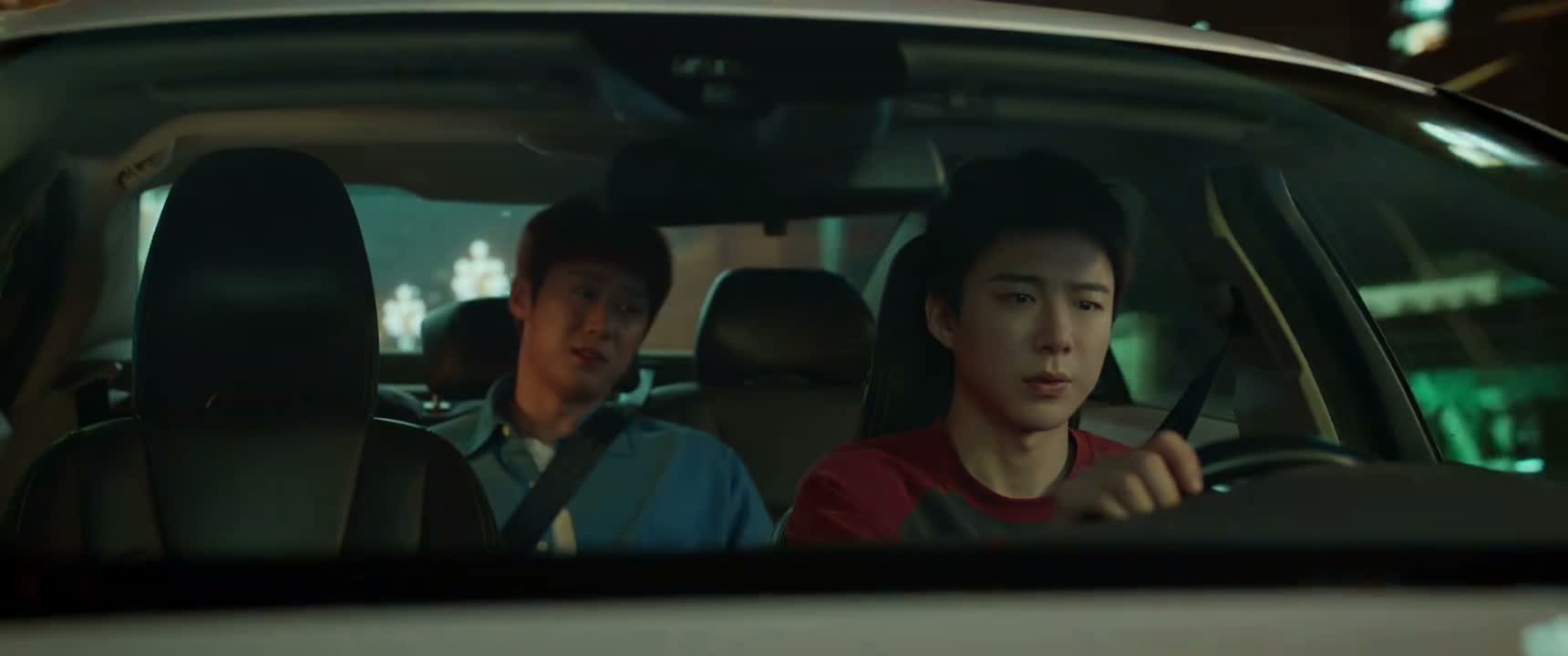
《Wishing Upon the Shooting Stars》 S1·E7 (09:54)
HSK 6
nǐ bú shì gēn bié rén yì qǐ cháo xiào tā ma
你不是跟别人一起嘲笑他吗
“Didn't you laugh at him together with everyone else?”
《Wishing Upon the Shooting Stars》
S1·E7
TIMECODE: 09:54
·
1080P MASTER AUDIO
THE DIALOGUE REEL
[-1] PREVIOUS TURN
shì nǐ gēn tā men ba
是你跟他们吧
“Between you and them, right?”
nǐ bú shì gēn bié rén yì qǐ cháo xiào tā ma
CURRENT FOCUS
你不是 跟 别 人 一起 嘲笑他 吗
“Didn't you laugh at him together with everyone else?”
[+1] FOLLOW-UP TURN
nǐ zhī dào tā tīng dào nà xiē huà de shí hòu
“Do you know how painful it was”
Subtitles synced to millisecond timecode
Browse Show Clips →
Scene:
Crisis & Conflict
Function:
CHALLENGING AND ACCUSING
Tone:
CONFRONTATIONAL
Emotion:
ANGER
WHAT THEY REALLY MEAN (PRAGMATIC SUBTEXT)
“Stop pretending to be innocent; you were part of the problem.”
💡 Cultural Insight: Calling Out Mob Mentality
The rhetorical pattern '你不是...吗' directly attacks moral evasion, demanding personal accountability rather than hiding behind group behavior.
INTENT TAGS:
#confrontation
#accusation
#rhetorical_question
#calling_out
🧩
2 CHUNKS · 1 PARTICLES
LEARNING CHUNKS & PARTICLES
嘲笑
SPOKEN CHUNK
to mock / to ridicule
Carries a strong negative connotation describing mean-spirited laughter at someone's expense.
跟别人一起
SPOKEN CHUNK
together with others
Commonly used to describe joining a group dynamic or peer-pressure situation.
Modal Particle「吗」 (ma)
CHANGE OF STATE
Turns the negative statement into a pointed rhetorical question demanding acknowledgment.
🏮
2 EXPR · 10 GRAMMAR
VOCABULARY & EXPRESSIONS
CROSS-CINEMA CORPUS BOARD · PARALLEL SCENES
EXPLORE BY SEMANTIC SIMILARITY
Parallel Spoken Cinema Scenes (语义近邻切片)
《Wishing Upon the Shooting Stars》 S1·E7 (09:54) · Authentic Cinema Dialogue Corpus