我知道我这句话说完你就笑了 但是没关系
“I know you'll laugh at me for saying this. But it doesn't matter.”
THE DIALOGUE REEL
“But keeping the peace has always been my dream.”
我知道 我这句 话说 完你就笑了 但是没关系
“I know you'll laugh at me for saying this. But it doesn't matter.”
我真是这么想的 丁来这案子到今天死三个人了
“I really mean it. Ding Lai's case has already claimed 3 lives.”
“Go ahead and laugh at my idealism, but I am dead serious about this case.”
Expressing lofty ideals like public service can feel naive or performative in peer conversations, so speakers often acknowledge potential ridicule first to demonstrate self-awareness.
LEARNING CHUNKS & PARTICLES
I know / I am aware
Commonly placed at the beginning of an utterance to show empathy or anticipate the other person's reaction.
it doesn't matter / no problem
Used here to preemptively dismiss potential ridicule or discomfort, signaling emotional resilience.
Marks an imminent change of state or reaction triggered immediately upon finishing the statement.
VOCABULARY & EXPRESSIONS
Parallel Spoken Cinema Scenes (语义近邻切片)

“You know how it is. You're joking.”

“You can't laugh after I tell you.”
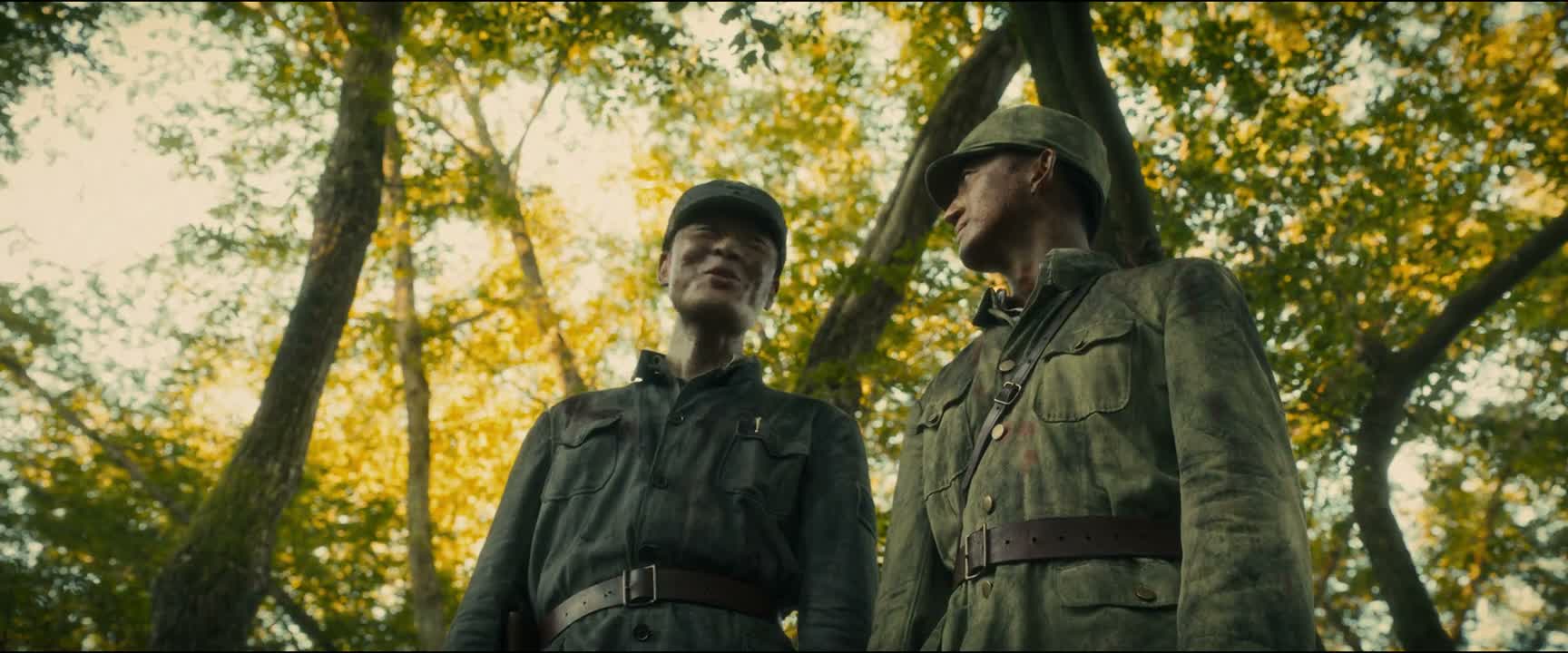
“Don't laugh at me when I tell you. Tell me.”

“I'm just joking.”

“Stop laughing! What is wrong with you guys?”
“(You crack me up!)”