你还觍着个大脸说 你还挺有理是吧
“How do you still have the nerve to say that? You actually think you're justified here?”
THE DIALOGUE REEL
不是
“What?”
你还 觍着个大脸 说 你 还挺 有理 是吧
“How do you still have the nerve to say that? You actually think you're justified here?”
“They're clearly trying to arrest you! What does it have to do with me?”
“How dare you act innocent after what you did!”
Accusing someone of '觍着脸' directly attacks their moral dignity and self-respect, indicating an extreme breach of social propriety.
LEARNING CHUNKS & PARTICLES
brazenly; having the shameless audacity
A highly colloquial northern expression used to describe someone showing no embarrassment or shame when they clearly should.
to act as if one is completely justified or in the right
Often used sarcastically to mock someone who refuses to acknowledge their clear fault.
Softens the rhetorical challenge slightly while aggressively demanding agreement or acknowledgment of guilt.
VOCABULARY & EXPRESSIONS
Parallel Spoken Cinema Scenes (语义近邻切片)
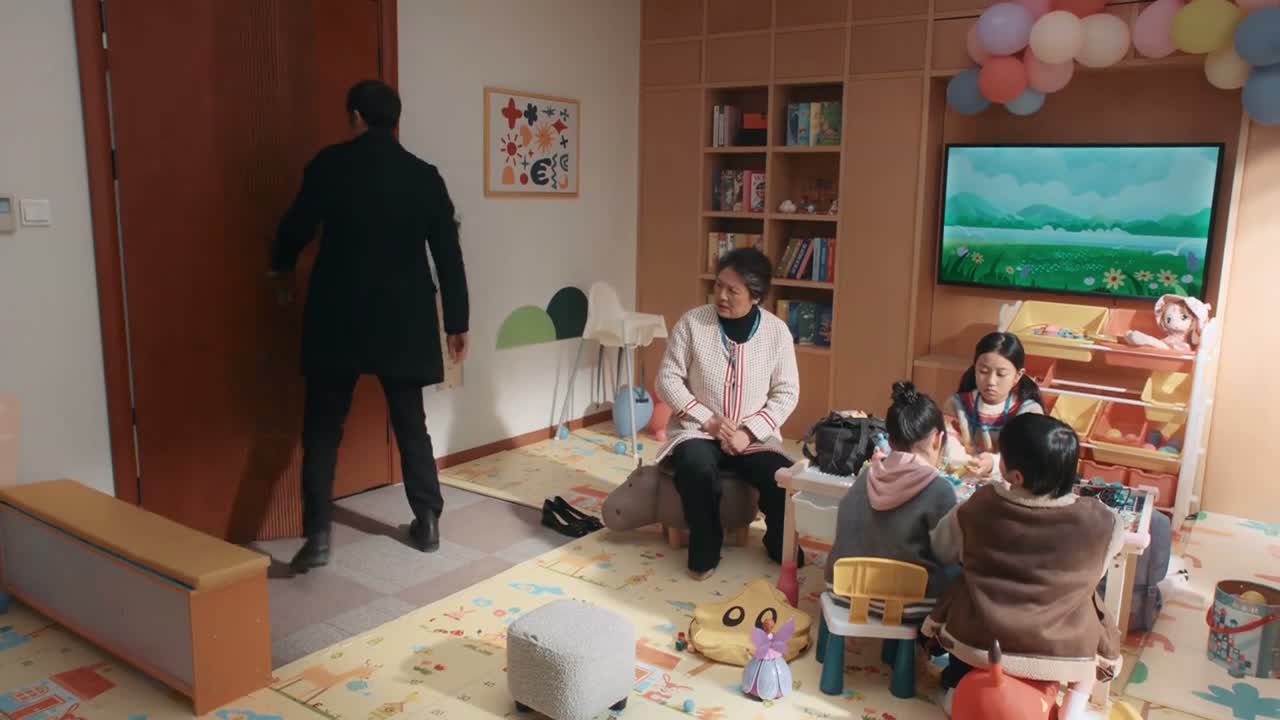
“You still have the nerve to say that.”

“You have the nerve to ask me?”
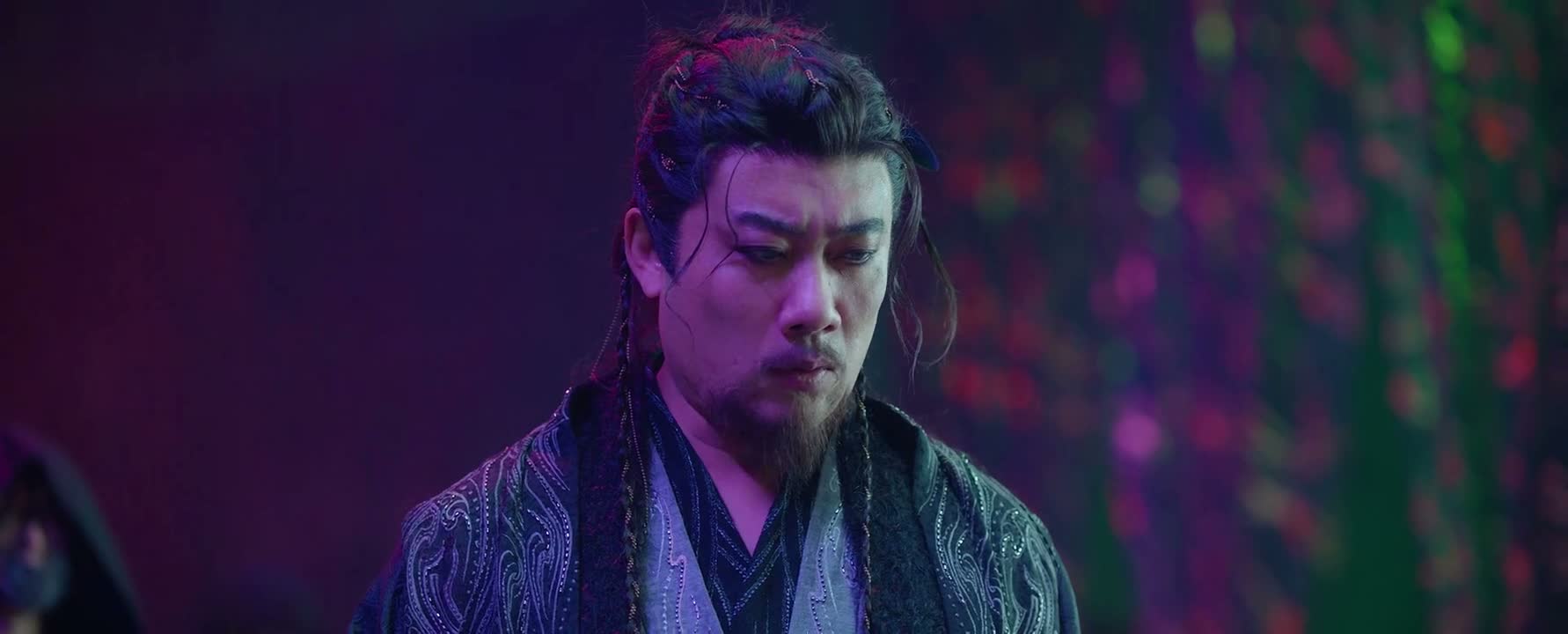
“You have the nerve to ask me?”

“Why the long face? Should you have bitten others?”
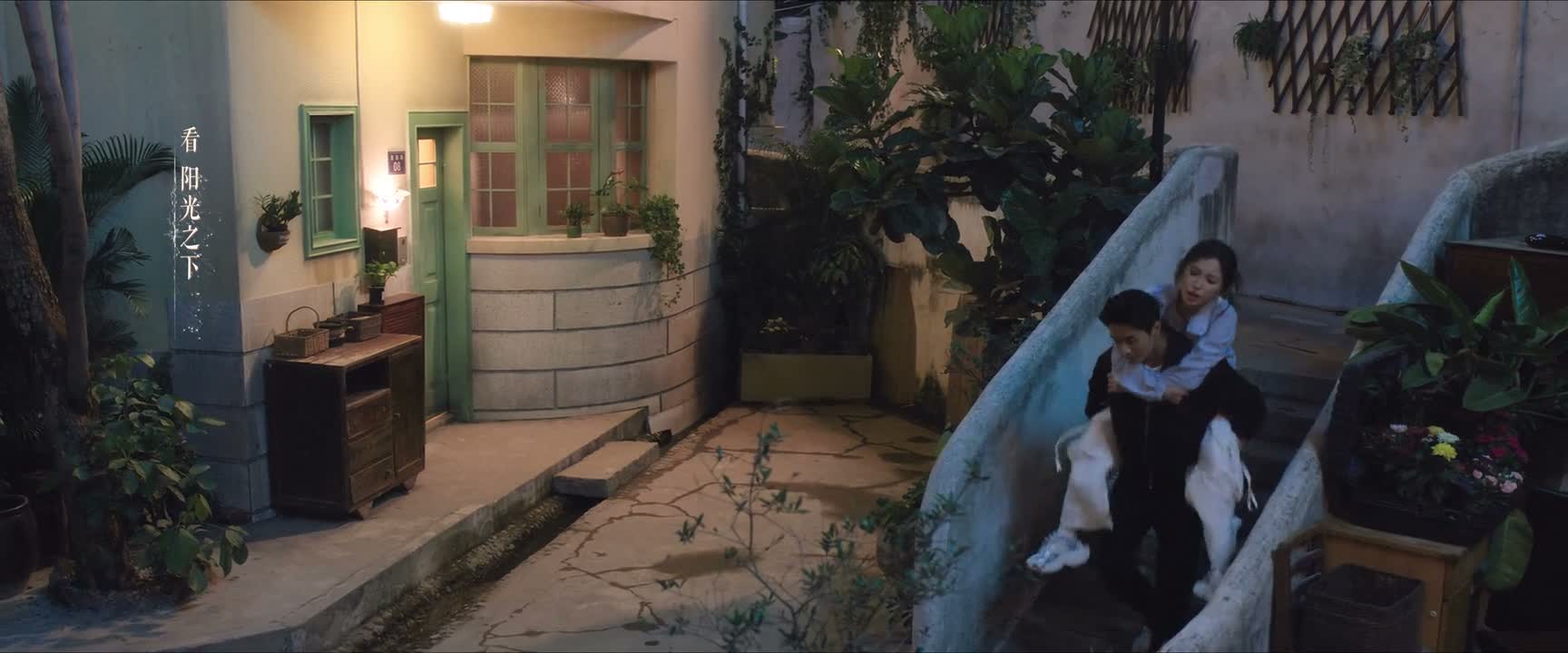
“♪ Look, beneath the sunlight ♪ You're making fun of me at a time like this? ♪ In the dancing specks of dust ♪”

“You really don't care about your own face.”