我不信你 难道你自己不知道为什么吗
“Don't you know why I don't trust you?”
THE DIALOGUE REEL
“I've been too nice to you, haven't I?”
我不信 你 难道 你 自己 不知道为什么 吗
“Don't you know why I don't trust you?”
你私养外室在先 又瞒着春花姑姑倒卖生漆敛财
“You kept a mistress and secretly sold raw lacquer to make money without Aunt Chunhua's knowledge.”
“Stop playing dumb; you know exactly how corrupt and untrustworthy you are.”
Using '难道...吗' in interpersonal conflict forces the accused to acknowledge guilt by highlighting the obviousness of their transgressions.
LEARNING CHUNKS & PARTICLES
don't you know yourself / as if you don't already know
A sharp rhetorical pattern used to point out that someone is deliberately feigning ignorance.
I don't believe you / I don't trust you
A blunt declaration of distrust used in heated arguments.
Marks a rhetorical question that reinforces indignation rather than asking for genuine information.
VOCABULARY & EXPRESSIONS
Parallel Spoken Cinema Scenes (语义近邻切片)
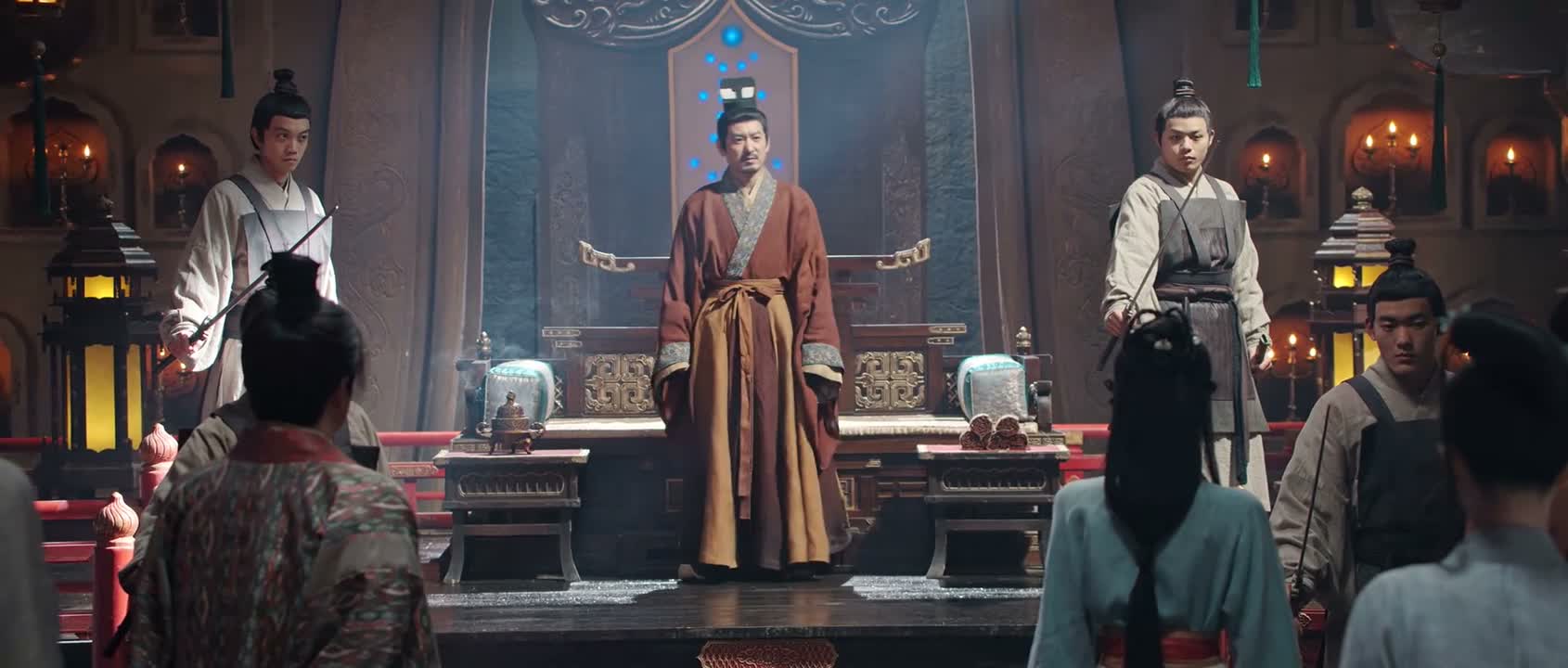
“you don't even trust me now?”

“Why don't even you believe me? It's not that I don't believe you.”
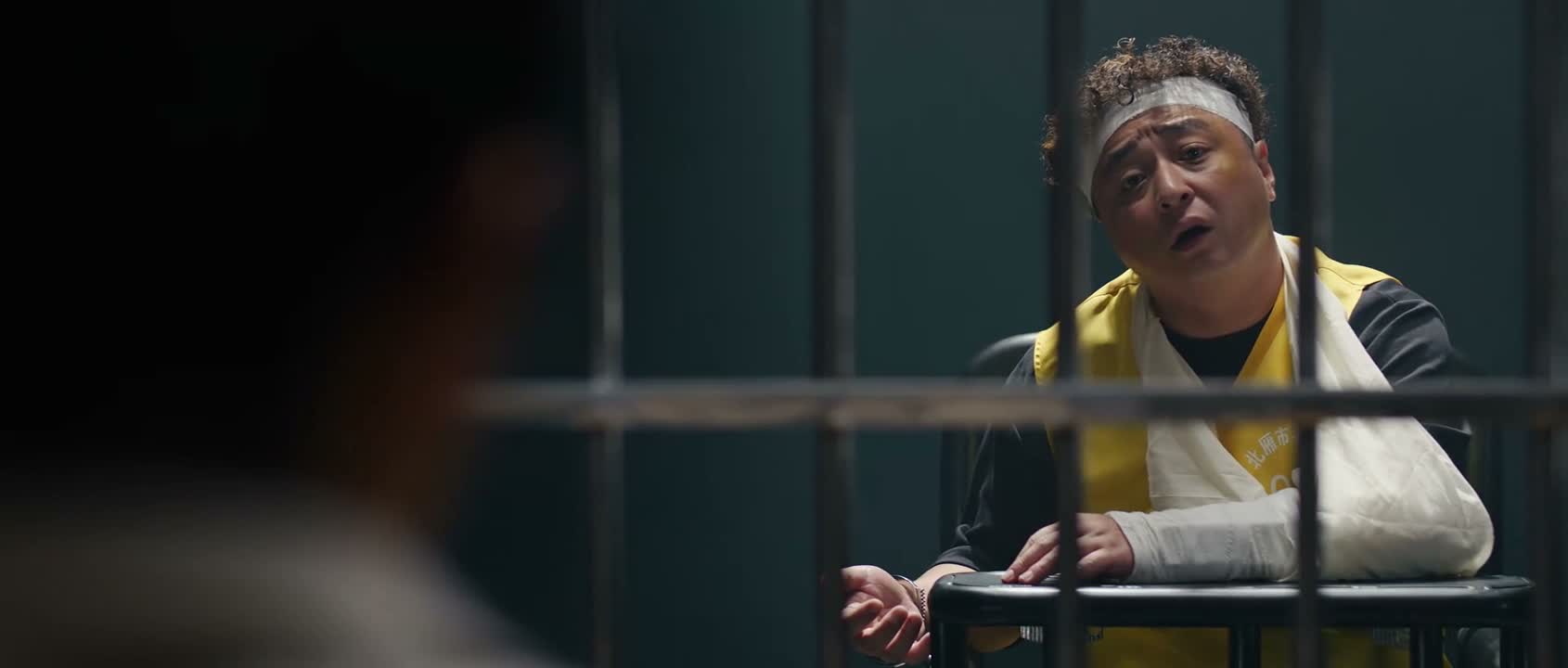
“There's no way you don't know something.”