这种事情说到底 哪有谁对谁错啊
“When it comes down to these things, there's no right or wrong.”
THE DIALOGUE REEL
“I didn't raise her well. It's my fault. Come on.”
这种事情 说到底 哪有 谁对谁错 啊
“When it comes down to these things, there's no right or wrong.”
咱们当家长的 都是一厢情愿 想让两个孩子交朋友
“We, as parents, were just indulging in wishful thinking, wanting the two kids to date.”
“Don't blame yourself; emotional dynamics between kids are too complicated for anyone to be at fault.”
When an interlocutor excessively apologizes ('It is my fault'), Chinese politeness dictates offering a neutralizing perspective ('no one is to blame') to restore balance and preserve interpersonal harmony.
LEARNING CHUNKS & PARTICLES
at the end of the day / when all is said and done
Used to cut through secondary details and highlight the core essence of a problem.
there is no clear right or wrong
A rhetorical phrase commonly deployed to neutralize blame in personal or romantic disputes.
Softens the rhetorical question into a warm, consensus-seeking reminder rather than a harsh challenge.
VOCABULARY & EXPRESSIONS
Parallel Spoken Cinema Scenes (语义近邻切片)

“For all we know, this might be his fault.”
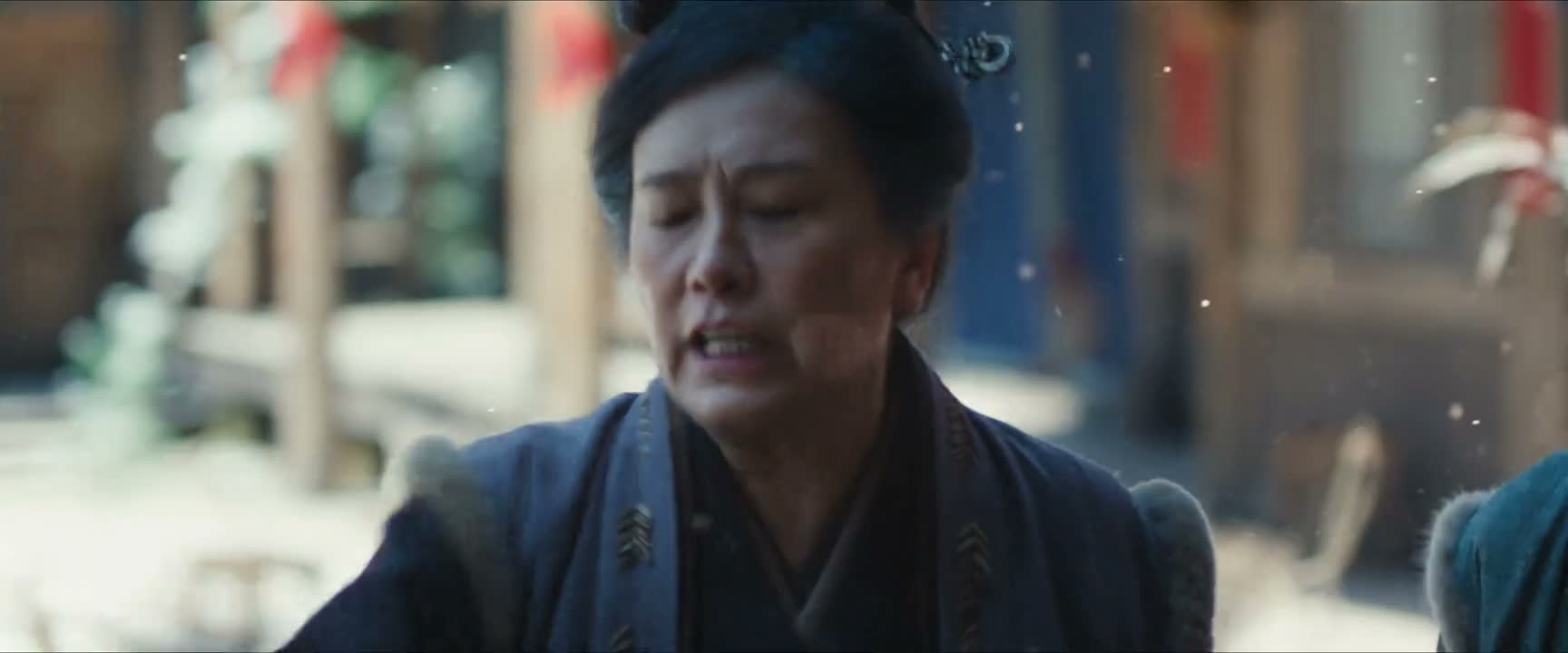
“What did I say wrong?”

“That may sound simple enough,”
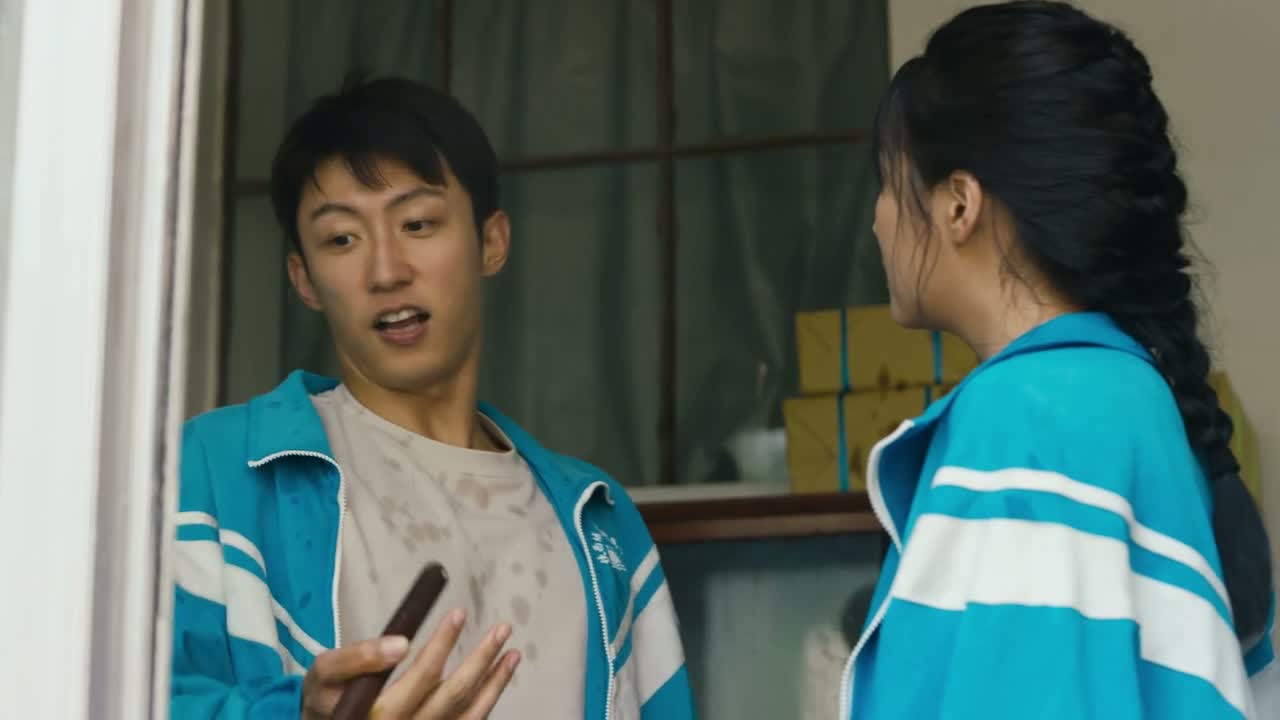
“It was not worth mentioning.”
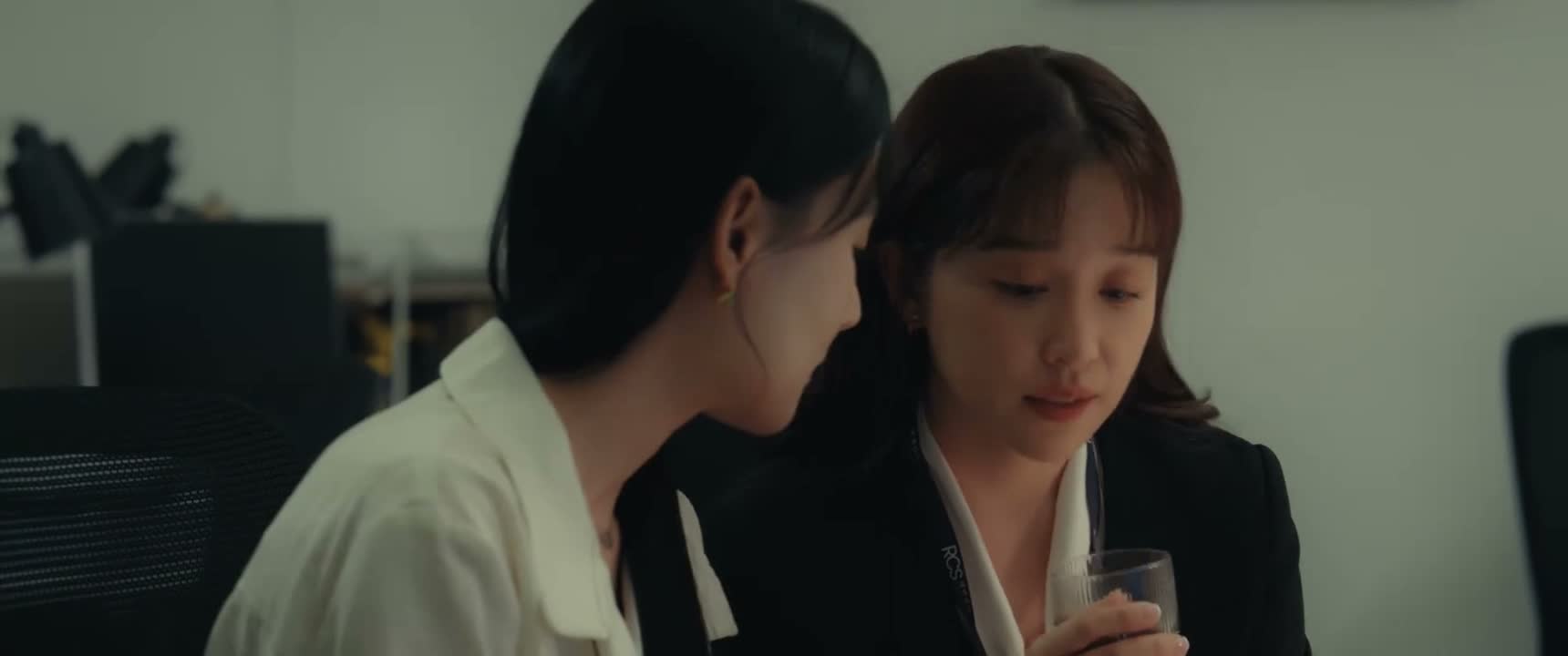
“Whether she's right isn't my concern.”

“That's exactly the problem. You're always right. Completely right.”