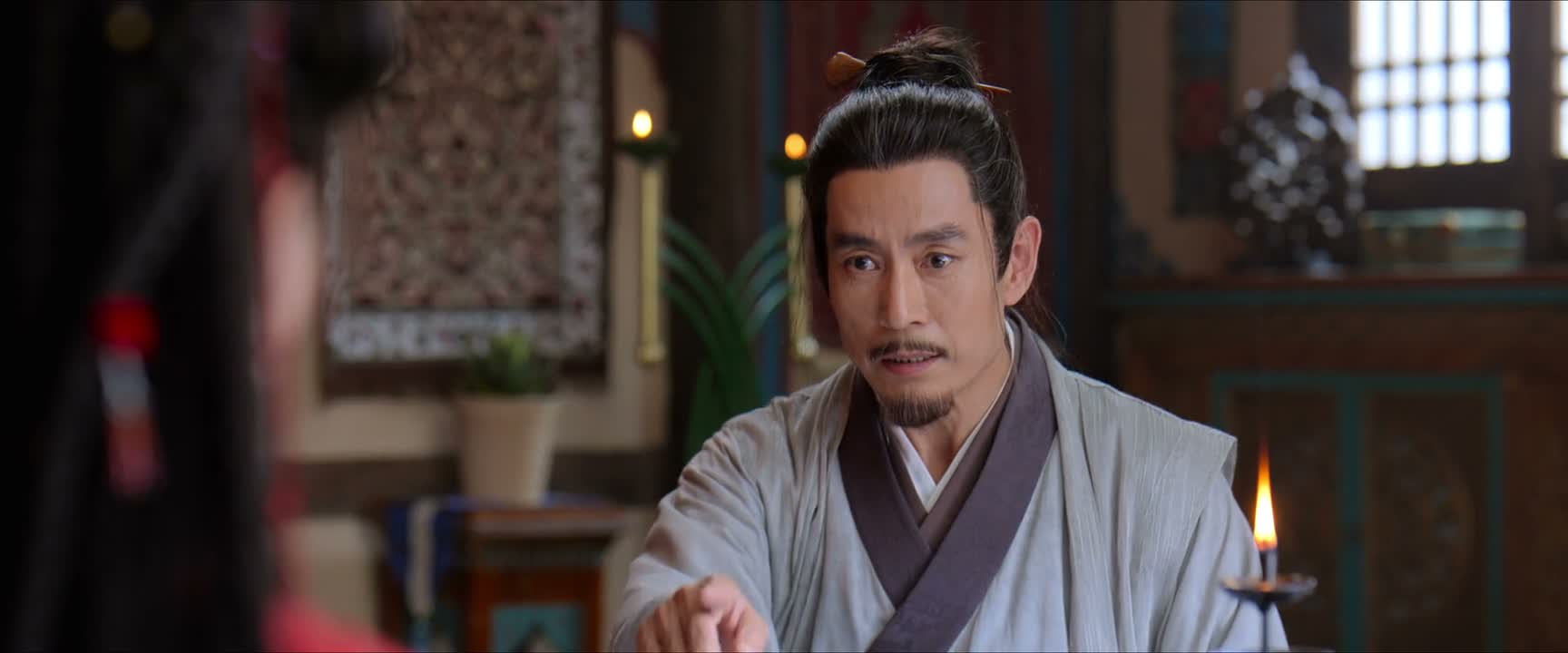
之前不是说你不认识人家吗 你没兴趣吗 给我
“Didn't you say you didn't know him? That you weren't interested? Give it to me.”
THE DIALOGUE REEL
之前不是 说你 不认识 人家 吗 你 没兴趣 吗 给我
“Didn't you say you didn't know him? That you weren't interested? Give it to me.”
不行 你给我
“No way. Give me!”
“Quit pretending you don't care; give it back to me right now.”
Using 'bù shì shuō... ma' is a standard colloquial formula in Chinese to playfully or exasperatedly expose inconsistencies in a companion's claims.
LEARNING CHUNKS & PARTICLES
didn't you say before that...
A classic rhetorical pattern used to confront someone with their own contradictory words.
have no interest in; not interested
Used to express disinterest or indifference toward a topic, person, or activity.
Forms rhetorical questions intended to challenge the listener's apparent contradiction.
VOCABULARY & EXPRESSIONS
Parallel Spoken Cinema Scenes (语义近邻切片)

“I don't know them. You don't? Do you know them? Speak! Don't hit him!”

“Do you not know any of these people?”
“People you know and people you don't,”

“Do you know him? No.”

“How could you possibly not recognize me?”

“And even if I did see it, I wouldn't be able to read it anyway.”