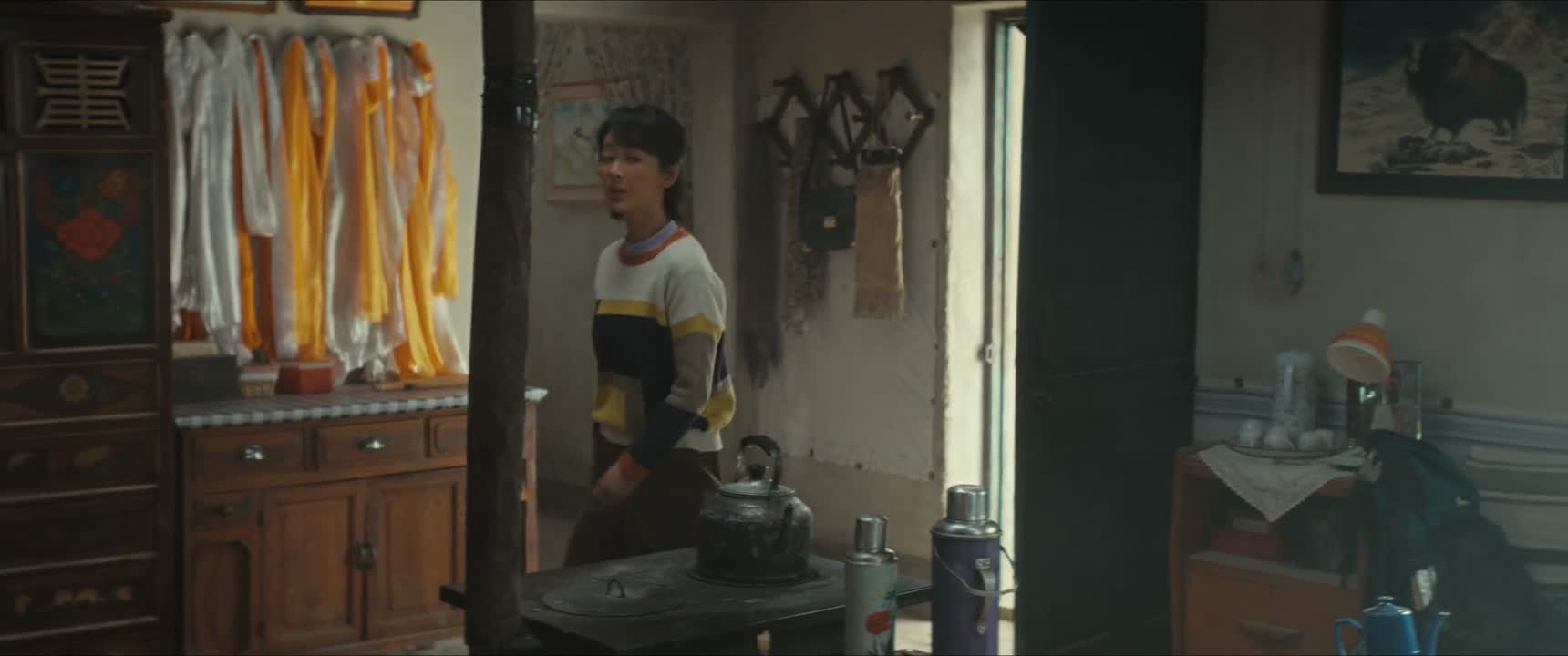
《Wishing Upon the Shooting Stars》 S1·E4 (10:45)
HSK 5
tā men zěn me kě néng shì tóng yī gè rén ne
他们怎么可能是同一个人呢
“How could they be the same person?”
《Wishing Upon the Shooting Stars》
S1·E4
TIMECODE: 10:45
·
1080P MASTER AUDIO
THE DIALOGUE REEL
[-1] PREVIOUS TURN
dào dǐ zài xiǎng shén me
到底在想什么
“What am I thinking?”
tā men zěn me kě néng shì tóng yī gè rén ne
CURRENT FOCUS
他们怎么可能是同一个人呢
“How could they be the same person?”
[+1] FOLLOW-UP TURN
xiǎo xīn lóu tī ō
小心楼梯喔
“Watch the stairs.”
Subtitles synced to millisecond timecode
Browse Show Clips →
Scene:
Daily Life
Function:
REFUTING
Tone:
INCREDULOUS
Emotion:
DISBELIEF
WHAT THEY REALLY MEAN (PRAGMATIC SUBTEXT)
“That assumption is completely ridiculous and makes no sense.”
💡 Cultural Insight: Rhetorical Questioning for Refusal
Chinese speakers often use rhetorical questions using '怎么可能' to refute statements gently or humorously rather than giving a flat 'No'.
INTENT TAGS:
#denial
#disbelief
#challenging_assumption
🧩
2 CHUNKS · 1 PARTICLES
LEARNING CHUNKS & PARTICLES
怎么可能
SPOKEN CHUNK
how is it possible / no way
A very common rhetorical phrase used to express utter disbelief or outright denial.
同一个人
SPOKEN CHUNK
the same person
Collocation used when comparing identities of individuals.
Modal Particle「呢」 (ne)
CHANGE OF STATE
Softens the rhetorical question while underscoring the speaker's confusion or incredulity.
🏮
3 EXPR · 8 GRAMMAR
VOCABULARY & EXPRESSIONS
COLLOQUIAL EXPRESSIONS:
CROSS-CINEMA CORPUS BOARD · PARALLEL SCENES
EXPLORE BY SEMANTIC SIMILARITY
Parallel Spoken Cinema Scenes (语义近邻切片)

《Wishing Upon the Shooting Stars》 S1·E4 (10:45) · Authentic Cinema Dialogue Corpus