都赖我 都是我的错 我没跟你说
“It's all my fault. I'm to blame. I didn't tell you.”
THE DIALOGUE REEL
说我 你看我
“Me. Look at me.”
都赖我 都是我的错 我 没跟你说
“It's all my fault. I'm to blame. I didn't tell you.”
我算是知道 为什么一直是你在打理俱乐部了
“Now I understand why you've been managing the club all this time.”
“Please do not be upset; I will take all the blame so we can move past this immediately.”
Taking unilateral fault ('都赖我') is a frequent pragmatic tactic in Chinese close working or personal relationships to soothe the other party's ego and preserve relational balance.
LEARNING CHUNKS & PARTICLES
it is all my fault; blame me
A highly conversational, proactive way to accept full blame and defuse an argument.
it's all my mistake
A direct, unambiguous apology used when taking responsibility for an oversight or misstep.
VOCABULARY & EXPRESSIONS
Parallel Spoken Cinema Scenes (语义近邻切片)

“It's all my fault. I'm to blame.”
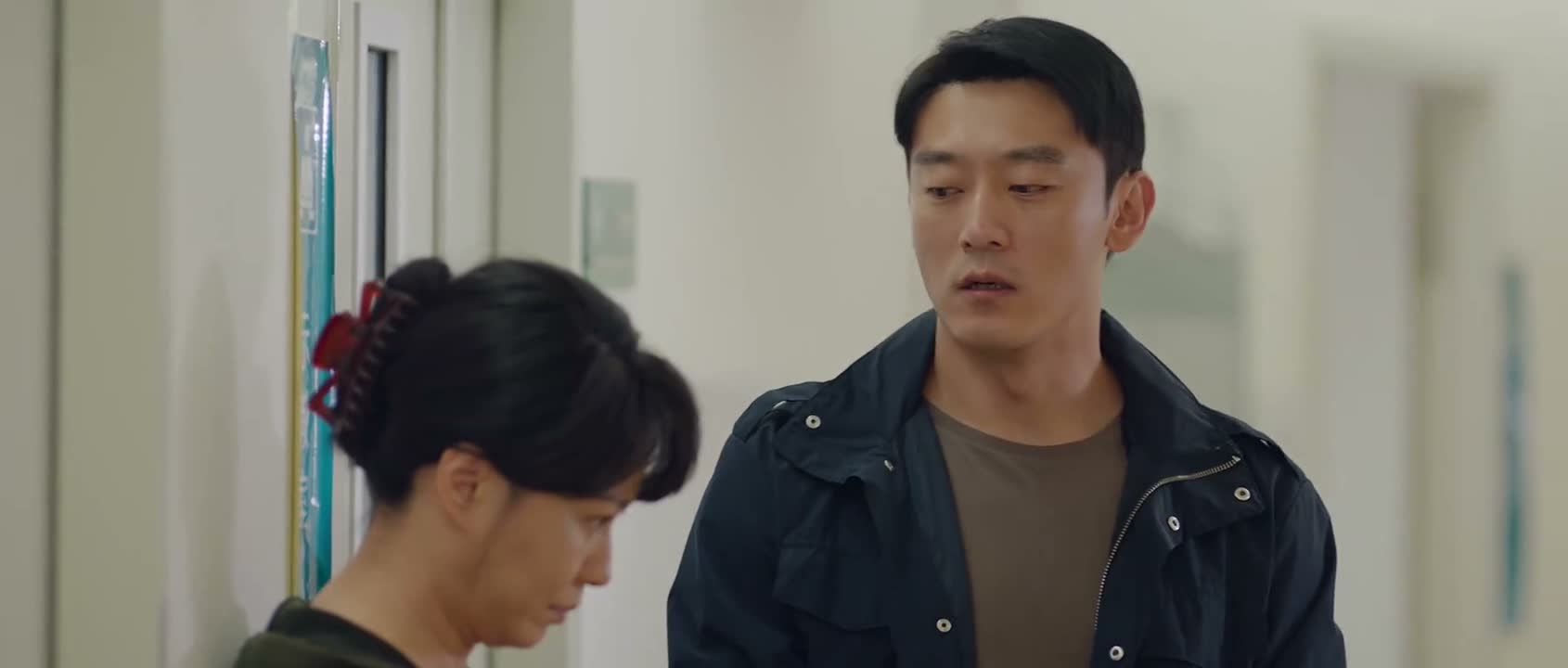
“Mrs. Zhu, this whole thing is my fault.”
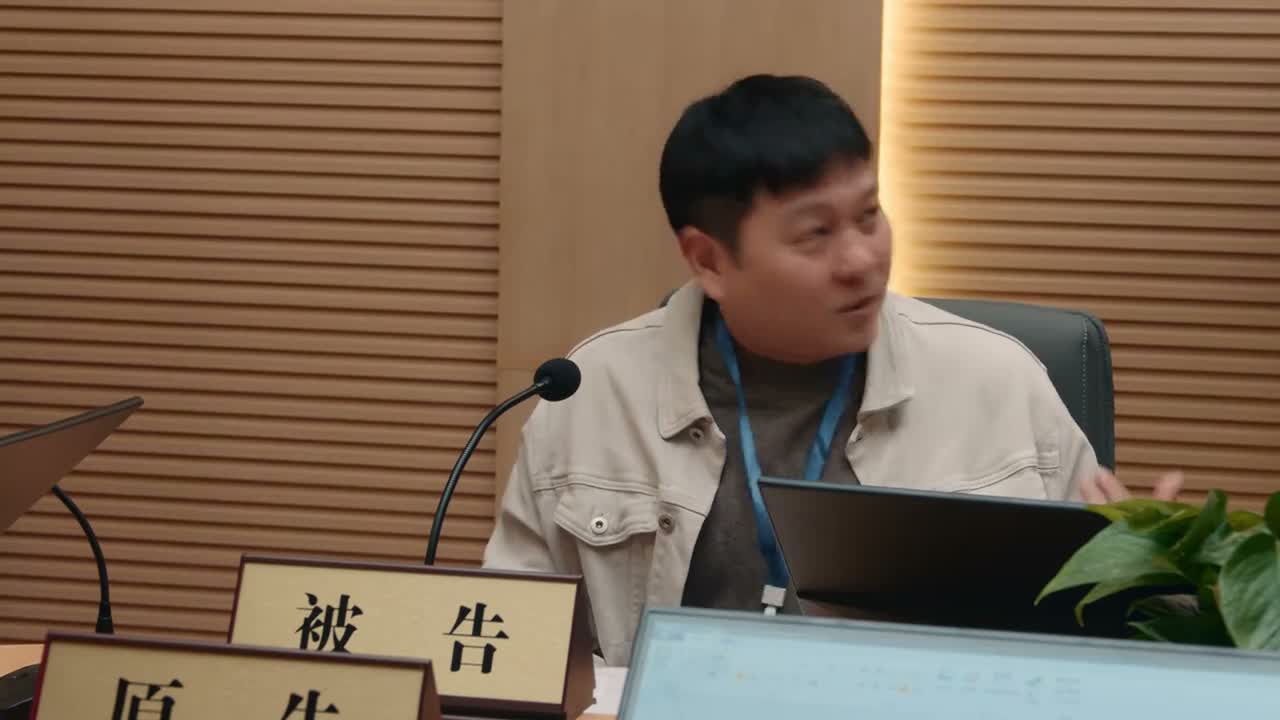
“this is all my fault.”

“I-It's all my fault, because it's all about my business.”