我告诉你 这事我爸知道了 你让他怎么想
“I'm telling you, if my dad knows that, what will he feel?”
THE DIALOGUE REEL
我冷静个屁 我把你当哥哥 你要跟我生孩子
“How can I calm down? I treat you as my brother, but you want me to have a child with you.”
我告诉你 这事 我爸 知道了 你让他 怎么想
“I'm telling you, if my dad knows that, what will he feel?”
我已经跟爸说了
“I've already talked with Dad.”
“You crossed a massive line, and my dad would be disgusted if he found out.”
Invoking a parent's reaction is a potent social lever in Chinese family culture to highlight moral misconduct or breach of accepted roles.
LEARNING CHUNKS & PARTICLES
let me tell you; listen to me
Often used emphatically at the beginning of an utterance to signal anger, warning, or an assertive confrontation.
what [someone] will think
A rhetorical device used to invoke moral judgment or social awkwardness from a third party.
VOCABULARY & EXPRESSIONS
Parallel Spoken Cinema Scenes (语义近邻切片)

“I'm telling you, this won't work. Even selling me wouldn't cover the cost.”

“Let me tell you, don't worry about my private life.”

“Listen up. Don't call me Dad anymore.”
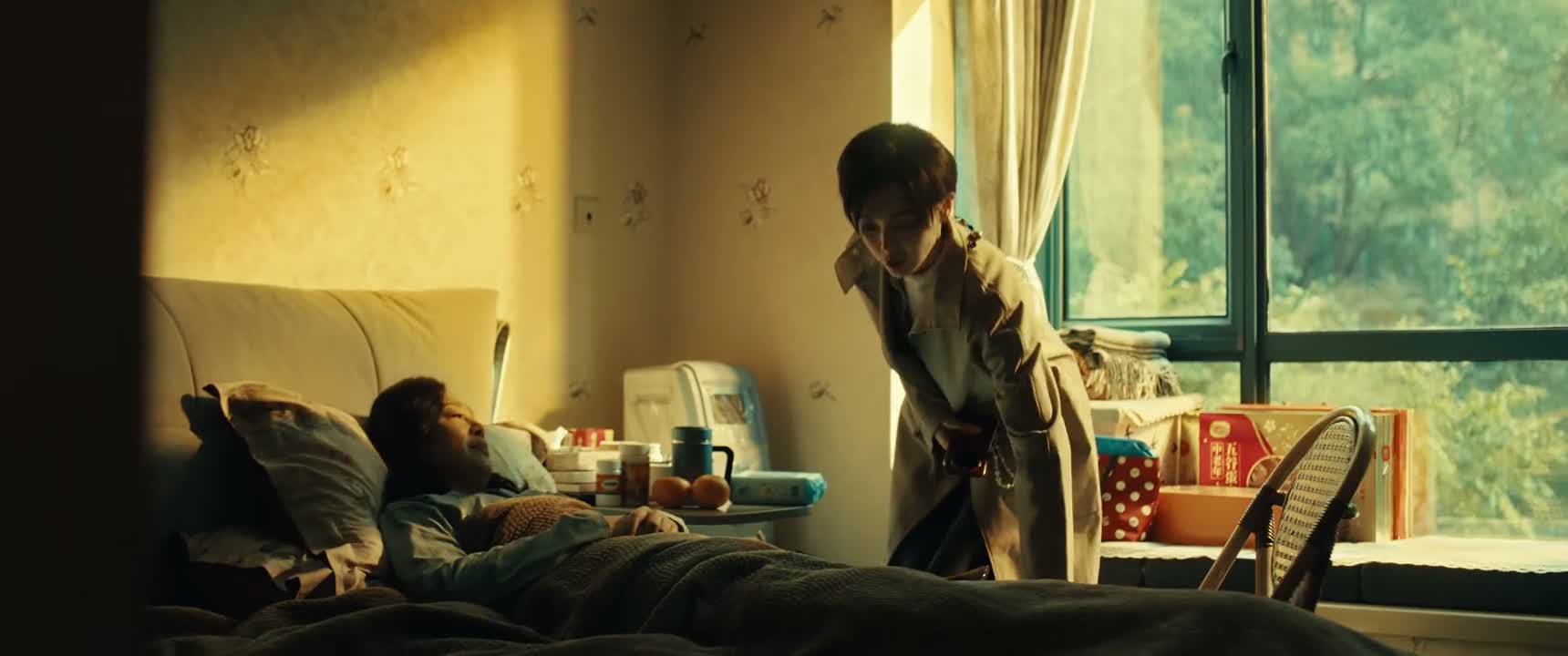
“Your dad wouldn't let me tell you. He said he was afraid it would affect your work.”

“I'm telling you, this is my turf.”

“But don't tell dad about this, or he can't sleep at night”