还有所有害死孤家人的人
“and everyone who killed my family”
THE DIALOGUE REEL
让魏严
“making Wei Yan”
还有 所有 害死 孤 家人 的人
“and everyone who killed my family”
Direct spoken expression in this communicative setting.
In classical and historical Chinese drama, rulers and princes refer to themselves as '孤' (literally 'the solitary one') rather than common personal pronouns to assert royal status and solitary authority.
LEARNING CHUNKS & PARTICLES
to cause someone's death / to harm mortally
A causative resultative verb compound commonly used when someone's intentional malice or negligence leads directly to another person's death.
I / me (royal self-address)
An archaic first-person pronoun reserved strictly for kings, princes, or warlords in historical and dynastic settings.
VOCABULARY & EXPRESSIONS
Parallel Spoken Cinema Scenes (语义近邻切片)
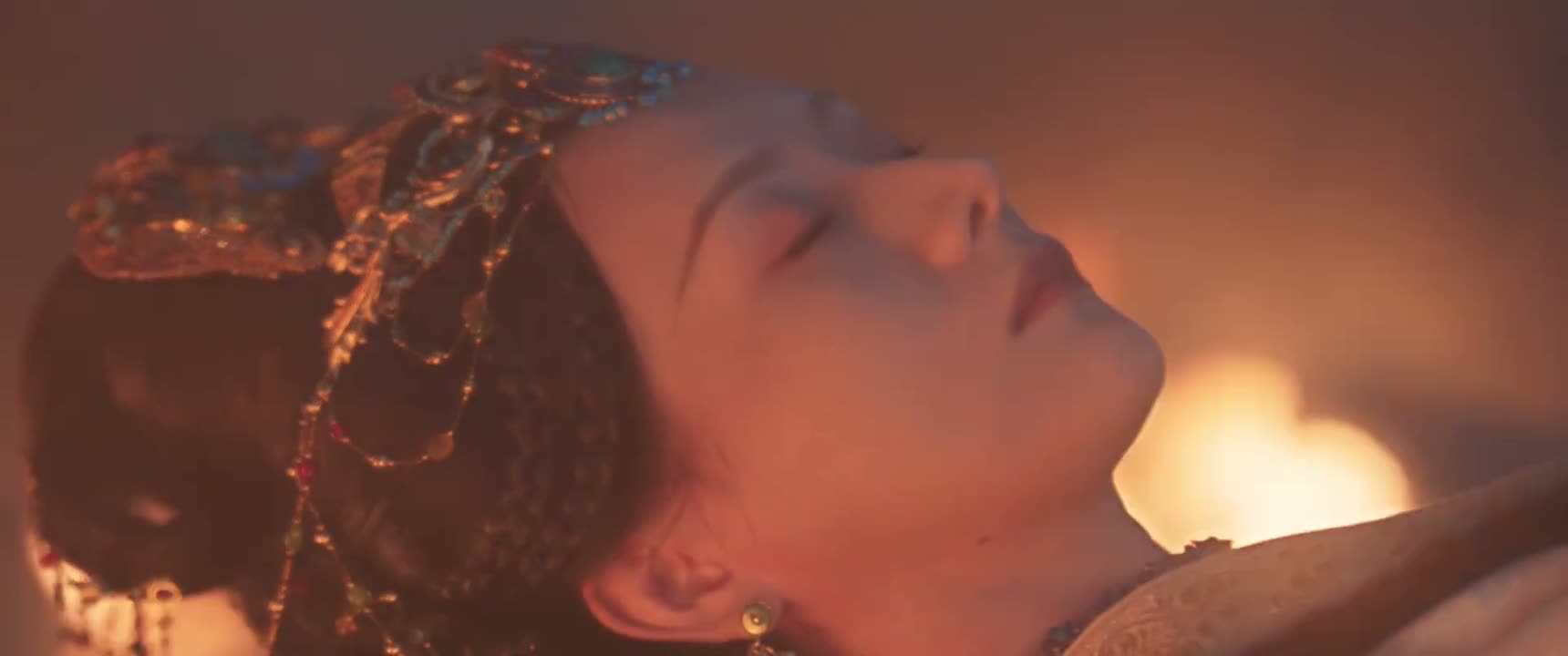
“(I will)”

“You killed your whole family.”

“every last one of my sons dies,”

“You caused the deaths of so many innocent people.”

“He said his whole family is dead.”

“all die.”