MC
MandarinClips Cinema Corpus
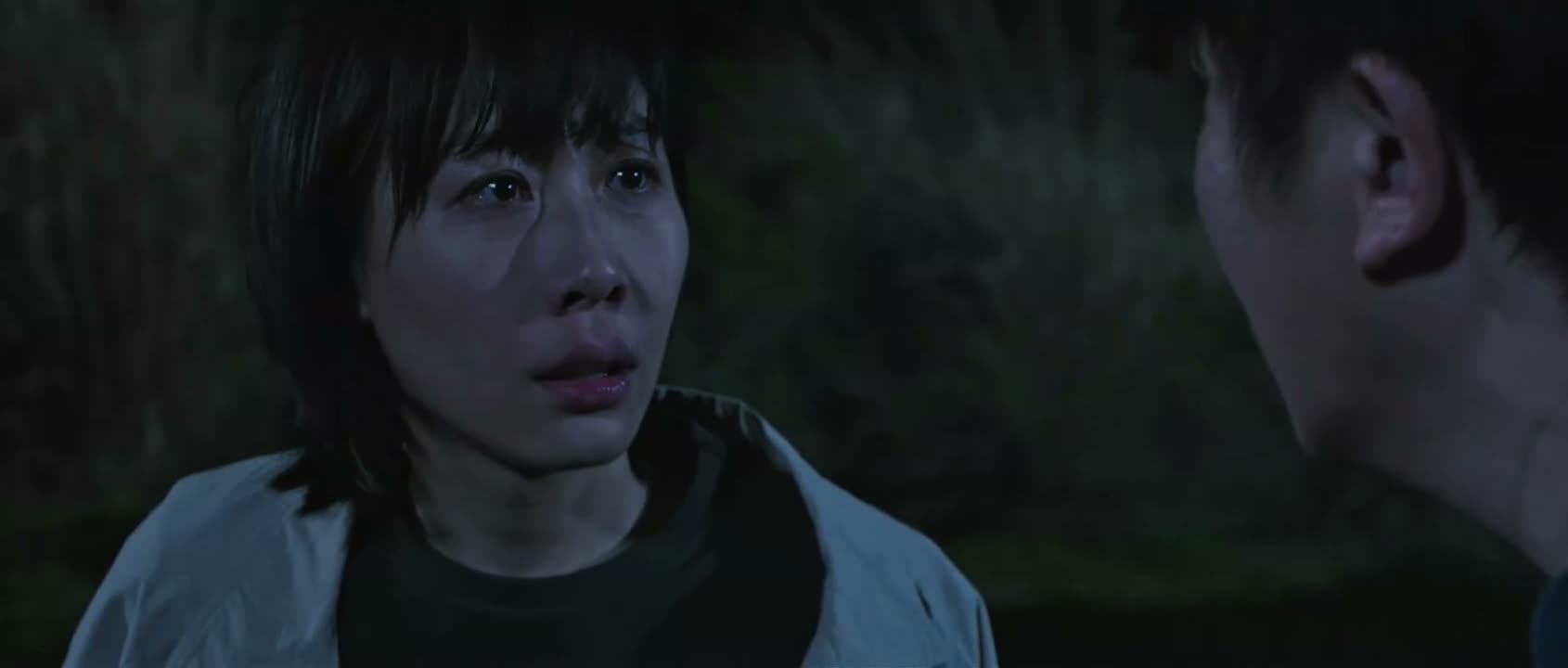
《Wonder Wall》 S1·E16 (29:26) HSK 7
hǎo xiàng bú shì tóng yī bō rén ne

好像不是同一拨人呢

“They are not the same people.”

《Wonder Wall》 S1·E16
TIMECODE: 29:26 · 1080P MASTER AUDIO

THE DIALOGUE REEL

1+1+1 SPOKEN CONTINUITY
[-1] PREVIOUS TURN tā men méi yǒu shōu dào qián

他们没有收到钱

“This one never got the money.”

hǎo xiàng bú shì tóng yī bō rén ne CURRENT FOCUS

好像不是 同一拨人 呢

“They are not the same people.”

[+1] FOLLOW-UP TURN yú míng gěi cuò qián le

余鸣 给错钱了

“Yu Ming, we paid the wrong people.”

Subtitles synced to millisecond timecode Browse Show Clips →
Scene: Crisis & Conflict
Function: IDENTIFYING ERROR
Tone: TENTATIVE
Emotion: CONFUSION
WHAT THEY REALLY MEAN (PRAGMATIC SUBTEXT)
“We messed up badly—we just paid the wrong guys.”
💡 Cultural Insight: Hedging Under Uncertainty

Chinese speakers frequently use softening adverbs like 'haoxiang' combined with final particles like 'ne' when revealing alarming mistakes to lessen immediate panic.

INTENT TAGS: #realization #warning #hedging #deduction
🧩

LEARNING CHUNKS & PARTICLES

2 CHUNKS · 1 PARTICLES
好像不是 SPOKEN CHUNK

seems like it is not / appears not to be

A common conversational hedge to express a sudden, somewhat hesitant realization.

同一拨人 SPOKEN CHUNK

the same crowd / the same group of people

The classifier 'bo' (拨) is specifically used for groups, batches, or crowds of people in informal speech.

Modal Particle「呢」 (ne) CHANGE OF STATE

Softens the assertion and invites the listener to reconsider the unexpected situation.
🏮

VOCABULARY & EXPRESSIONS

2 EXPR · 8 GRAMMAR
CROSS-CINEMA CORPUS BOARD · PARALLEL SCENES

Parallel Spoken Cinema Scenes (语义近邻切片)

EXPLORE BY SEMANTIC SIMILARITY
《Wonder Wall》 S1·E16 (29:26) · Authentic Cinema Dialogue Corpus