这爱斗嘴的老毛病 这么多年还没改过
“This old habit of yours -hasn't changed in all these years. -What's the story between my dad and yours?”
THE DIALOGUE REEL
“You two always bicker in front of the kids.”
这爱 斗嘴 的 老毛病 这么多年 还没 改过
“This old habit of yours -hasn't changed in all these years. -What's the story between my dad and yours?”
我爸跟你爸什么恩怨啊
“-hasn't changed in all these years. -What's the story between my dad and yours?”
“They have been arguing like this forever, and they are never going to change.”
In Chinese family and friendship dynamics, constant harmless bickering ('斗嘴') over decades is often viewed fondly by others as proof of a deep, inseparable relationship.
LEARNING CHUNKS & PARTICLES
to bicker / to squabble playfully
Refers to light, habitual verbal sparring between friends, couples, or family members, not a serious fight.
old habit / chronic flaw
Used to describe a recurring minor bad habit or a chronic physical ailment.
all these years / so many years
Use this time phrase to emphasize how long a state or habit has persisted.
VOCABULARY & EXPRESSIONS
Parallel Spoken Cinema Scenes (语义近邻切片)

“You two always bicker in front of the kids.”
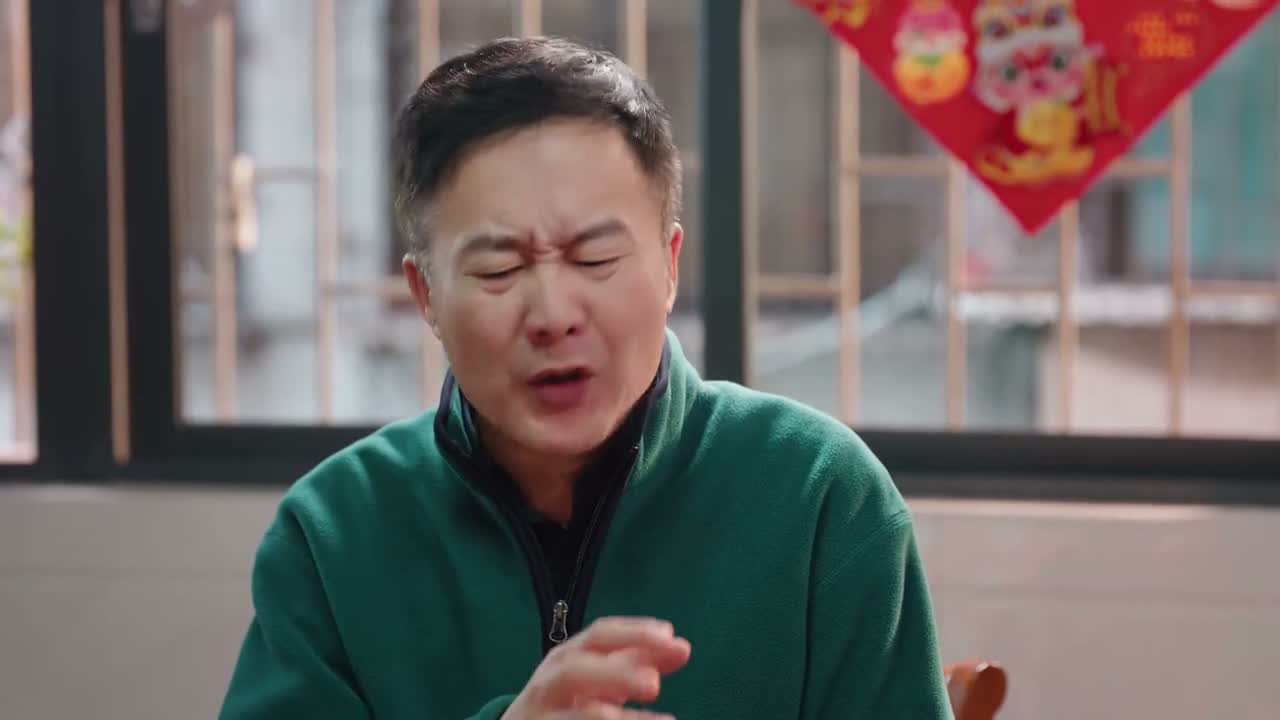
“I couldn't help myself from bragging.”
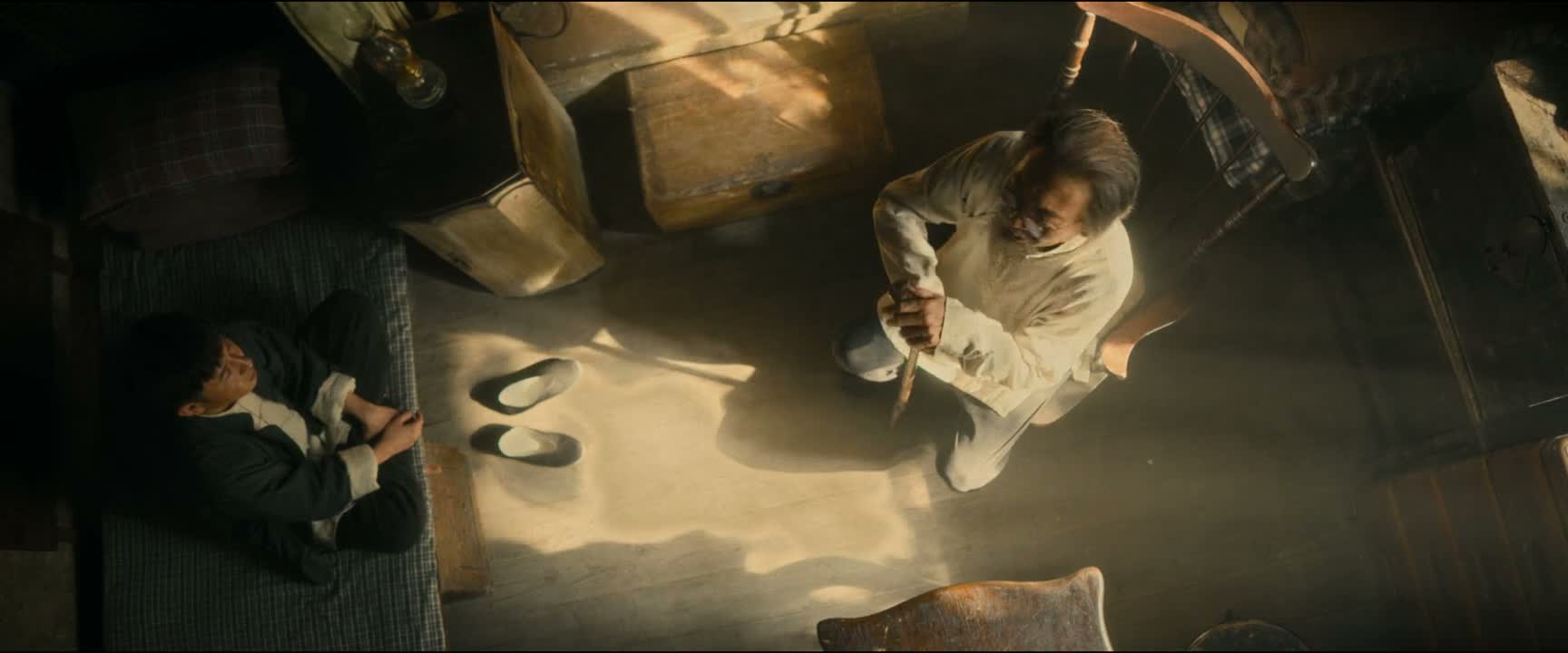
“My old habit flared up again.”
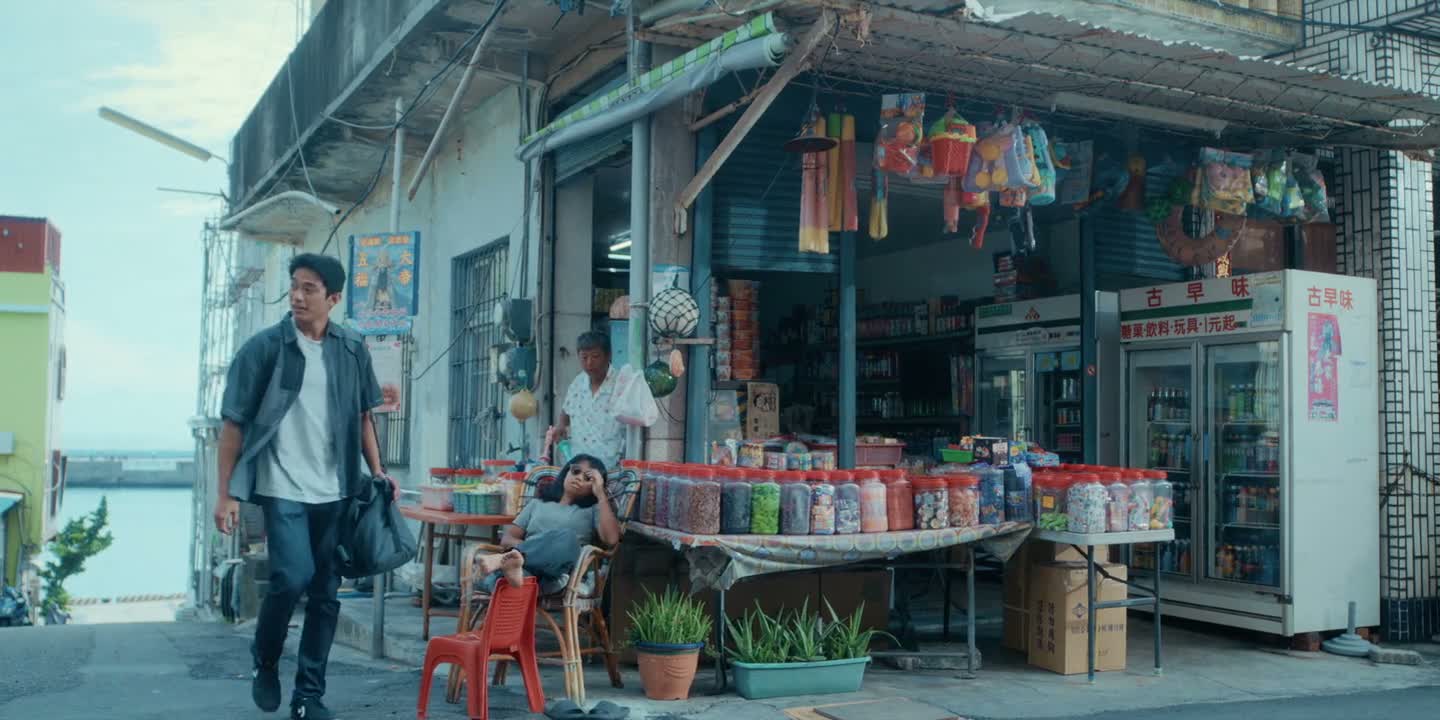
“His daughter and he bickered all the time.”

“A childhood habit. You still haven't outgrown it.”
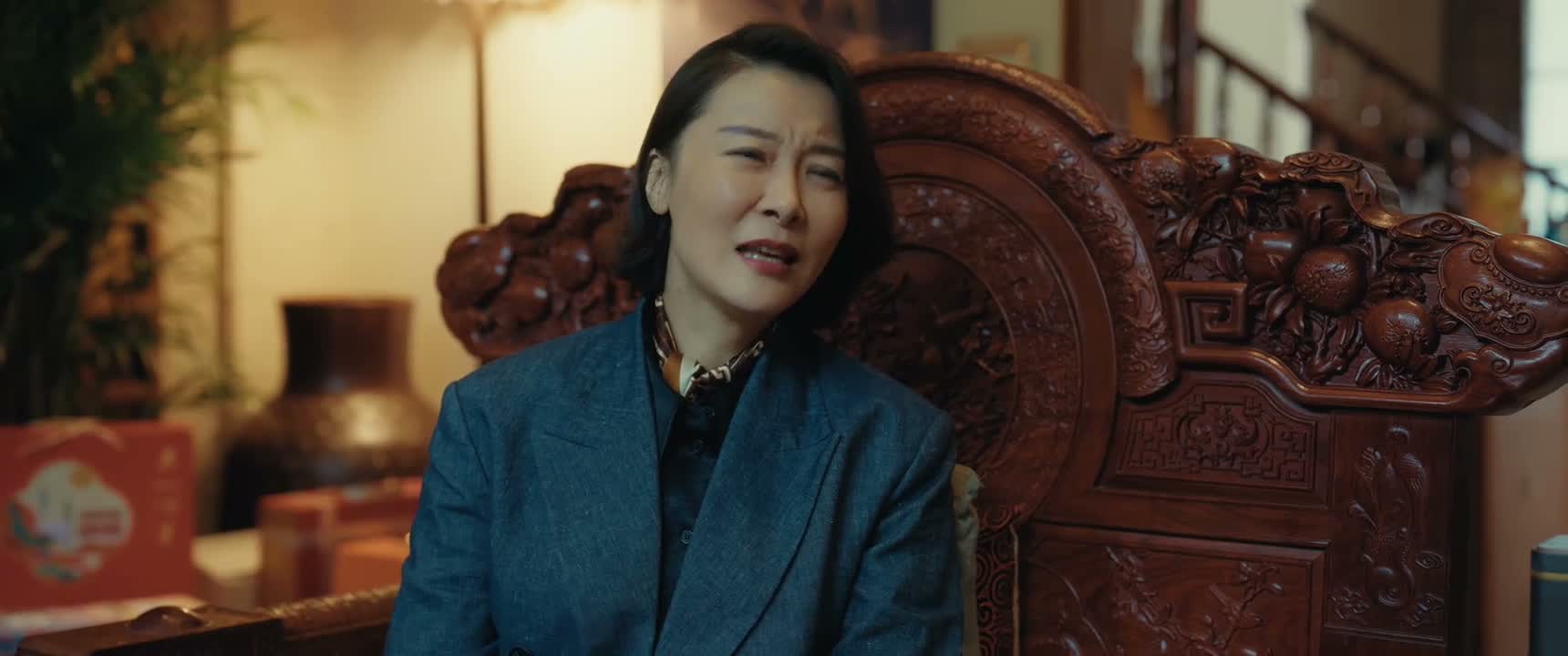
“why can't you break your old habits?”