抱那孩子回来时所用的襁褓
“this is the swaddling cloth he used when he carried the child back.”
THE DIALOGUE REEL
这是他之前
“this is the swaddling cloth he used when he carried the child back.”
抱 那孩子 回来 时 所用的 襁褓
“this is the swaddling cloth he used when he carried the child back.”
大师可曾记得
“Do you recall, Master,”
Direct spoken expression in this communicative setting.
In traditional Chinese fiction and cinema, embroidered swaddling cloths or jade pendants left with abandoned infants are classic plot devices used decades later to prove noble bloodlines.
LEARNING CHUNKS & PARTICLES
that which was used
A formal relative clause marker used before a noun to specify the tool or material utilized for an action.
swaddling clothes (for an infant)
A literary word often used metaphorically to mean 'infancy', or literally in historical dramas as a token of a lost child's identity.
VOCABULARY & EXPRESSIONS
Parallel Spoken Cinema Scenes (语义近邻切片)

“When I saw that baby in the swaddle, moonlight shining on him,”

“all the children are carried by their fathers or brothers.”

“that child wouldn't live much longer.”

“I'll leave this kid in your care.”
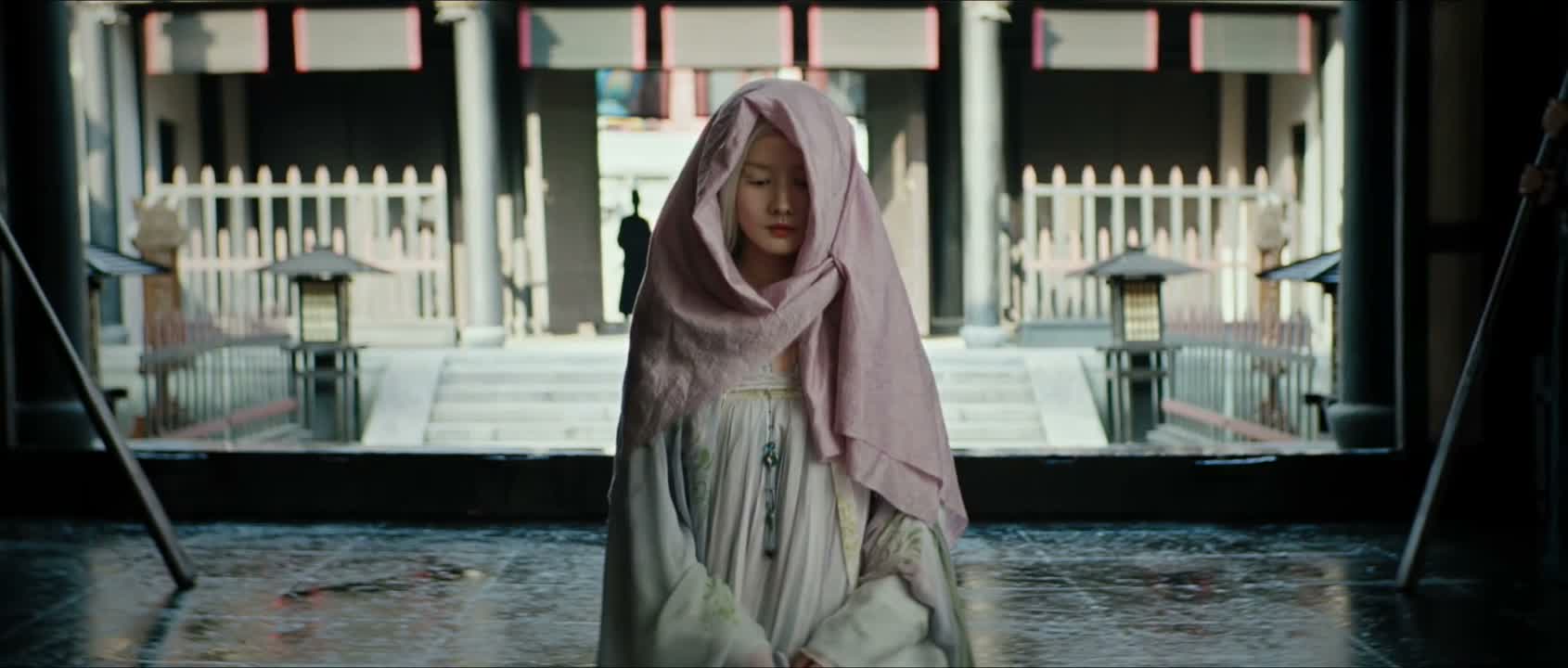
“It was a distinctive pouch.”
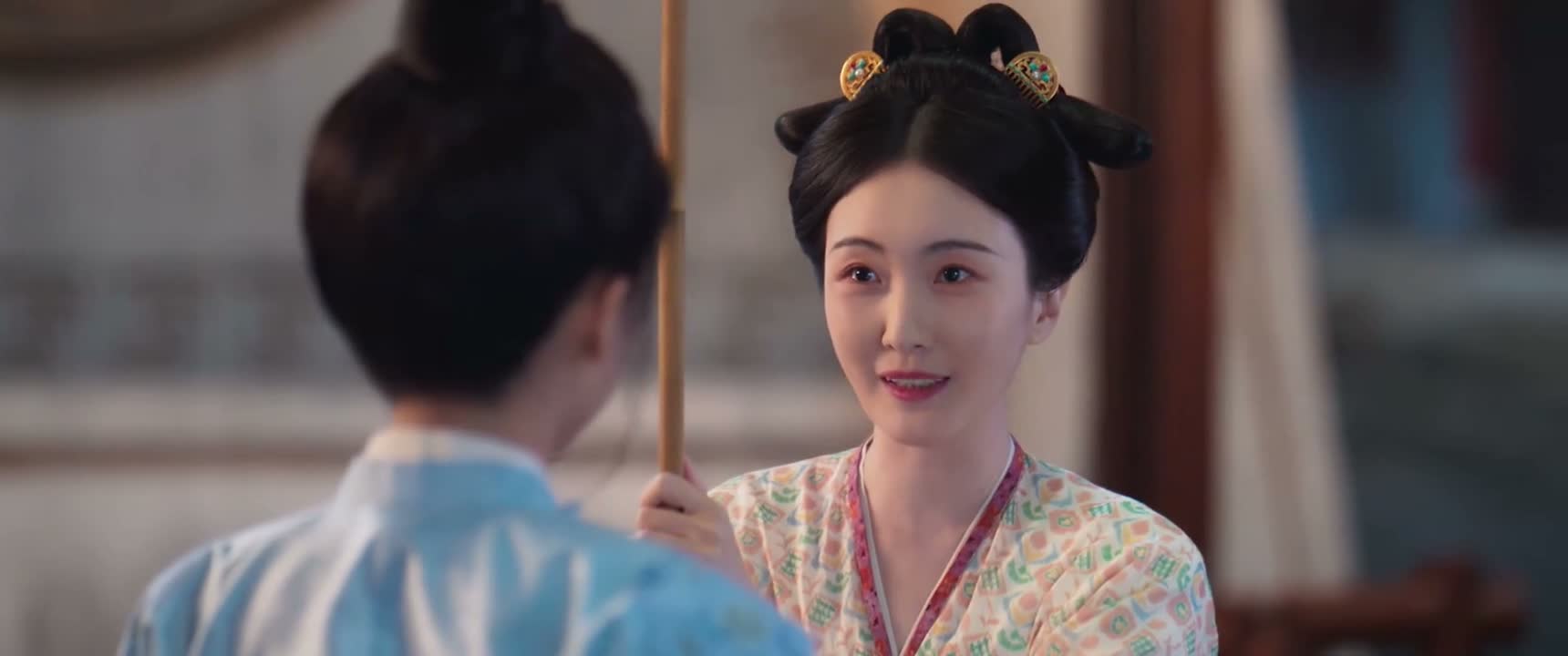
“for me to escort you home.”