越是每次把你气得不省人事的
“The one who leaves you shattered every time”
THE DIALOGUE REEL
那谁又不是呢
“But who isn't like that?”
越是 每次把你 气得不省人事 的
“The one who leaves you shattered every time”
越是你活过来之后
“is the one you still can't help loving”
“The people who drive you completely crazy are actually the ones you can't let go of.”
Chinese idioms frequently describe emotional states through extreme physical symptoms, such as fainting from anger (qi de bu xing ren shi) or vomiting blood, to dramatize everyday frustrations in humorous conversation.
LEARNING CHUNKS & PARTICLES
the more it is that...
Used in pairs ('yue shi... yue shi...') to emphasize a proportional relationship between two situations.
unconscious; comatose
A four-character idiom literally meaning 'unaware of human affairs', often used hyperbolically after 'qi de' (angered to the point of) in spoken Chinese.
Nominalizes the entire preceding clause, turning ' angered you to unconsciousness' into 'the person/thing that angers you to unconsciousness'.
VOCABULARY & EXPRESSIONS
Parallel Spoken Cinema Scenes (语义近邻切片)
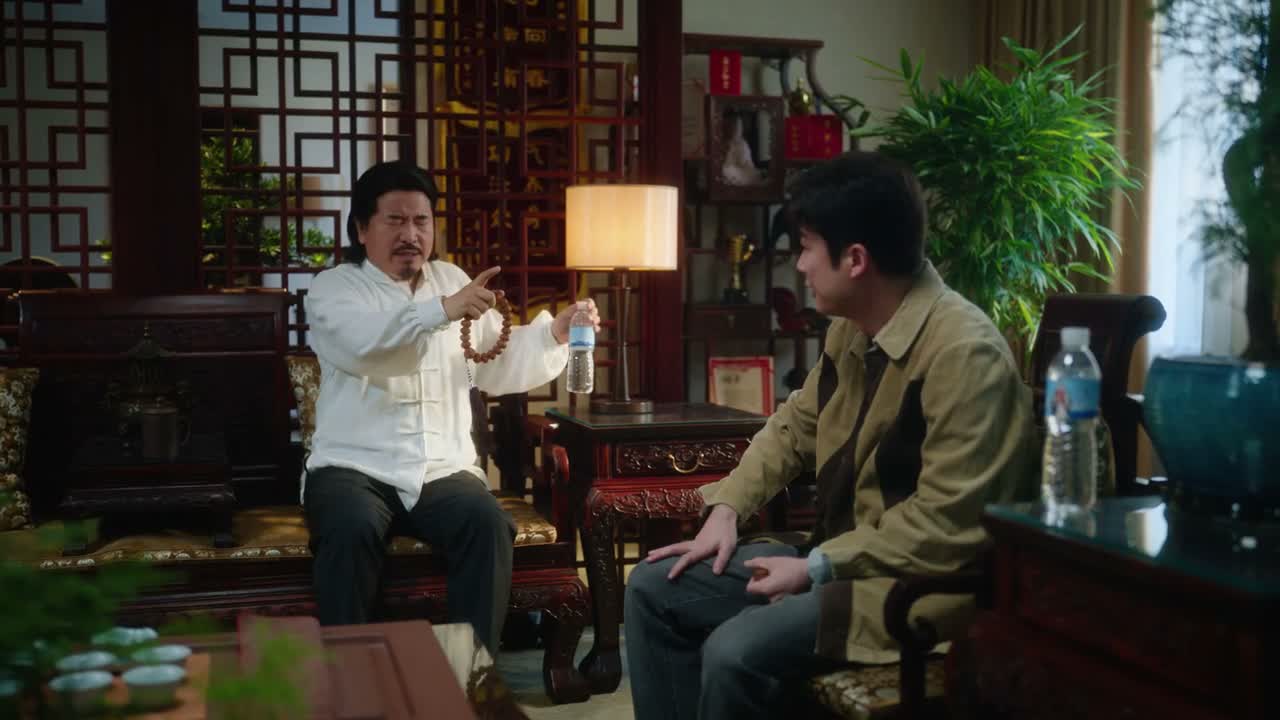
“You made me this mad.”

“Sometimes he provokes you. And when you're still mad,”

“How come it's always you, making a fuss over nothing?”

“others with my words.”

“[Qinwen Hall] I'll stay mad at him!”

“all these years, you've held a grudge.”