惹下诸多祸事 罄竹难书
“and bring about disasters, doing countless terrible things.”
THE DIALOGUE REEL
“The Tian family even used the name of Tribute Ink to cause trouble”
惹下诸多 祸事 罄竹难书
“and bring about disasters, doing countless terrible things.”
对三爷爷
“We've hurt you,”
Direct spoken expression in this communicative setting.
Literary idioms like '罄竹难书' stem from classical texts (writing on bamboo strips) and lend moral authority and gravity to accusations.
LEARNING CHUNKS & PARTICLES
too numerous to record; an endless list of crimes
A formal four-character idiom (chengyu) strictly reserved for describing an overwhelming amount of crimes or evil deeds.
to cause and stir up a great deal of trouble or disasters
Used in formal or narrative contexts to describe reckless actions leading to serious negative consequences.
VOCABULARY & EXPRESSIONS
Parallel Spoken Cinema Scenes (语义近邻切片)

“Don't drag her into this. What do you mean by "drag?" I'm helping her. She's my reader. I should look out for her.”

“Bad people live long lives.”

“that ultimately led to a great disaster.”
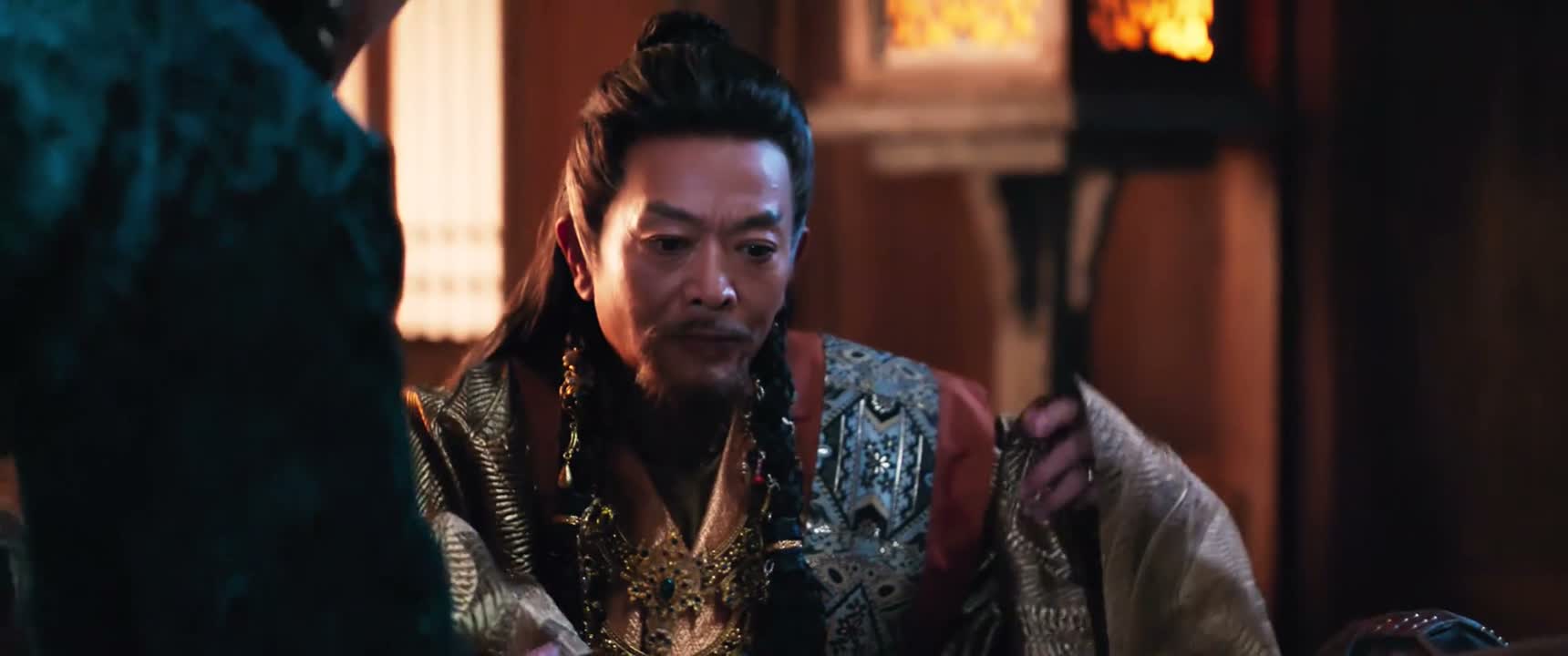
“He caused trouble all along the way,”

“bodes chaos and ruin.”
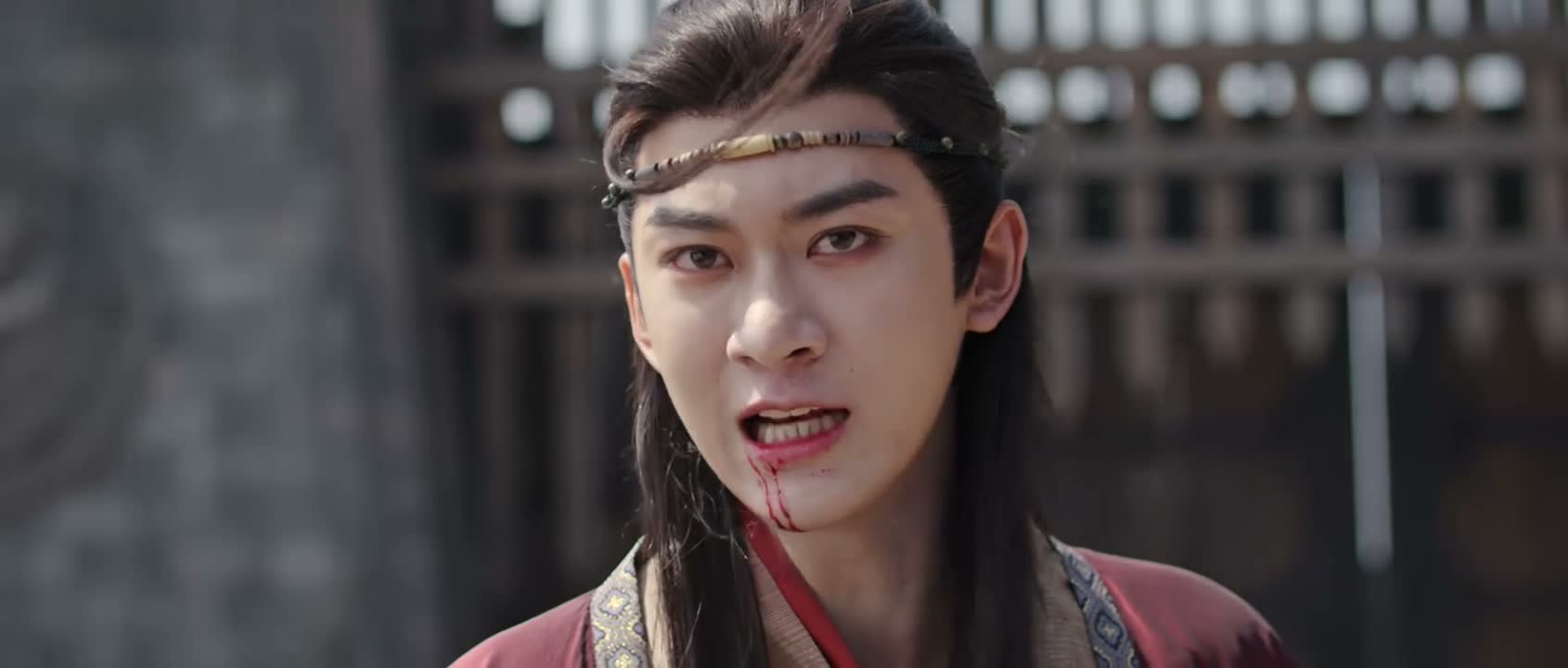
“His crimes are countless and unforgivable.”
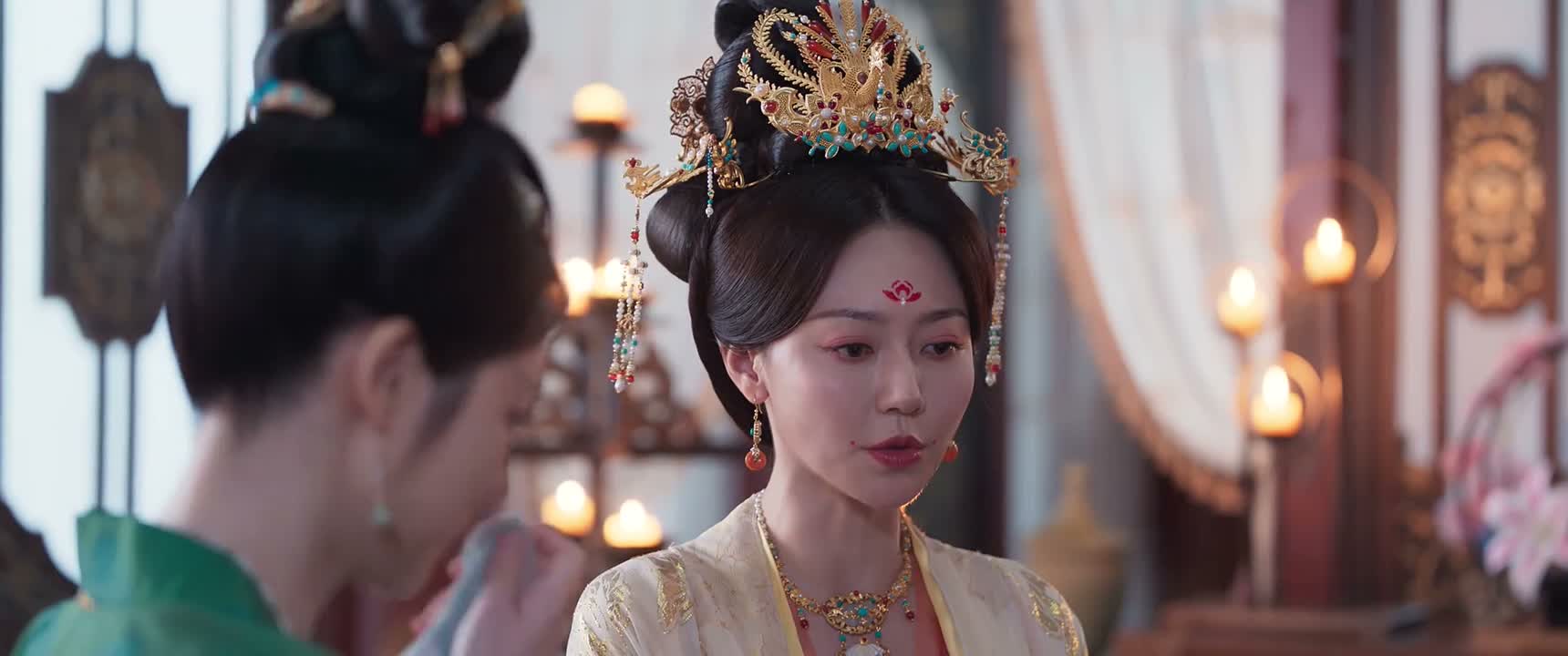
“to stir up so much disgrace.”