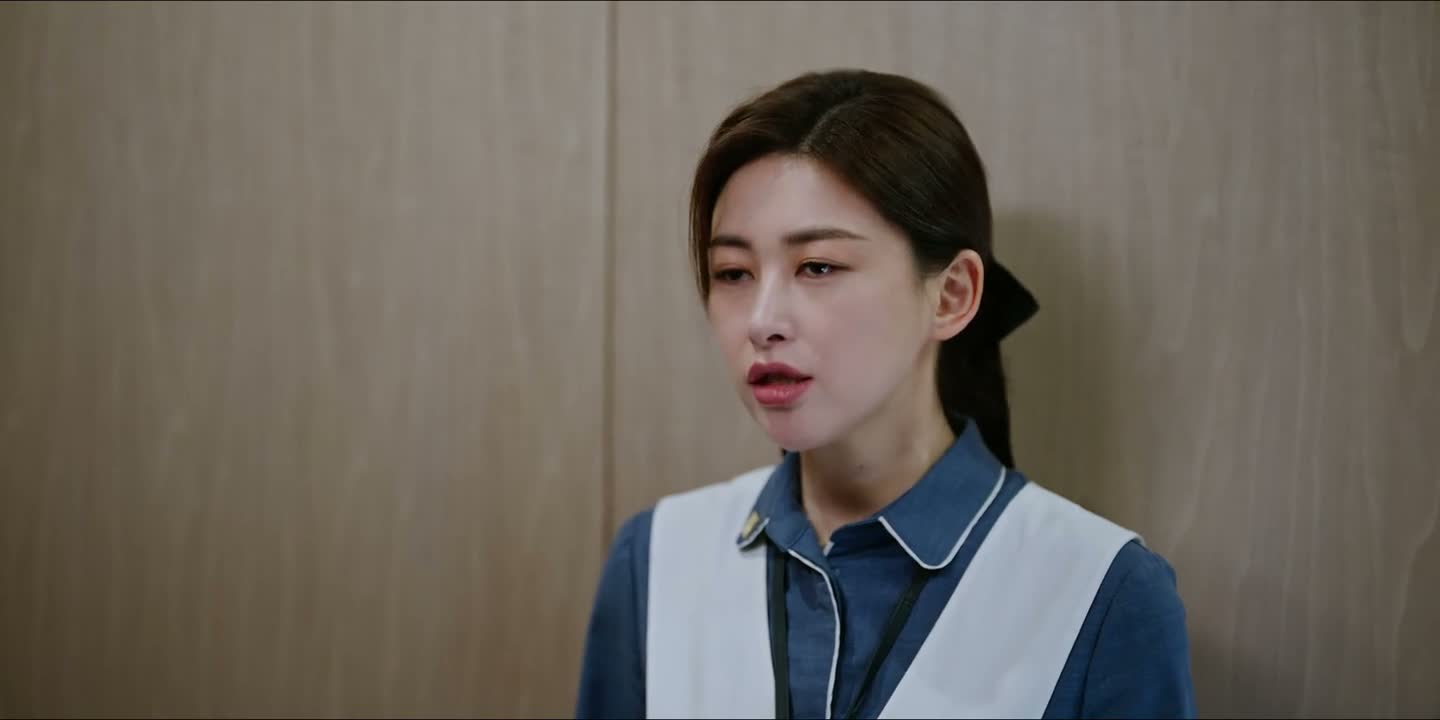
完了他下了班以后 也会来照顾一下
“After he goes off work, he'll come to help.”
THE DIALOGUE REEL
“I've talked to Jin. I ask him to hire a care worker.”
完了 他 下了班以后 也会 来 照顾一下
“After he goes off work, he'll come to help.”
“Anyway, you are going to university in September.”
Direct spoken expression in this communicative setting.
Referring to a parent's friend or partner as 'Uncle' (叔叔) in the previous turn reflects the Chinese custom of using kinship terms for non-relatives to establish warmth and respect.
LEARNING CHUNKS & PARTICLES
and then; after that; besides
At the start of a sentence in casual spoken (especially Northern) Chinese, this acts as a discourse marker meaning 'and then', not 'it's over'.
after getting off work
A separable verb (下班) with 了 inserted in the middle to mean 'once work is finished'.
to look after a bit; to help take care of
Adding 一下 after the verb softens the phrase, making the effort sound manageable and casual.
VOCABULARY & EXPRESSIONS
Parallel Spoken Cinema Scenes (语义近邻切片)

“the factory assigned me to look after him.”

“We have work to do when we get back. I'm full. Finish up and let's go.”

“Anyway, I've been taking care of him.”

“the company will take good care of them and do your filial duty for you.”

“I've been taking care of him lately.”
“tell you about this later.”