为什么他有鸡蛋 我们没有呀
“Why does he have eggs? We don't.”
THE DIALOGUE REEL
韩 韩护士
“Nurse Han.”
为什么 他 有 鸡蛋 我们 没有 呀
“Why does he have eggs? We don't.”
对呀 我们也想吃鸡蛋 天天喝粥 这谁受得了啊
“Yeah, we want to eat eggs too. Who can stand porridge every day?”
“This is totally unfair favoritism! We deserve eggs just as much as he does.”
In historical and austerity contexts in China, eggs were viewed as precious restorative foods (营养品); rationing them to specific patients frequently triggered intense feelings of jealousy and unfairness.
LEARNING CHUNKS & PARTICLES
why
Standard interrogative used here to initiate a direct and demanding question.
chicken egg
Often represents a prized source of nutrition and special care in traditional recovery or institutional settings.
Softens the acoustic harshness of the direct confrontation while signaling an urgent demand for an answer.
VOCABULARY & EXPRESSIONS
Parallel Spoken Cinema Scenes (语义近邻切片)

“Yeah. He has eggs. He has eggs. Yes.”
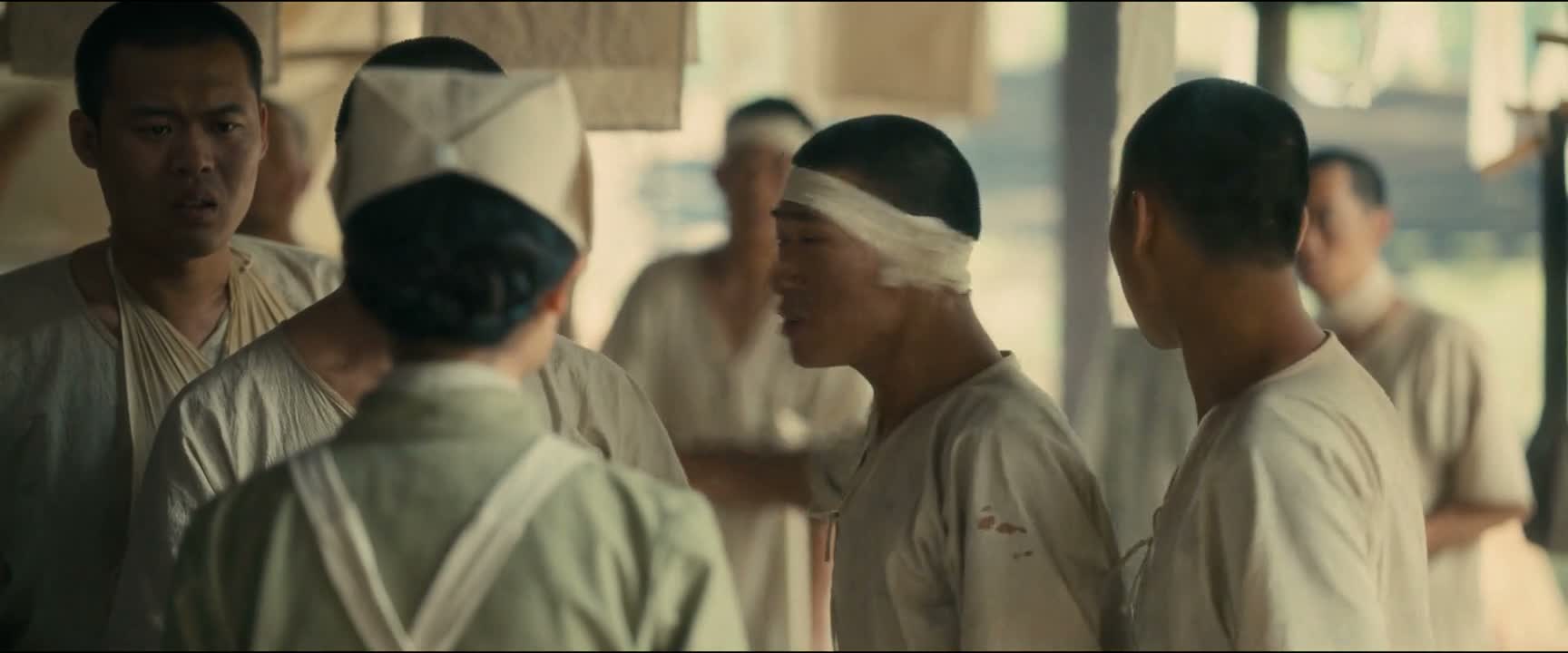
“No eggs. Where did he get the eggs?”
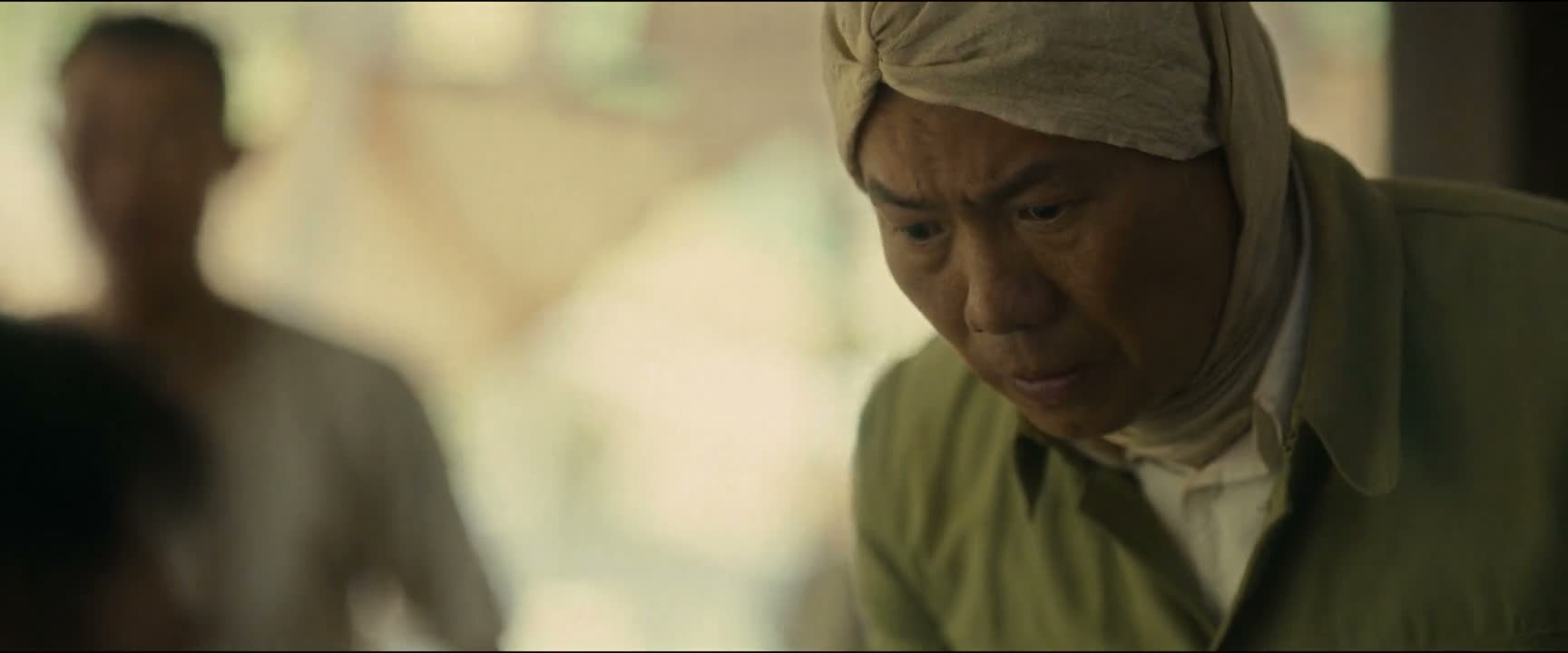
“This... There really are eggs. There are eggs.”

“Saving this egg for the landlady?”
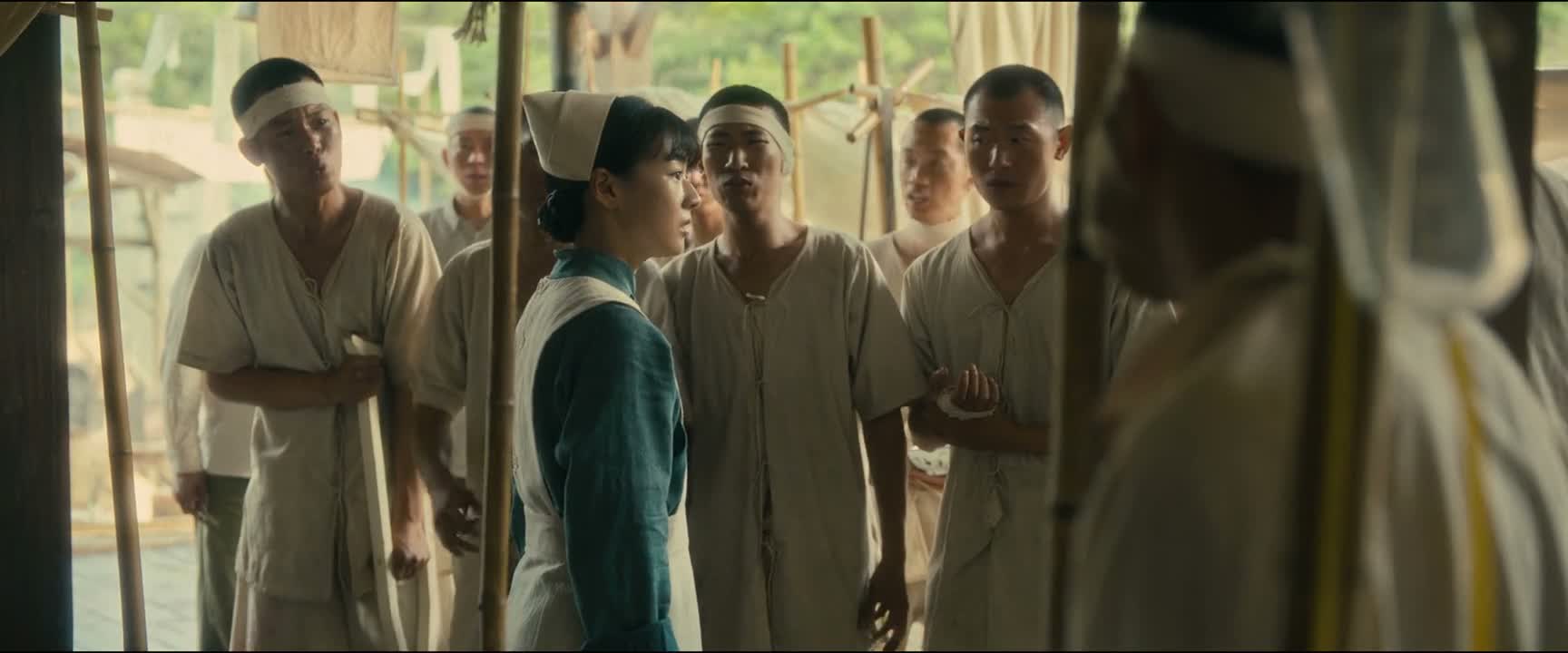
“Yeah, we want eggs too. Give us some too.”

“Not unless you eat those two eggs.”