赵玫 回来了 下班了 你们怎么来了
“Zhao Mei, you're back. Off work? What brings you here?”
THE DIALOGUE REEL
“The evidence was one of our divorce terms.”
赵玫 回来了 下班了 你们怎么来了
“Zhao Mei, you're back. Off work? What brings you here?”
我们来了一会儿了
“We've been here a while.”
“Oh shoot, you walked in at a bad time—let me act normal and greet everybody.”
In Chinese culture, greeting someone by stating what they are clearly doing (like 'You are back' or 'Off work now?') is a warm, standard way to acknowledge their presence rather than a literal question.
LEARNING CHUNKS & PARTICLES
finished work / off duty
Very common greeting in China when seeing family members or neighbors returning home in the evening.
what brings you guys here? / why have you come?
Used to express pleasant surprise (or nervous shock) when guests show up unexpectedly.
Indicates a change of state (having returned, having finished work, having arrived).
VOCABULARY & EXPRESSIONS
Parallel Spoken Cinema Scenes (语义近邻切片)
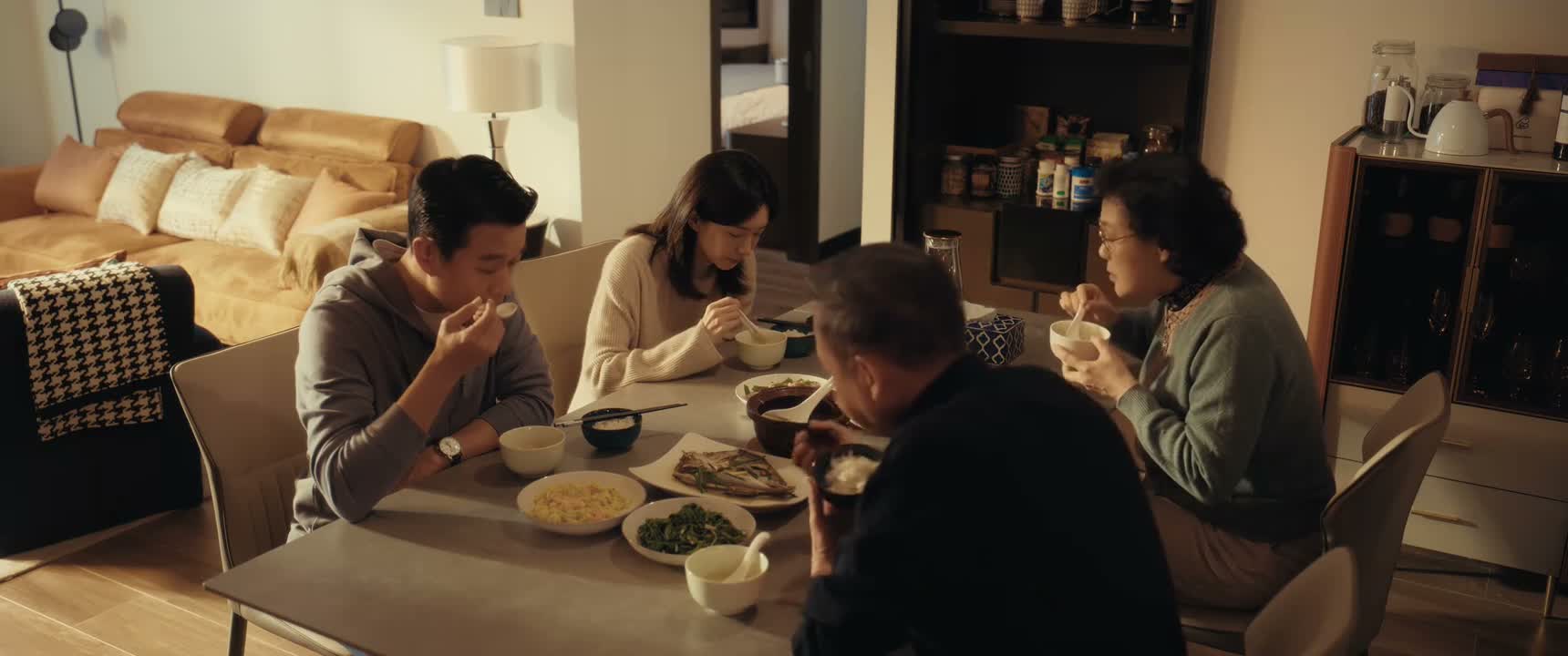
“Zhao Mei, aren't you supposed to resign?”
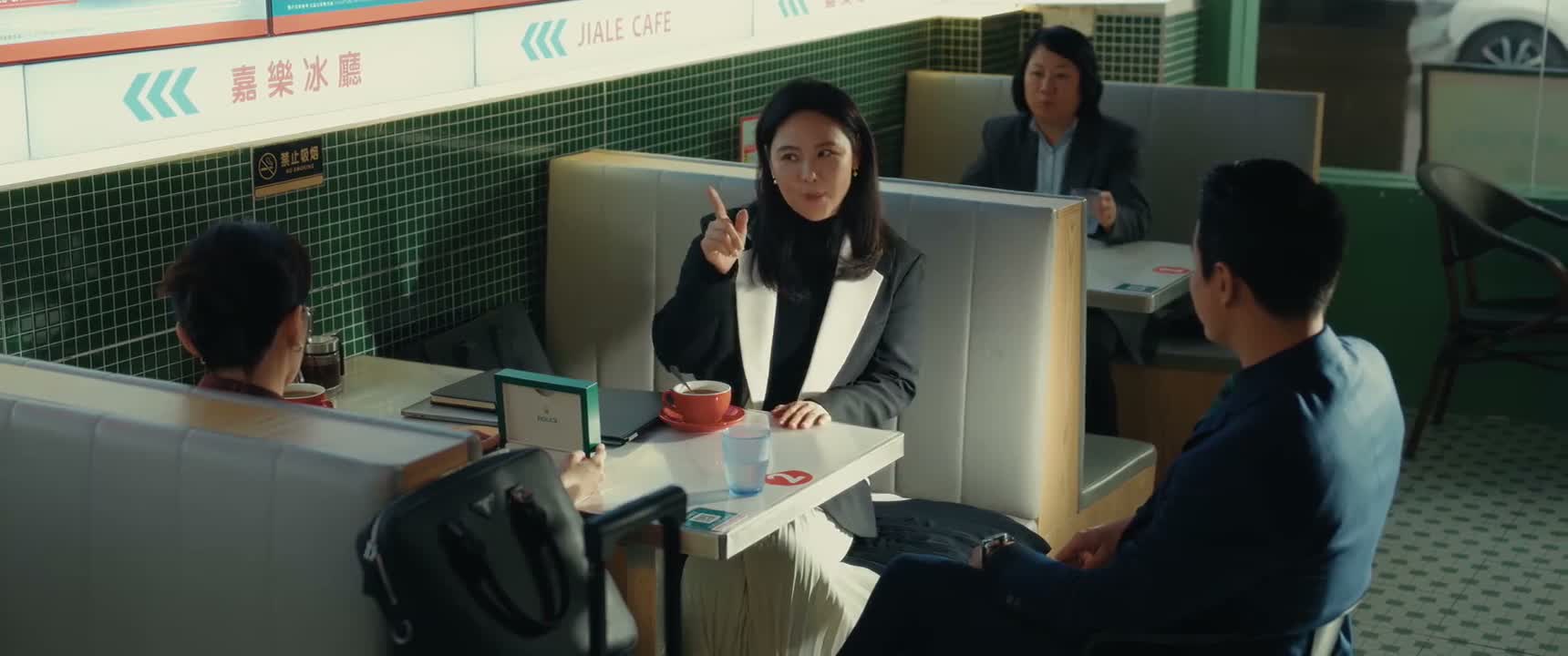
“Consider Zhao Mei's matter settled.”
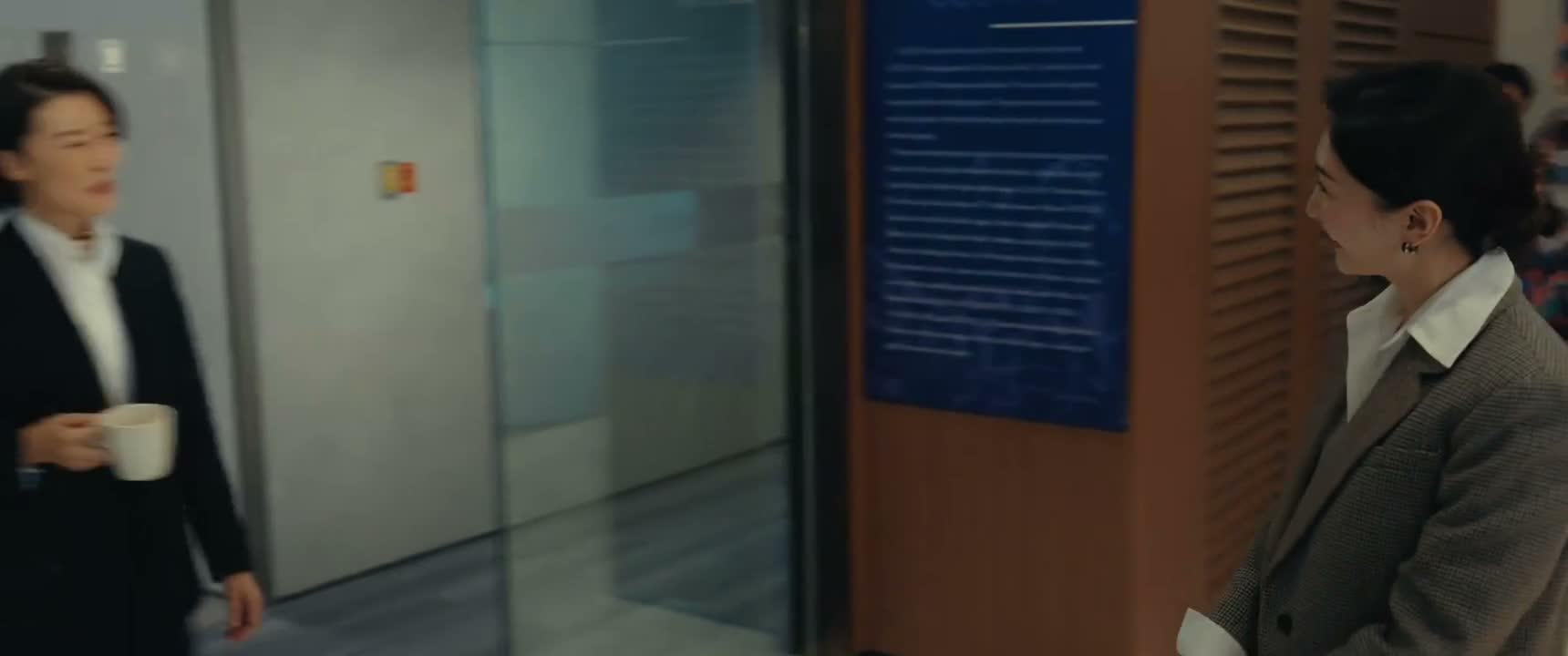
“Zhao Mei, you're back. Let me introduce you. This is Zeng Zixuan.”
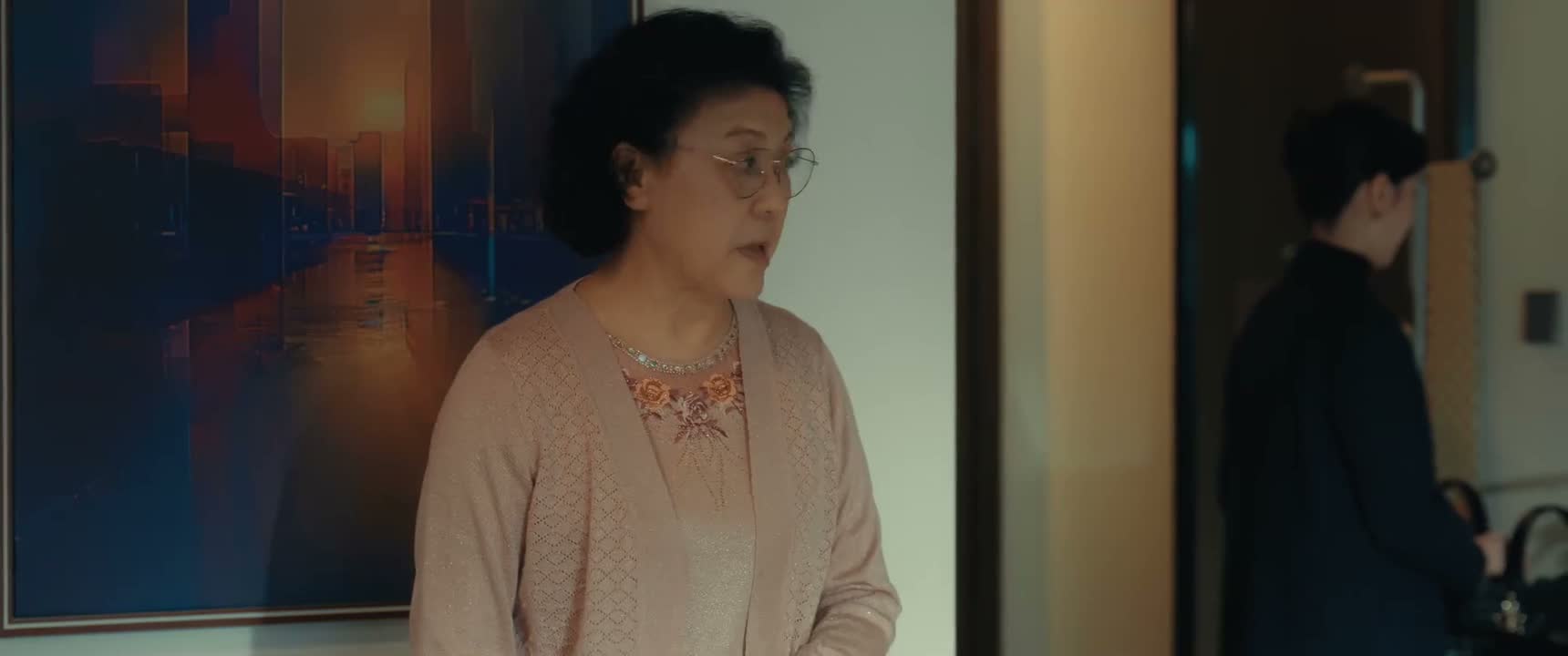
“Zhao Mei, I think your company is unreliable.”

“Zhao Mei was clearly hinting at you that day.”

“Zhao Mei, sorry. I shouldn't say that.”