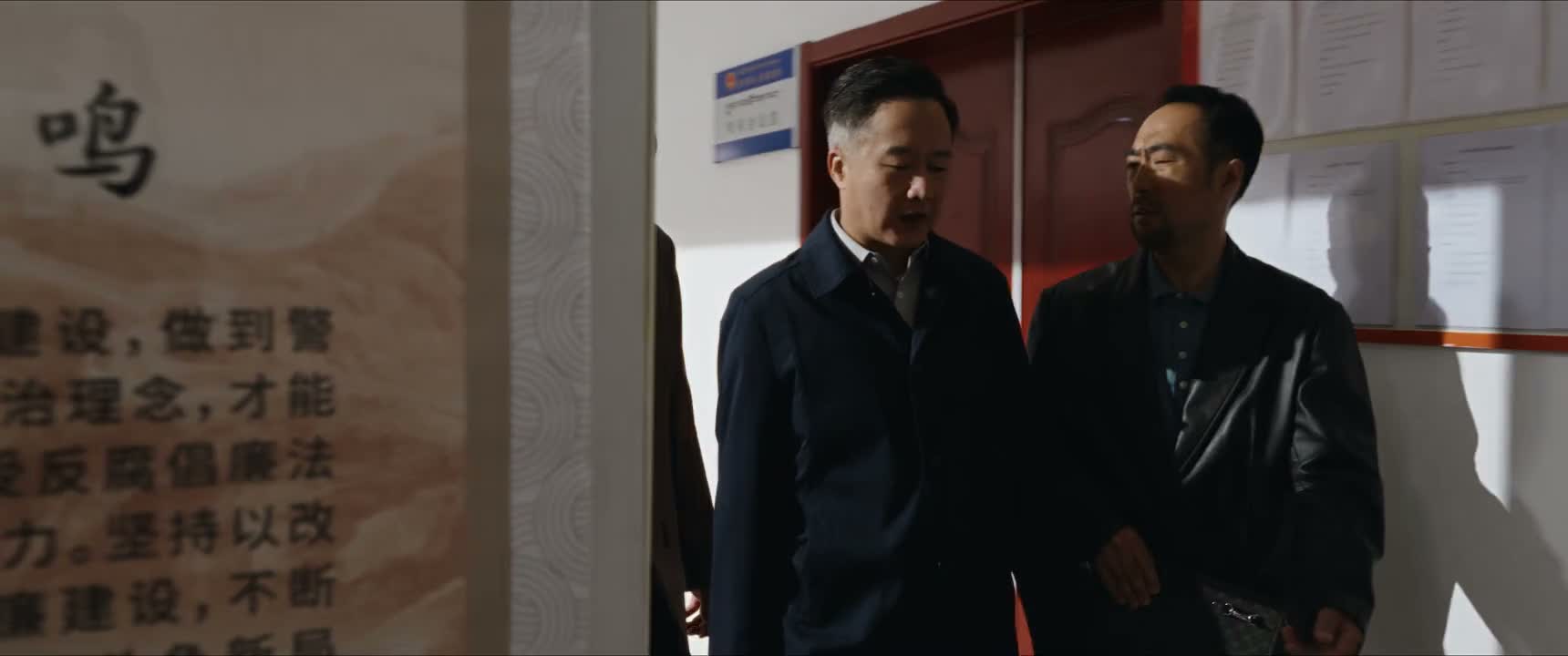
我不是说了吗 我一个人去的
“I told you already. I went alone.”
THE DIALOGUE REEL
跟谁一起去的
“on this business trip?”
我不是说了吗 我 一个人 去的
“I told you already. I went alone.”
不过有一位当地的书记员协助
“Well, a local court clerk helped out.”
“Stop questioning me like you don't believe me; I already told you I went by myself!”
In spoken Chinese, using '不是...吗' (Isn't it...?) is a common way to express mild irritation that the listener has forgotten or ignored previously shared information.
LEARNING CHUNKS & PARTICLES
Didn't I tell you already? / As I already said...
Used as a rhetorical question when you are frustrated that someone wasn't listening or keeps asking the same thing.
alone / by oneself
Placed directly before a verb to indicate doing an action solo without company.
Marks the action of 'speaking/telling' as already completed in the past.
Combines with '不是' to form a rhetorical question that conveys impatience and emphasis.
Part of an implied '是...的' construction focusing on the manner in which the past action (going) occurred.
VOCABULARY & EXPRESSIONS
Parallel Spoken Cinema Scenes (语义近邻切片)

“So, just say whatever you remember.”

“Didn't I tell you I wouldn't go to the hospital again?”

“I told you, it's temporary.”

“I... I never mentioned it? When did you ever mention it?”

“No, I told you already.”
“Didn't I tell you?”