那帮畜生玩意儿 犯起性子来
“Those bastards. When they lose their temper,”
THE DIALOGUE REEL
你能对付得了
“at any moment?”
那帮 畜生 玩意儿 犯起性子 来
“Those bastards. When they lose their temper,”
“they can do any evil thing. They have no humanity.”
“You're underestimating them; those savages lose all control and will destroy you.”
In historical and wartime Chinese narratives, referring to invaders or violent oppressors as animals (畜生) emphasizes their moral illegitimacy and cruelty.
LEARNING CHUNKS & PARTICLES
scumbags; beastly bastards
Extremely derogatory colloquial noun phrase expressing total contempt and dehumanization toward enemies.
once they lose their temper / turn vicious
Used to describe an unpredictable outburst of bad temper or erratic violent behavior.
Functions as a directional complement indicating the emergence and continuation of a sudden erratic state or behavior.
VOCABULARY & EXPRESSIONS
Parallel Spoken Cinema Scenes (语义近邻切片)
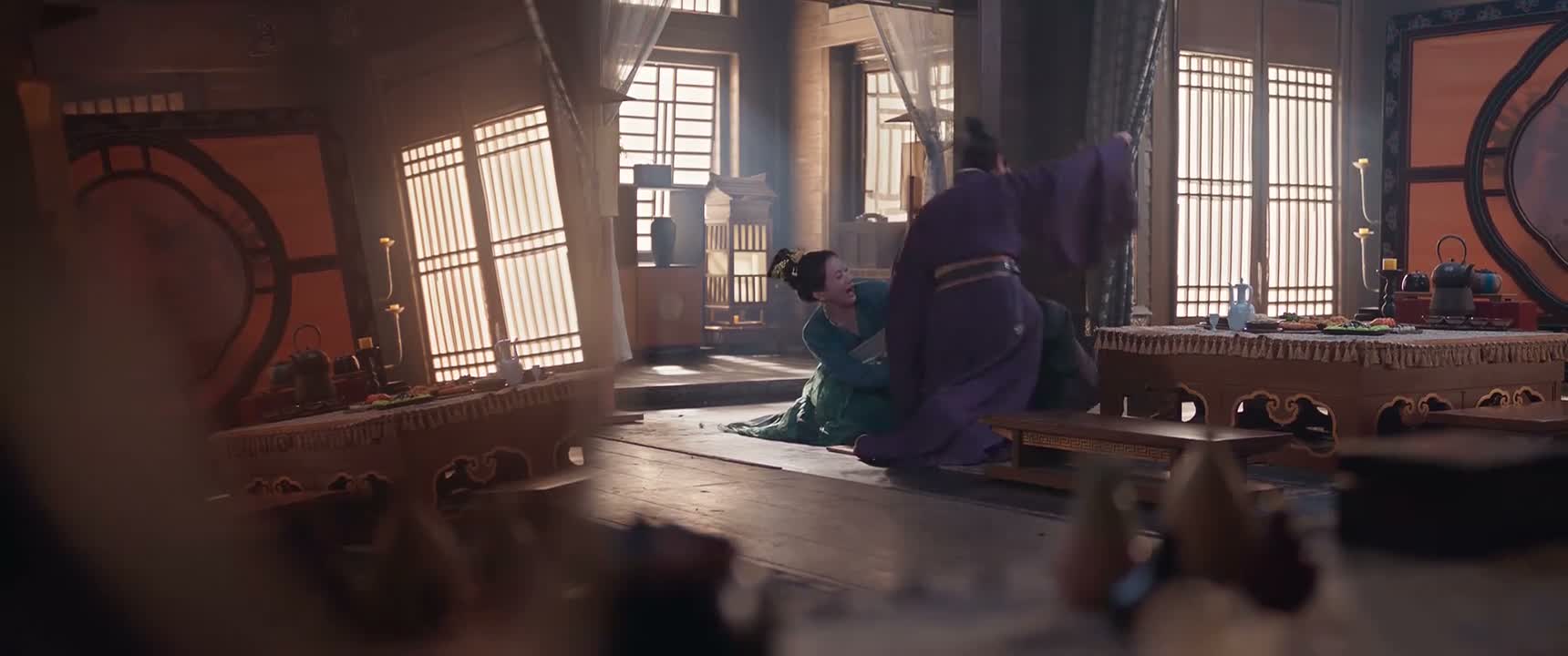
“That beast!”

“You beast.”

“All bastards. Haven't you been beaten before?”
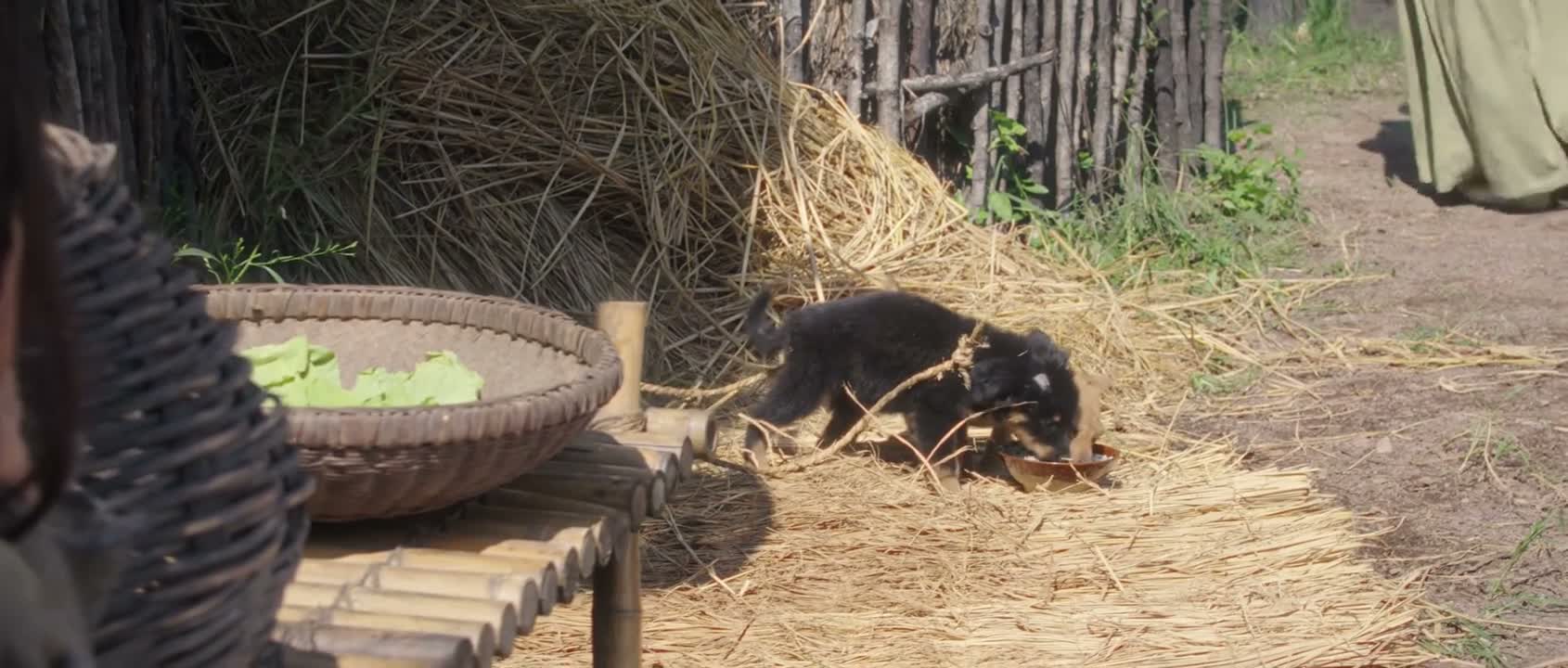
“fighting dogs for scraps like an animal.”

“So now I'm a species? Wrong choice of words. What do you mean, "of my kind"?”

“That makes all of you brutal animals!”