不能给黄大大添麻烦 听见了没
“Don't make trouble for Uncle Huang. Do you hear me?”
THE DIALOGUE REEL
但咱人得懂事 你得自己努力呢
“But you need to be sensible. You have to work hard yourself.”
不能 给黄大大 添麻烦 听见了没
“Don't make trouble for Uncle Huang. Do you hear me?”
你舅 是个敲鼓的 但更会敲诈
“Your uncle plays the drums, but he's better at extortion.”
Direct spoken expression in this communicative setting.
In Chinese moral education, showing gratitude to social patrons involves demonstrating diligence while being extremely careful not to over-burden them (不给别人添麻烦).
LEARNING CHUNKS & PARTICLES
to cause trouble; to inconvenience someone
A core social phrase used when warning someone not to overstep or burden other people.
did you hear me? (pay attention)
A commanding tag question commonly used by parents or superiors demanding immediate verbal compliance.
Forms a blunt question confirming whether the command has been understood.
VOCABULARY & EXPRESSIONS
Parallel Spoken Cinema Scenes (语义近邻切片)

“they sure fixed Huang Zhengjing.”

“That should set Huang Zhengjing straight.”

“Seriously, Huang. You have such a pretty girlfriend.”

“But this Mr. Huang seems quite spirited.”
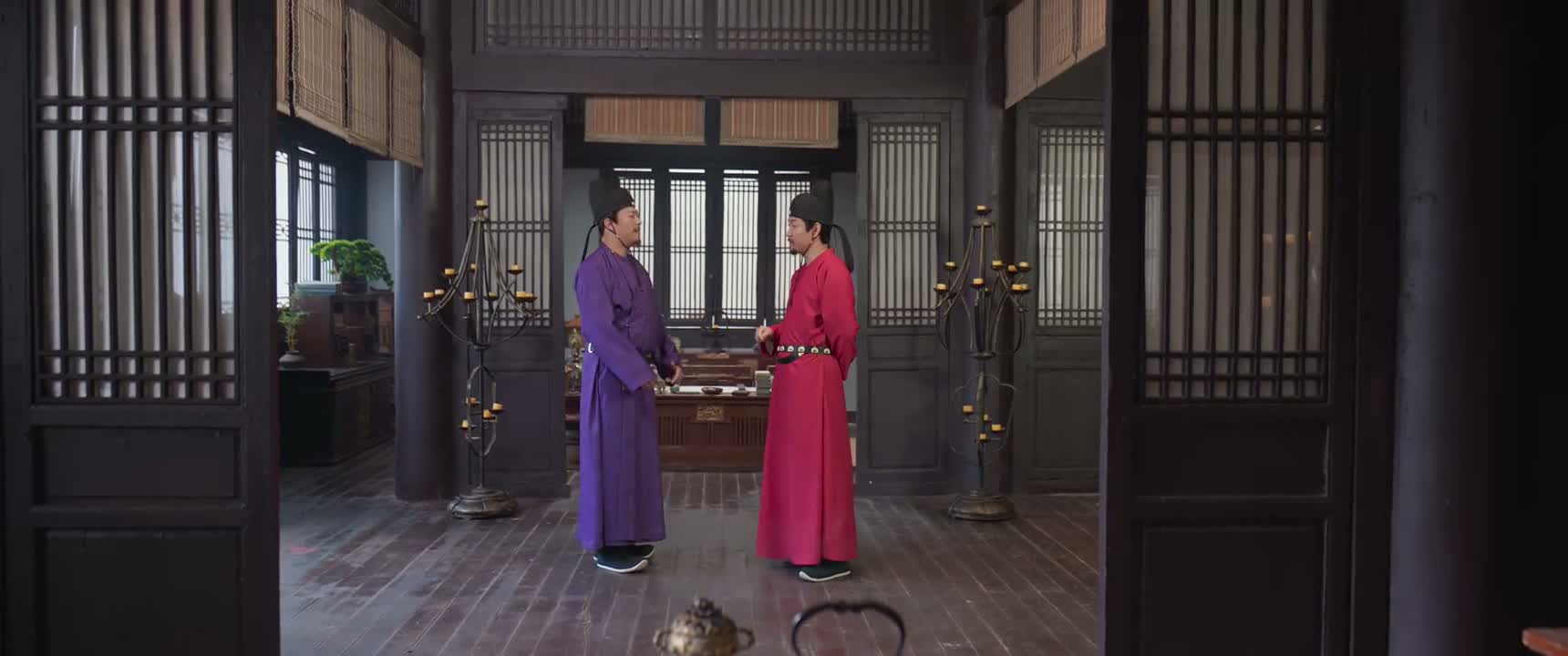
“I came here on urgent business”
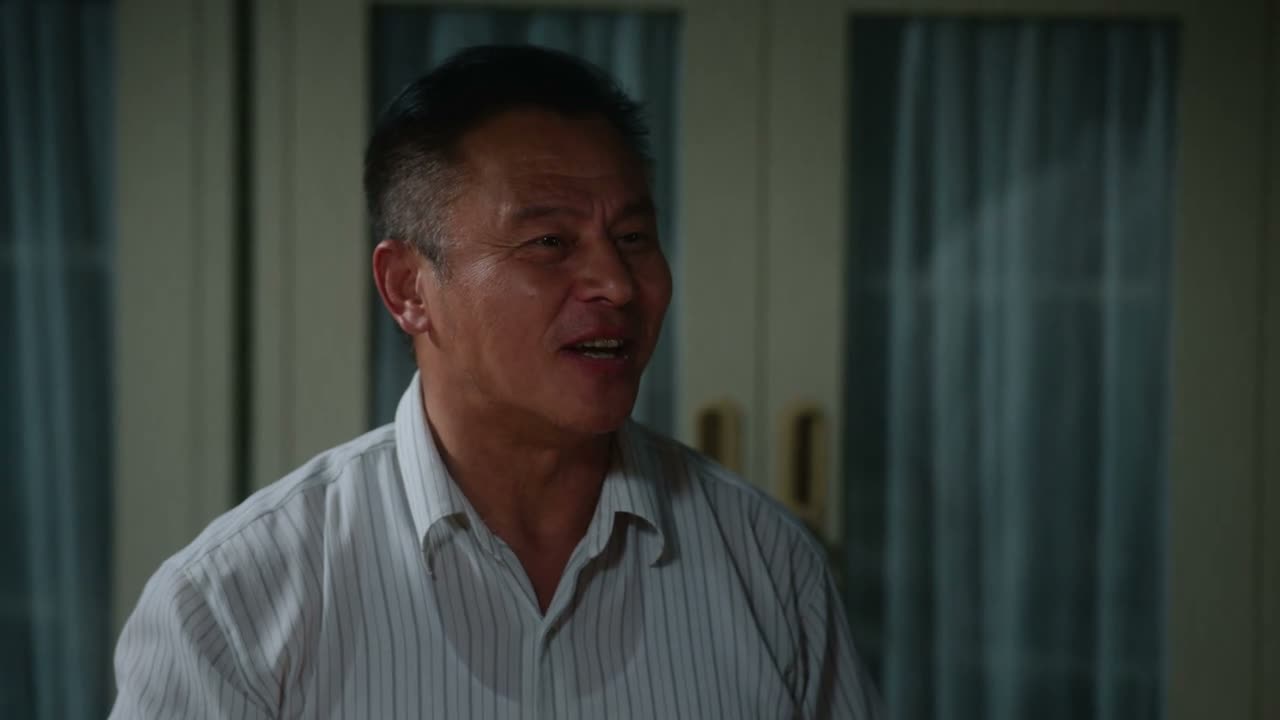
“Please look after us, Mr. Huang.”