我们一定要 这个姿势说话吗
“Must we speak in this position?”
THE DIALOGUE REEL
我们 一定要 这个姿势说话 吗
“Must we speak in this position?”
这个姿势怎么了
“What is wrong with it?”
“Back off a bit, this position is making me feel flustered and uncomfortable.”
In Chinese cinema, characters often use dry observations about physical posture ('kabedon' or pinning) to mask genuine romantic or defensive nervousness.
LEARNING CHUNKS & PARTICLES
must / have to
Frequently used in rhetorical questions to express reluctance or dispute a perceived necessity.
this posture / this position
Refers to bodily stance, often highlighting physical intimacy, restraint, or awkwardness.
Turns the statement into a question, expressing soft objection or questioning the necessity.
VOCABULARY & EXPRESSIONS
Parallel Spoken Cinema Scenes (语义近邻切片)

“Watch your tone. Who do you think you're talking to?”

“Of course they will.”
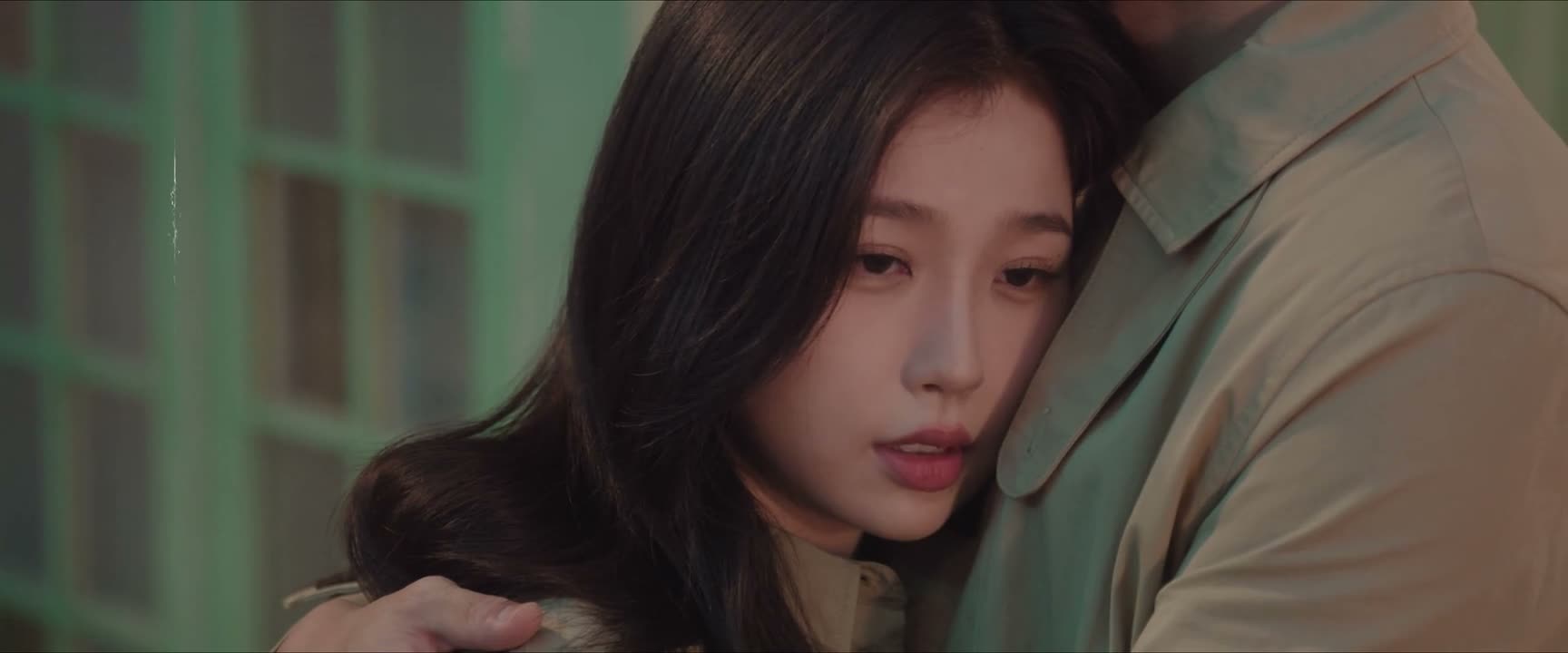
“This time, I must stand up ♪ We softly calm the hidden doubt ♪”

“If you can stand, try taking a couple of steps forward.”

“Did I say you must come?”
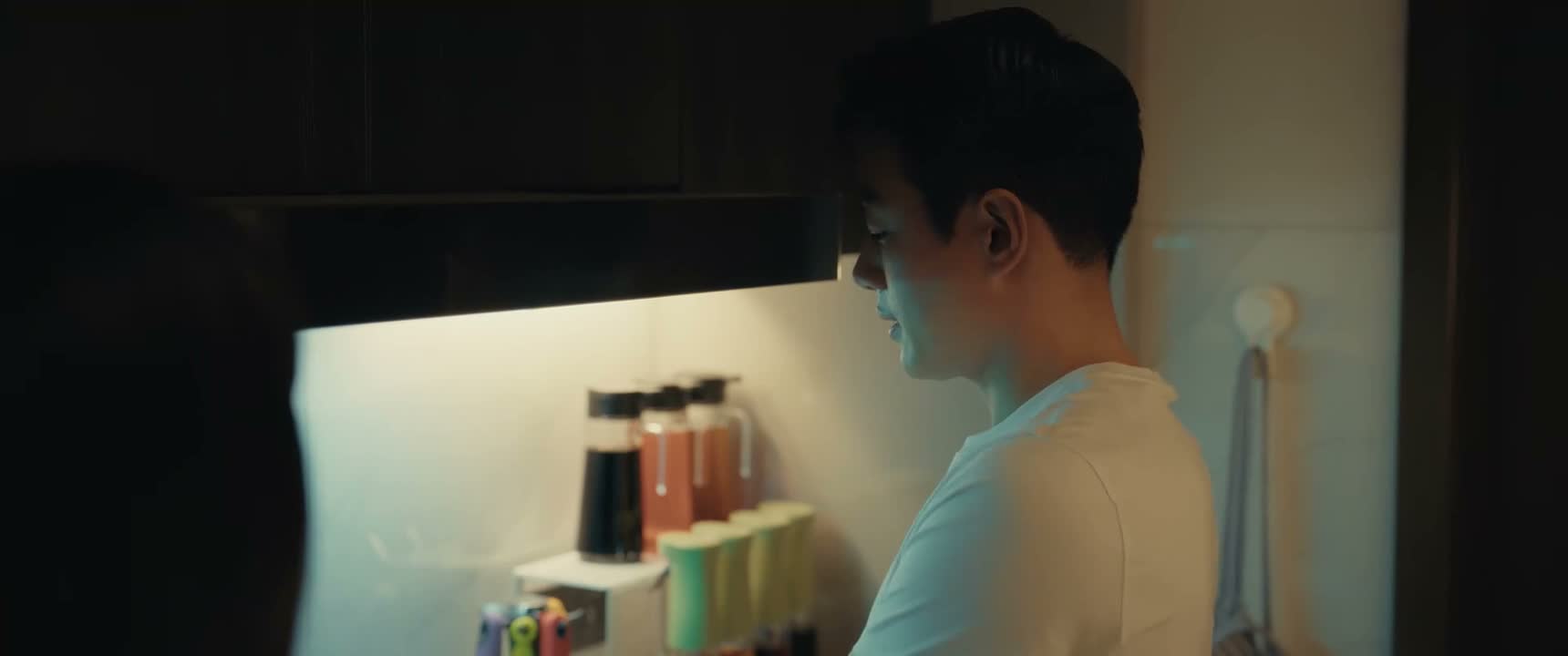
“That means doing a background check.”