走什么走 你不许走 差不多可以了 别再喊了
“How dare you leave? Come back here! This is enough. Stop yelling!”
THE DIALOGUE REEL
不许走
“You must stay!”
走什么走 你 不许走 差不多可以了 别 再喊 了
“How dare you leave? Come back here! This is enough. Stop yelling!”
“You have no conscience, Chen Xiliang! You...”
“Calm down and stop making an embarrassing scene; you are not running away from this.”
In spoken Chinese, repeating a verb around '什么' (e.g., 哭什么哭, 走什么走) directly dismisses the other party's emotional reaction or intended behavior as irrational or forbidden.
LEARNING CHUNKS & PARTICLES
Why are you trying to leave? / Don't even think about walking away!
Used aggressively or emphatically using the pattern 'Verb + 什么 + Verb' to challenge and reject the other person's proposed action.
That's enough / Call it quits / Don't push it too far
A very common conversational way to demand an end to inappropriate, repetitive, or excessive behavior.
Signifies a change of state and urgency, indicating that the threshold of tolerance has been reached.
VOCABULARY & EXPRESSIONS
Parallel Spoken Cinema Scenes (语义近邻切片)

“Enough questions. Just come with her. Let's go.”
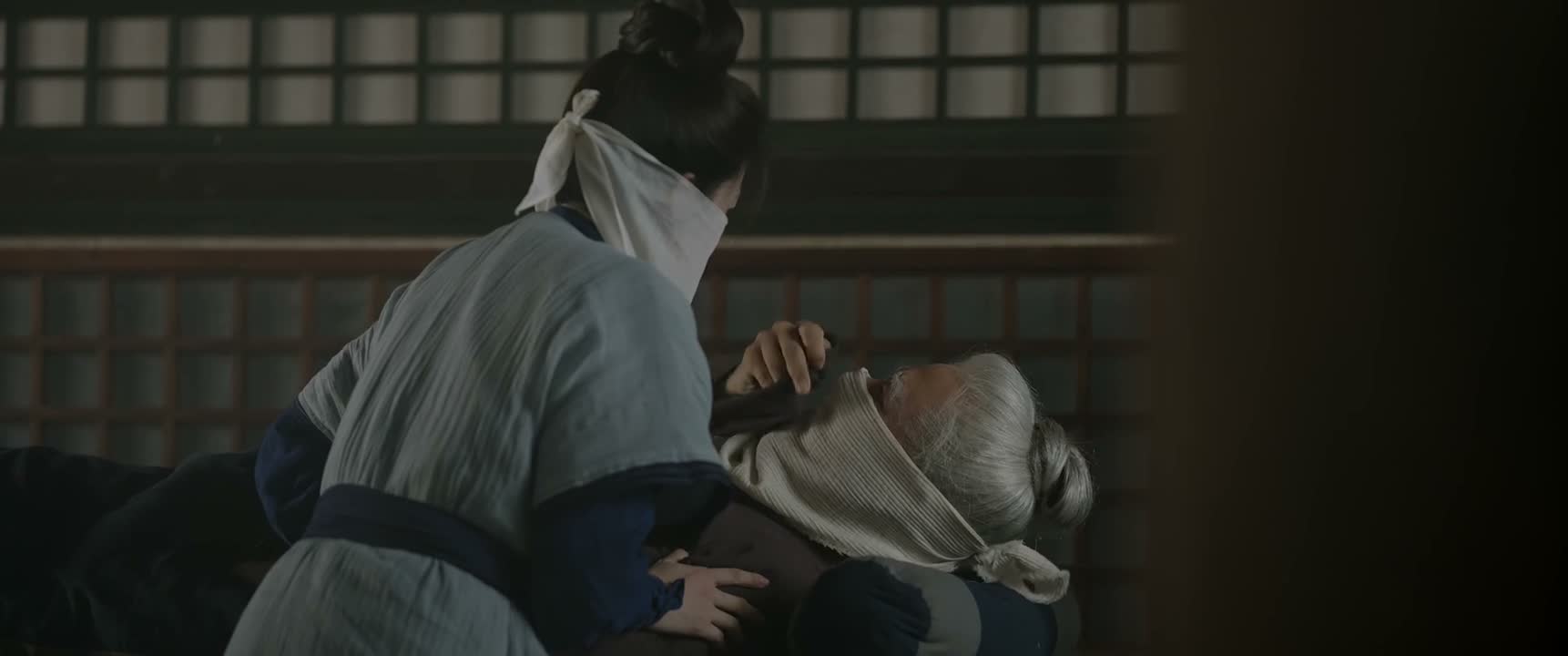
“Go! Get out of here!”

“You're free now. Don't ever come back.”

“Are you coming or not? There are so many cars outside. Who knows how far”
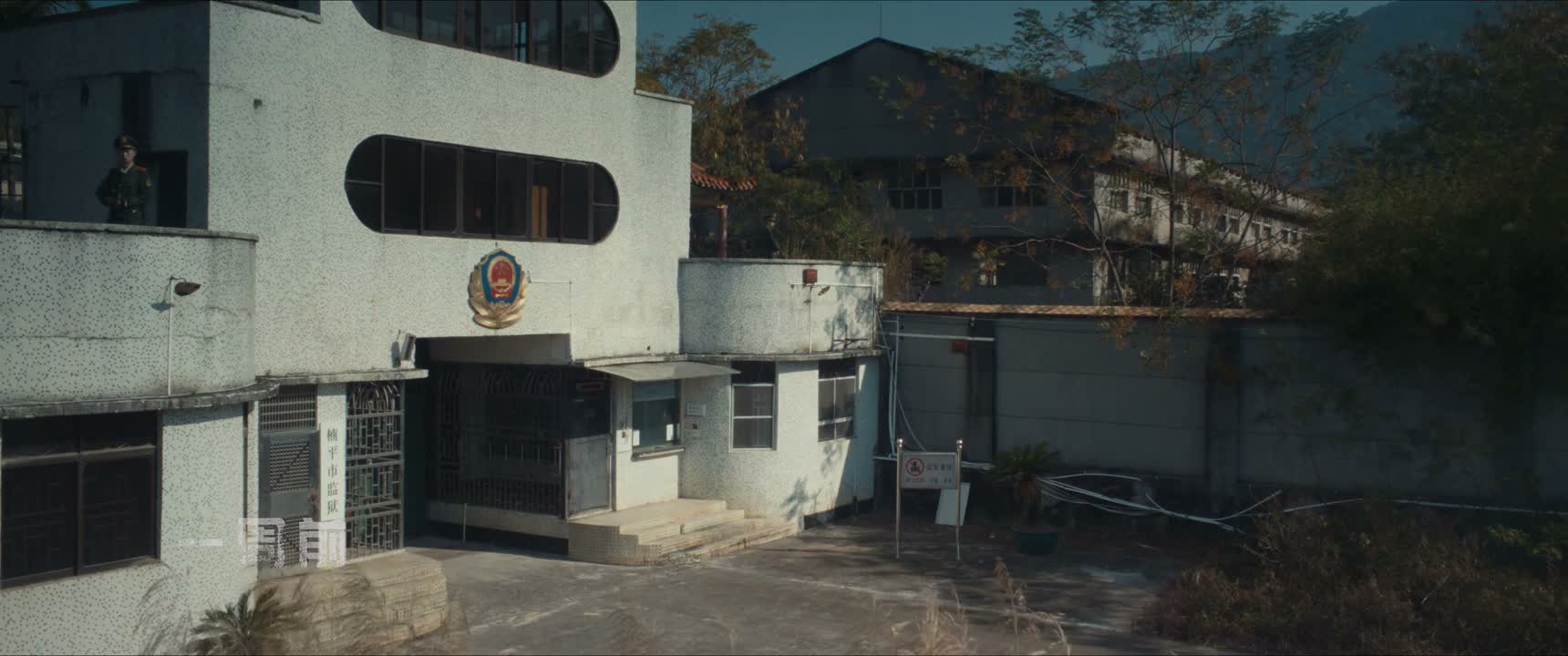
“[A week ago] Go. [Nanping City Prison] And don't come back.”

“Just go then. Stop talking so much nonsense.”