他死了 没办法辩解 自己做了什么或没做什么
“He's dead and can't say what he did or didn't do.”
THE DIALOGUE REEL
- 不论如何 你遗漏了厨房里的那个人 - 第一个到场的警员应该…
“Well, you missed the guy in the kitchen. The first officer should've--”
他 死了 没办法 辩解 自己做 了 什么 或没 做什么
“He's dead and can't say what he did or didn't do.”
这不是你的第一个犯罪现场
“It wasn't your first crime scene.”
Direct spoken expression in this communicative setting.
Reflects the principle that a dead person cannot testify (死无对证), making surviving officers especially responsible for not jumping to conclusions.
LEARNING CHUNKS & PARTICLES
unable to defend or explain oneself
Commonly used in formal or legal contexts where an accused party lacks the means or opportunity to provide an alibi or rationale.
what one did or didn't do
A balanced syntactic pair used to cover both commission and omission of actions.
Marks the change of state (death) that permanently alters the situation and removes the ability to speak.
VOCABULARY & EXPRESSIONS
Parallel Spoken Cinema Scenes (语义近邻切片)
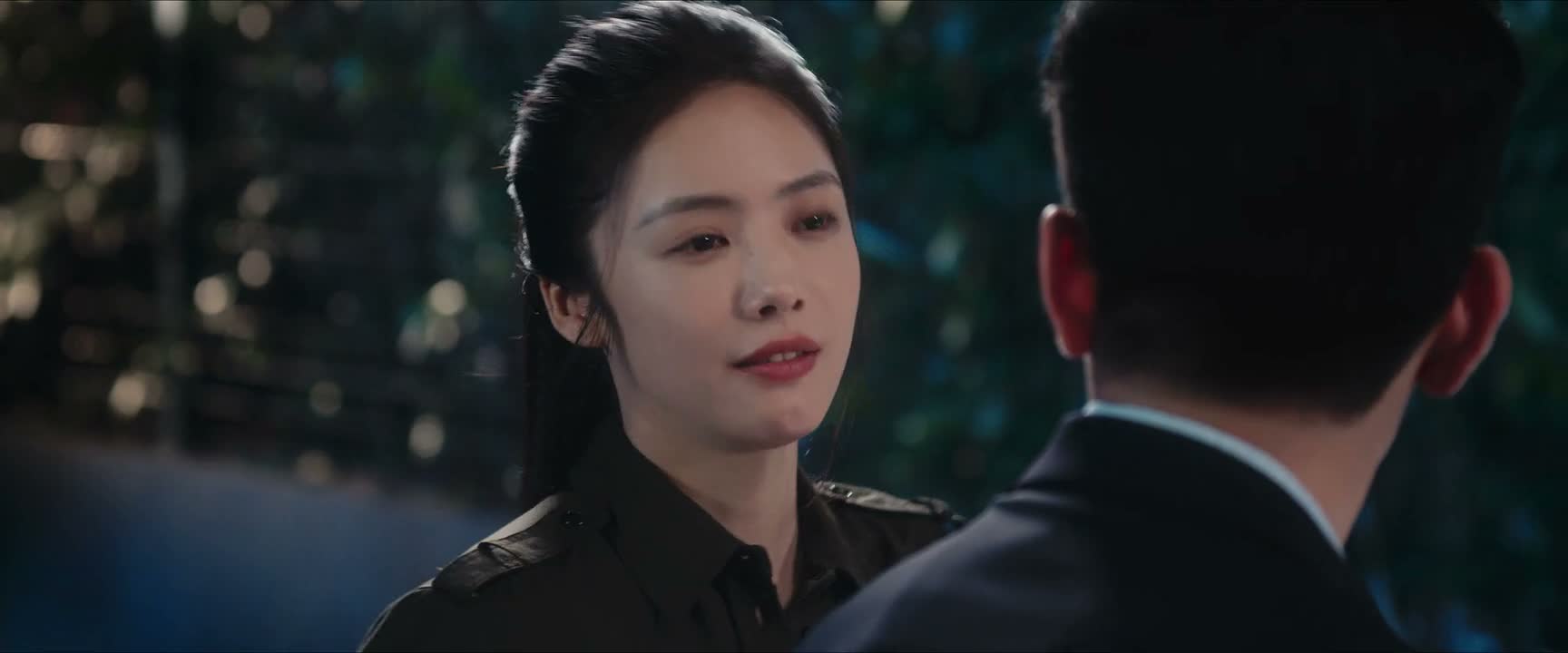
“He's dead. Dead? Suicide.”

“Oh my goodness! He went overboard. Who can tolerate that?”

“His death was an accident. It had nothing to do with me.”

“I should have just died.”

“Don't try anything silly. Now they're dead for no reason.”
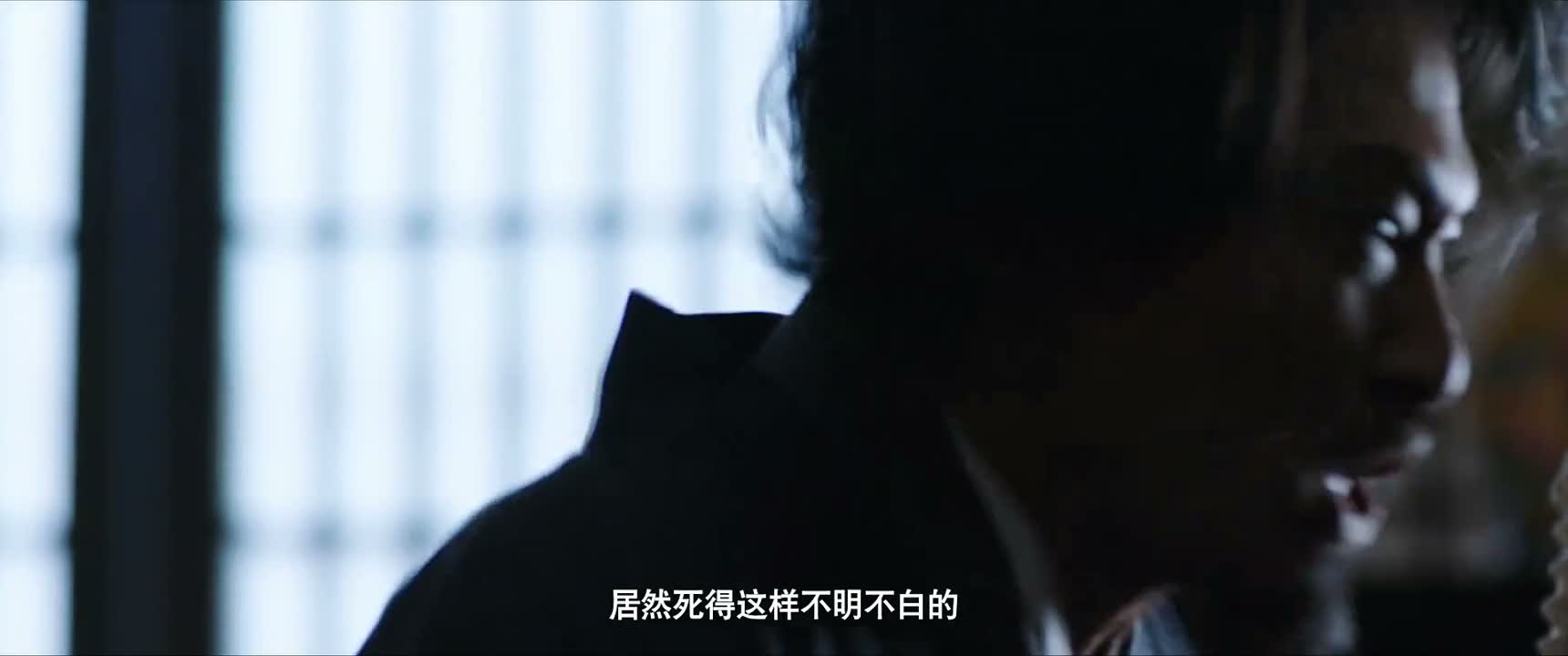
“But to die so inexplicably...”