那咱还不是指着人唱戏的吃饭呢 去去去
“We still make our living off them. Oh, come on.”
THE DIALOGUE REEL
咱们厨师比唱戏的地位高 这话说的
“Chefs outranked opera performers. Listen to you.”
那咱 还不是 指着人唱戏的吃饭 呢 去去去
“We still make our living off them. Oh, come on.”
“Stop acting superior; without those actors drawing audiences, we wouldn't even have a paycheck.”
In traditional Chinese society, actors and cooks occupied ambiguous social tiers; working-class individuals often bicker over minor differences in occupational status despite shared economic struggles.
LEARNING CHUNKS & PARTICLES
to depend on something or someone for one's livelihood
A highly common spoken idiom used when talking about how one earns a living or relies on someone else financially.
shoo; go away; get out of here
Use this colloquial imperative to brush off someone annoying or playfully/rudely dismiss their nonsense.
Emphasizes the ongoing factual reality in a rhetorical question to prompt reflection.
VOCABULARY & EXPRESSIONS
Parallel Spoken Cinema Scenes (语义近邻切片)

“You sing opera to earn a meal. Tending the stove brings you closer to the cooking pot.”
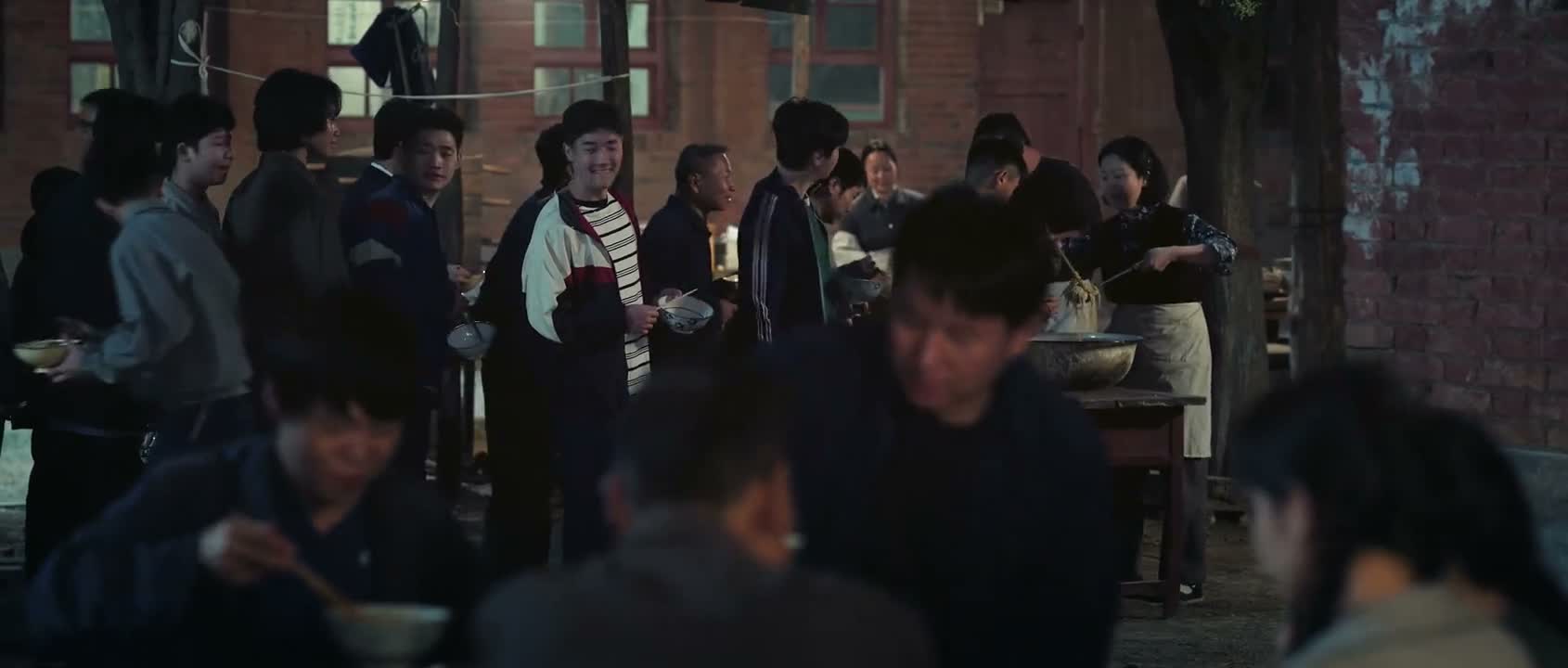
“you can do the cooking, and we'll go perform on stage.”
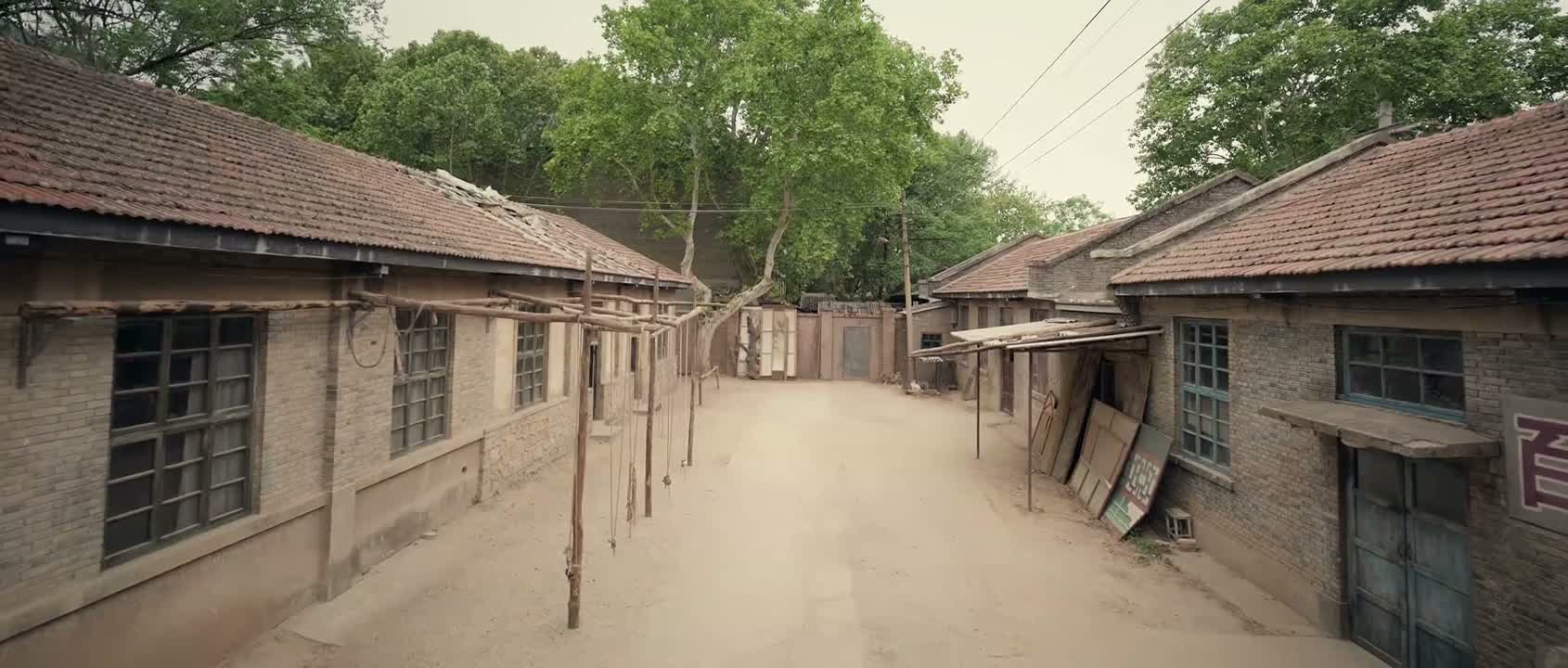
“Making a living in perform opera isn't for just anyone.”
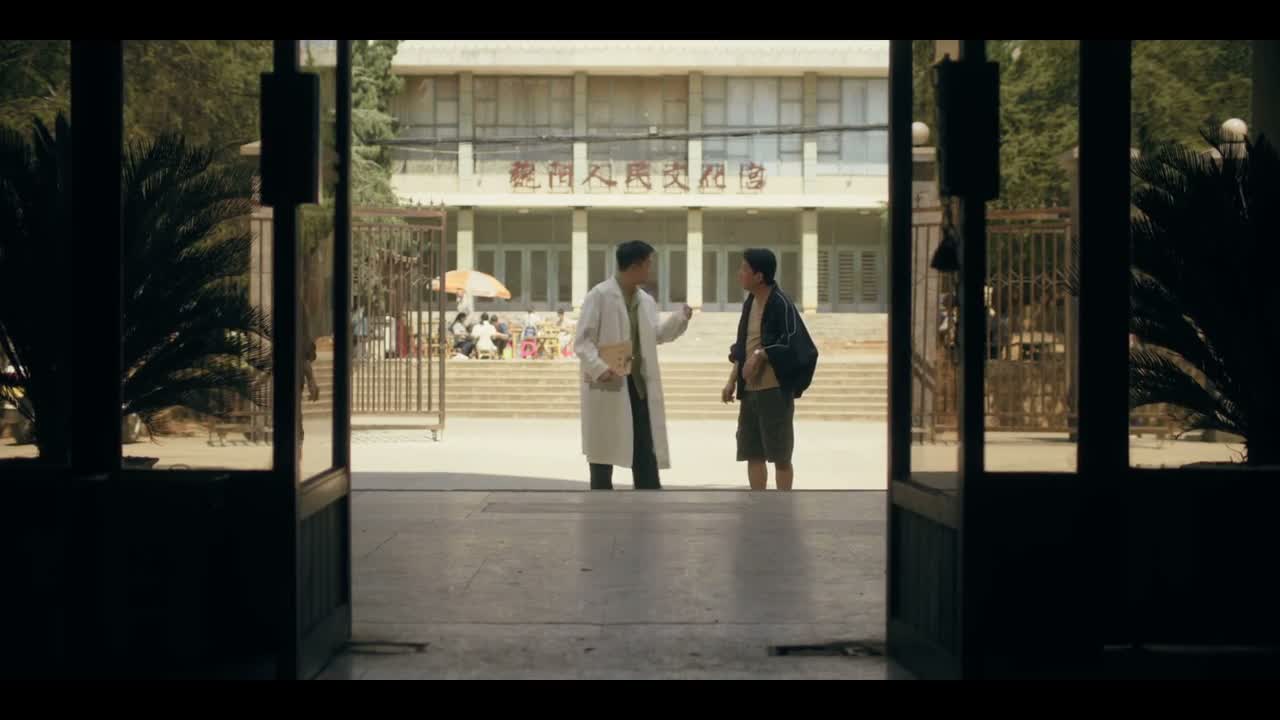
“You owe me a meal. For what?”

“Weren't we supposed to meet at the restaurant?”

“My treat! What treat?”